---
title: "Mexican Spanish for Cafés and Coworking in Roma Norte"
description: "In Roma Norte, ordering un café gets you a question back. Here's how to answer it, ask about Mexican origins, and work from a café without annoying anyone."
type: "article"
category: "going_out"
url: "https://consalsa.app/blog/cafes-coworking-roma-norte-spanish"
canonical: "https://consalsa.app/blog/cafes-coworking-roma-norte-spanish"
published: "2026-06-10"
updated: "2026-08-20"
author: "Andrey the Nomad"
site: "ConSalsa.App"
license: "https://consalsa.app/about"
---

# Mexican Spanish for Cafés and Coworking in Roma Norte
URL: https://consalsa.app/blog/cafes-coworking-roma-norte-spanish
Date: 2026-06-10
Updated: 2026-08-20
Category: going_out
Keywords: cafe coworking spanish mexico, roma norte spanish, mexican spanish cafe phrases, cafe de olla meaning, remote worker spanish mexico, cafe de filtro espresso spanish
Summary: In Roma Norte, ordering un café gets you a question back. Here's how to answer it, ask about Mexican origins, and work from a café without annoying anyone.

Quick answer:
- In a specialty café, un café is not a complete order - expect to be asked ¿de filtro o espresso?, ¿qué origen? and ¿para aquí o para llevar?
- The beans are usually Mexican. Chiapas, Veracruz, Puebla and Oaxaca lead national production, so ¿qué origen tienen hoy? is a real question with a real answer.
- Café de olla is the traditional counterpart: clay pot, piloncillo, cinnamon. Many Roma cafés serve both.
- For working: ask before you take a table or an outlet, order again every couple of hours, and take calls outside.

What you'll learn:
- The three questions a barista will ask you, and how to answer each one.
- How to ask about Mexican coffee origins without sounding like you're auditioning.
- What café de olla is and how to order it properly.
- Café-as-office etiquette, and the phrase that checks whether laptops are welcome.

Don't sound gringo:
Don't answer ¿de filtro o espresso? with sí. Pick one - filtro if you want to taste the origin, espresso if you want it fast - and if you're stuck, un americano is always a safe answer.

Body:

Most café phrasebooks teach you <mark lang="es-MX">¿tienen wifi?</mark>, which in Roma Norte in 2026 is a bit like asking whether they have chairs.

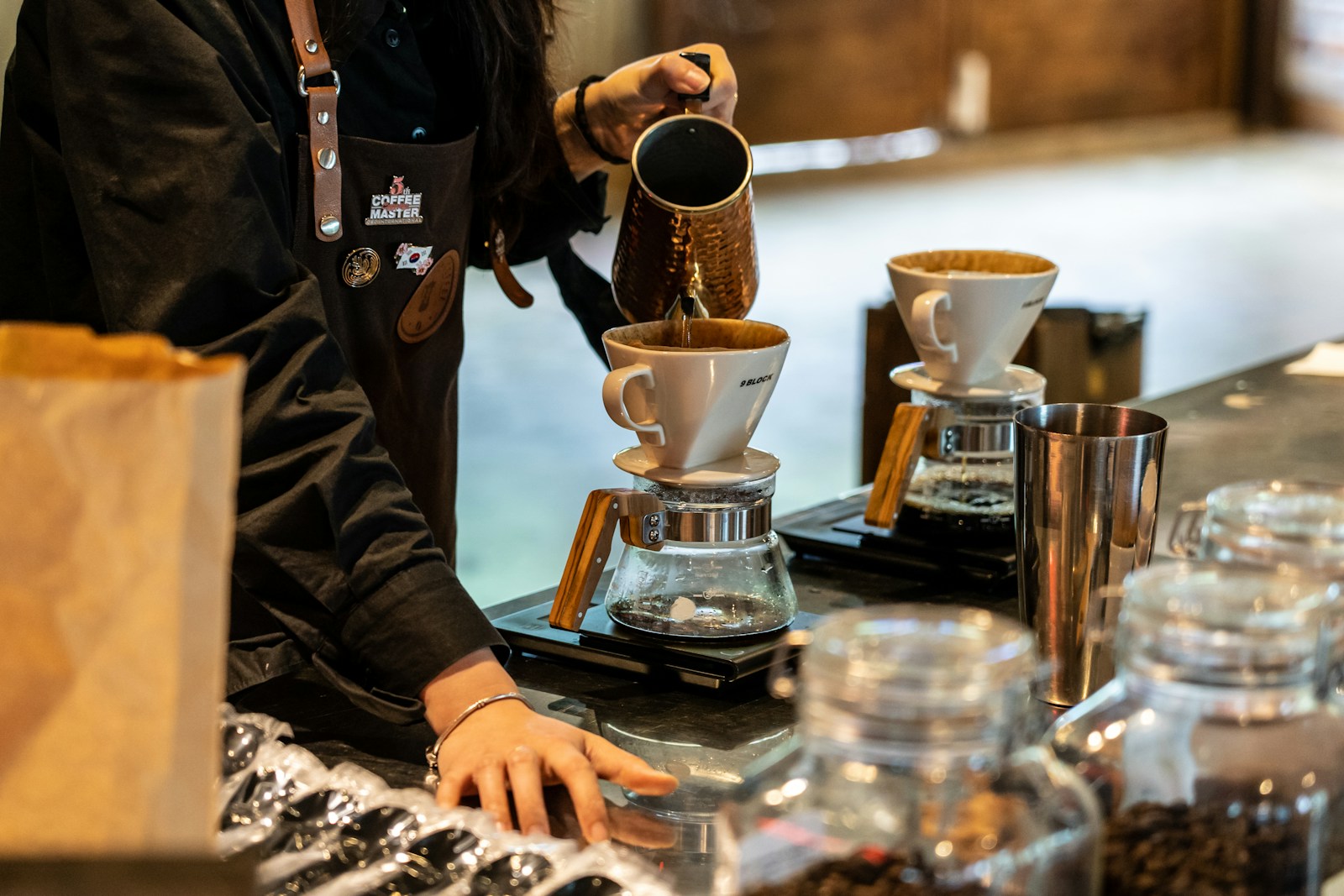
The thing that actually catches people out is smaller and happens faster: **you say <mark lang="es-MX">un café, por favor</mark> and the barista asks you a question back.**

## The three questions, and how to answer them

In a fonda or a corner shop, <mark lang="es-MX">un café</mark> is a complete order. In a specialty café - and Roma Norte is full of them, covering every mood from working to reading to clearing your head[^cdmxsecreta-roma-cafes] - it's the opening of a short exchange:

| They ask | What they mean | You say |
|---|---|---|
| ¿De filtro o espresso? | brewing method | De filtro / un espresso / un americano |
| ¿Qué origen prefieres? | which bean | El de Chiapas, porfa |
| ¿Para tomar aquí o para llevar? | here or to go | Para aquí / para llevar |

None of it is a test. It's the same exchange you'd get in Melbourne or Copenhagen, just faster than you were expecting in a second language.

The shortcut is to answer all three before they're asked:

<ul class="examples">
  <li class="example">
    <div class="es" lang="es-MX">Uno de filtro para tomar aquí, por favor.</div>
    <div class="en" lang="en">One filter coffee for here, please.</div>
  </li>
</ul>

And if you freeze: <mark lang="es-MX">un americano, por favor</mark> is never wrong and never questioned. Keep it in your pocket.

<div class="do-dont">
  <div class="dd-col dd-do">
    <p class="dd-title">Lands as normal</p>
    <ul>
      <li><b lang="es-MX">Uno de filtro para tomar aquí, por favor.</b></li>
      <li><b lang="es-MX">Un americano, por favor.</b> — the safe default</li>
      <li><b lang="es-MX">¿Qué origen tienen hoy?</b> — opens a real conversation</li>
      <li><b lang="es-MX">¿Cuál me recomiendas?</b> — always a good move</li>
    </ul>
  </div>
  <div class="dd-col dd-dont">
    <p class="dd-title">Creates a pause</p>
    <ul>
      <li>Answering <b lang="es-MX">¿de filtro o espresso?</b> with <b lang="es-MX">sí</b></li>
      <li><b lang="es-MX">El más fuerte que tengan.</b> — means very little here</li>
      <li>Ordering by a chain's cup sizes</li>
      <li><b lang="es-MX">¿Tienen wifi?</b> as your opening line</li>
    </ul>
  </div>
</div>

<figure>
  <img src="/images/blog/roma-cafe-1.jpg" alt="A barista pouring water over a filter coffee." loading="lazy" />
  <figcaption>The exchange takes fifteen seconds. It only feels fast because you weren't expecting a follow-up question. Photo by <a href="https://unsplash.com/photos/XiyR0BXRIsI" target="_blank" rel="noopener noreferrer">Choi sungwoo on Unsplash</a>.</figcaption>
</figure>

## The coffee is Mexican, which makes the origin question a real one

This is the part worth knowing, because it turns a transaction into a conversation.

Mexico is a serious coffee-growing country. **Chiapas, Veracruz, Puebla and Oaxaca** account for the overwhelming majority of national production, with Chiapas alone well ahead of the rest, and almost all of it arabica grown at altitude in the south.[^infoagro-cafe][^cortado-regiones]

So when a Roma Norte café lists origins on a chalkboard, those are usually **Mexican towns and regions** - not a global tasting menu. Asking about them is genuinely interesting and it's the single easiest way to get a barista talking to you in Spanish:

<ul class="examples">
  <li class="example">
    <div class="es" lang="es-MX">¿Qué origen tienen hoy?</div>
    <div class="en" lang="en">What origins do you have today?</div>
  </li>
  <li class="example">
    <div class="es" lang="es-MX">¿Cuál me recomiendas, el de Chiapas o el de Veracruz?</div>
    <div class="en" lang="en">Which do you recommend, the Chiapas or the Veracruz?</div>
  </li>
</ul>

Order it <mark lang="es-MX">de filtro</mark> if you actually want to taste the difference. Milk drinks are lovely and they flatten the origin almost completely.

<div id="midpost-newsletter-slot"></div>

## Café de olla, the other tradition

Alongside the espresso machine, most menus in Roma will have <mark lang="es-MX">café de olla</mark> - and it belongs to a completely different lineage.

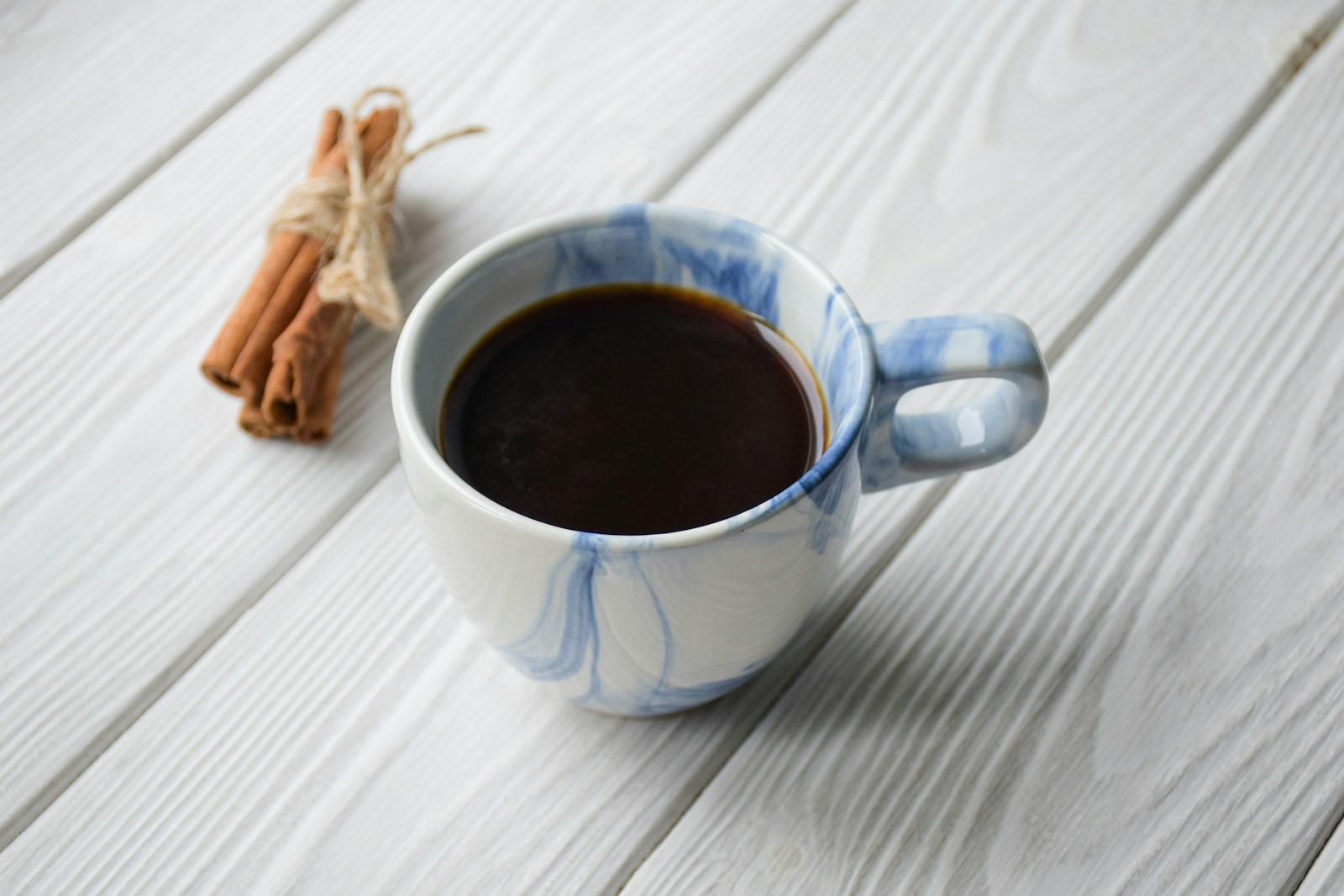
It's coffee brewed in a clay pot with <mark lang="es-MX">piloncillo</mark>, unrefined cane sugar, and <mark lang="es-MX">canela</mark>, cinnamon, then served in a small clay <mark lang="es-MX">jarrito</mark>. The clay is not decoration - it's part of the flavour and it keeps the drink hot.

The origin story you'll hear is that it came out of the Mexican Revolution, with <mark lang="es-MX">adelitas</mark> brewing it in clay pots over campfires for the troops. It's told everywhere, and it's worth saying plainly that Mexican outlets themselves report it with a *se dice* - it's a widely repeated account rather than a documented one.[^mexdesconocido-olla][^elfinanciero-olla] What isn't in doubt is that it's a deeply established part of Mexican food culture, sold in fondas, street stalls and homes long before anyone in Roma put it on a printed menu.

<ul class="examples">
  <li class="example">
    <div class="es" lang="es-MX">¿Tienen café de olla?</div>
    <div class="en" lang="en">Do you have café de olla?</div>
  </li>
  <li class="example">
    <div class="es" lang="es-MX">Uno de olla, por favor. ¿Viene dulce?</div>
    <div class="en" lang="en">One café de olla, please. Does it come sweetened?</div>
  </li>
</ul>

That second question is a fair one - it's made with piloncillo, so it arrives sweet by default, and it surprises people expecting to add their own sugar.

<figure>
  <img src="/images/blog/roma-cafe-2.jpg" alt="A cup of coffee beside cinnamon sticks on a wooden surface." loading="lazy" />
  <figcaption>Cinnamon and piloncillo are what make it café de olla - and it arrives sweet, which is the recipe, not a mistake. Photo by <a href="https://unsplash.com/photos/Tu2i2bvu4DE" target="_blank" rel="noopener noreferrer">Catia Climovich on Unsplash</a>.</figcaption>
</figure>

## Working from a café without becoming the problem

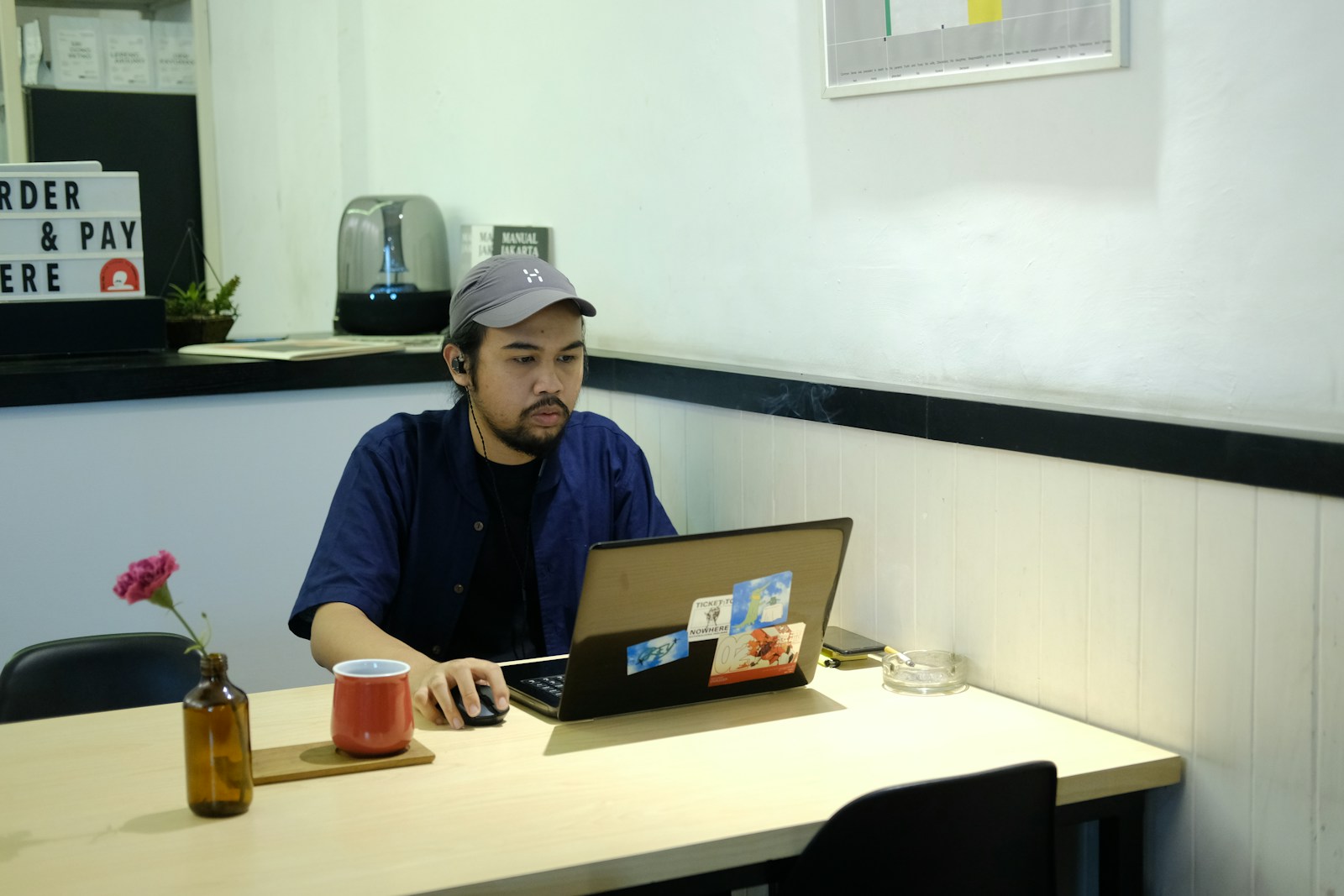
Roma Norte is full of people working from cafés, and the etiquette is unwritten but real. The whole of it fits in one rule: **order first, ask second, and keep your footprint small.**

<ol class="ladder">
  <li>
    <div class="rung-card">
      <span class="rung-label">before anything</span>
      <span class="rung-es" lang="es-MX">Un americano, por favor. ¿Me puedo sentar aquí?</span>
      <span class="rung-en" lang="en">An americano, please. Can I sit here?</span>
      <span class="rung-note">Buy something before the laptop comes out. This is the single most noticed thing, in either direction.</span>
    </div>
  </li>
  <li>
    <div class="rung-card">
      <span class="rung-label">the question people skip</span>
      <span class="rung-es" lang="es-MX">¿Se puede trabajar con laptop?</span>
      <span class="rung-en" lang="en">Is it okay to work on a laptop?</span>
      <span class="rung-note">Some places restrict laptops at peak hours or on weekends. Asking takes two seconds and saves an awkward tap on the shoulder.</span>
    </div>
  </li>
  <li>
    <div class="rung-card">
      <span class="rung-label">power</span>
      <span class="rung-es" lang="es-MX">¿Hay enchufe cerca? ¿Puedo usar éste?</span>
      <span class="rung-en" lang="en">Is there an outlet nearby? Can I use this one?</span>
      <span class="rung-note"><i lang="es-MX">Contacto</i> works too. Never unplug something that's already plugged in - it will be someone's.</span>
    </div>
  </li>
  <li>
    <div class="rung-card">
      <span class="rung-label">earning the table</span>
      <span class="rung-es" lang="es-MX">¿Me das otro, por favor?</span>
      <span class="rung-en" lang="en">Can I get another one, please?</span>
      <span class="rung-note">Every couple of hours. One coffee does not rent a table for a working day, and everyone knows it.</span>
    </div>
  </li>
  <li>
    <div class="rung-card">
      <span class="rung-label">calls</span>
      <span class="rung-es" lang="es-MX">Ahorita vuelvo, ¿me guardas el lugar?</span>
      <span class="rung-en" lang="en">Back in a minute - could you save my spot?</span>
      <span class="rung-note">Take the call outside. A video call on speaker in a small café is the fastest way to become a story people tell.</span>
    </div>
  </li>
</ol>

<div class="note-card is-tip">
  <span class="note-label">Paying and tipping</span>
  <p>At counter service you usually pay when you order, so there's no <b lang="es-MX">cuenta</b> to ask for later. There's normally a tip jar - rounding up or leaving change is normal and appreciated.</p>
  <p>With table service, ask for <b lang="es-MX">la cuenta</b> and tip like a restaurant, around ten to fifteen percent.</p>
</div>

<figure>
  <img src="/images/blog/roma-cafe-3.jpg" alt="A person working on a laptop at a café table." loading="lazy" />
  <figcaption>One coffee doesn't rent a table all day. Ordering again every couple of hours is the whole social contract. Photo by <a href="https://unsplash.com/photos/Y5C2C3fU8yM" target="_blank" rel="noopener noreferrer">Syauqy Ayyash on Unsplash</a>.</figcaption>
</figure>

Roma spent decades as a half-empty neighborhood after the 1985 earthquake before becoming the walkable, café-dense place it is now,[^cdmx-roma] and the current version of it runs on a small set of phrases: one order, one question about origin, and one honest check about whether you can sit there with a laptop for three hours. Get those right and the neighborhood is about as easy to live in as anywhere on earth.

[^infoagro-cafe]: [Producción de café en el mundo y en México](https://mexico.infoagro.com/produccion-de-cafe-en-el-mundo-y-en-mexico-2/) — InfoAgro México, citing Sader / SIAP
[^cortado-regiones]: [Regiones cafetaleras de México: Chiapas, Veracruz y Oaxaca](https://cortadoconhielo.com/cafe-de-origen/regiones-cafetaleras-mexico/) — Cortado con Hielo
[^mexdesconocido-olla]: [El café de olla, una tradición surgida durante la Revolución Mexicana](https://www.mexicodesconocido.com.mx/el-cafe-de-olla-una-tradicion-surgida-durante-la-revolucion-mexicana.html) — México Desconocido
[^elfinanciero-olla]: [¿Cuál es el origen del café de olla?](https://www.elfinanciero.com.mx/food-and-drink/2021/10/06/como-surge-el-cafe-de-olla/) — El Financiero
[^cdmx-roma]: [Cuando la Roma y la Condesa eran colonias feas](https://www.eluniversal.com.mx/colaboracion/mochilazo-en-el-tiempo/nacion/sociedad/cuando-la-roma-y-la-condesa-eran-colonias-feas/) — El Universal
[^cdmxsecreta-roma-cafes]: [Cafeterías en la Roma](https://cdmxsecreta.com/cafeterias-en-la-roma-cdmx/) — CDMX Secreta

FAQ:
Q: How do I order a coffee in Mexico City?
A: Un café, por favor works everywhere, but in a specialty café you'll get follow-up questions. The full version is: un americano para tomar aquí, por favor - drink type, where you're drinking it, done.

Q: What does de filtro mean?
A: Filter coffee - poured over rather than pulled as espresso. It's the method that shows off a single origin, so it's what to pick if you want to actually taste where the beans came from.

Q: What is café de olla?
A: Coffee brewed in a clay pot with piloncillo (unrefined cane sugar) and cinnamon, traditionally served in a small clay mug. It's sweet, spiced, and completely different from anything on the espresso menu.

Q: Where does Mexican coffee come from?
A: Chiapas, Veracruz, Puebla and Oaxaca are the main producing states, with Chiapas by far the largest. Most of it is arabica, grown at altitude in the south of the country.

Q: How do I ask about the coffee's origin?
A: ¿Qué origen tienen hoy? or ¿de dónde es el café? Baristas in Roma Norte generally enjoy this question, and it's the fastest way into a real conversation in Spanish.

Q: Do I still need to ask if there's wifi?
A: Rarely - it's close to universal now. The useful questions are about outlets and whether working is welcome at that hour: ¿hay enchufe cerca? and ¿se puede trabajar con laptop?

Q: How do I ask for an outlet in Spanish?
A: ¿Hay enchufe cerca? or ¿puedo usar este enchufe? Contacto also works in Mexico. Ask before you unplug anything - that's the part people notice.

Q: Is it rude to work all day in a Mexico City café?
A: It depends on the place and the hour. The unwritten rule is to keep ordering, keep your footprint small, and give up the table when it gets busy. Some cafés restrict laptops at peak times, so it's worth asking.

Q: How do I ask for the bill?
A: ¿Me traes la cuenta, por favor? At counter-service places you usually pay when you order, so there's no bill to ask for at all.

Q: Should I tip in a café in Mexico?
A: There's usually a tip jar at the counter, and rounding up or leaving loose change is normal. For table service, the same ten to fifteen percent as a restaurant applies.

Sources:
- InfoAgro México, Producción de café en el mundo y en México (datos SIAP / Sader): https://mexico.infoagro.com/produccion-de-cafe-en-el-mundo-y-en-mexico-2/
- México Desconocido, El café de olla, una tradición surgida durante la Revolución Mexicana: https://www.mexicodesconocido.com.mx/el-cafe-de-olla-una-tradicion-surgida-durante-la-revolucion-mexicana.html
- El Financiero, ¿Cuál es el origen del café de olla?: https://www.elfinanciero.com.mx/food-and-drink/2021/10/06/como-surge-el-cafe-de-olla/
- Cortado con Hielo, Regiones cafetaleras de México: Chiapas, Veracruz y Oaxaca: https://cortadoconhielo.com/cafe-de-origen/regiones-cafetaleras-mexico/
- El Universal, Cuando la Roma y la Condesa eran colonias feas: https://www.eluniversal.com.mx/colaboracion/mochilazo-en-el-tiempo/nacion/sociedad/cuando-la-roma-y-la-condesa-eran-colonias-feas/
- CDMX Secreta, cafeterías en la Roma: https://cdmxsecreta.com/cafeterias-en-la-roma-cdmx/

Related words: chamba, lana, mande, sale