---
title: "The CDMX Uber Pickup Spanish Guide: Gates, Corners, and Confusion"
description: "Learn practical Mexican Spanish for Uber pickups in Mexico City: estoy afuera, en la esquina, frente a, del lado de, portón, and pin errors."
type: "article"
category: "getting_around"
url: "https://consalsa.app/blog/cdmx-uber-pickup-spanish"
canonical: "https://consalsa.app/blog/cdmx-uber-pickup-spanish"
published: "2026-05-29"
updated: "2026-05-29"
author: "Andrey the Nomad"
site: "ConSalsa.App"
license: "https://consalsa.app/about"
---
# The CDMX Uber Pickup Spanish Guide: Gates, Corners, and Confusion
URL: https://consalsa.app/blog/cdmx-uber-pickup-spanish
Date: 2026-05-29
Updated: 2026-05-29
Category: getting_around
Keywords: cdmx uber spanish, mexico city uber phrases, spanish for uber pickup mexico, mexican spanish ride app, cdmx travel spanish
Summary: Learn practical Mexican Spanish for Uber pickups in Mexico City: estoy afuera, en la esquina, frente a, del lado de, portón, and pin errors.
Quick answer:
- For ride-app pickups in CDMX, the most useful phrases are estoy afuera, estoy en la esquina, estoy frente a, del lado de, and traigo chamarra roja.
- Drivers need landmarks more than essays. Say the corner, side of the street, gate, color of your clothes, or business you are standing in front of.
- If the pin is wrong, say creo que el pin salió mal and send a clearer landmark.
- Keep safety simple: confirm the plate, name, and car before getting in, especially at night.
What you'll learn:
- How to describe exactly where you are without turning the pickup into a speech.
- What to text when the app pin is wrong or the driver is on the other side.
- How to use corner, gate, entrance, and landmark phrases in CDMX.
- How to keep pickup messages short, polite, visible, and safer.
Don't sound gringo:
Don't write soy aquí. In pickup Spanish, you are not 'being here'; you are located here: estoy en la esquina, estoy afuera, estoy frente al Oxxo.
Body:
For Uber pickups in CDMX, the best Spanish is specific: estoy en la esquina, estoy frente a, estoy del otro lado, traigo chamarra negra. The driver does not need your whole journey. They need to find your body in traffic.
This is the Spanish you need when the pin is wrong, the building has three entrances, and your driver calls while you are pretending not to panic.
## The pickup phrase map
Start with these. Pickup Spanish should be short.
| What you need to say | Spanish |
|---|---|
| I am outside | Estoy afuera |
| I am at the entrance | Estoy en la entrada |
| I am on the corner | Estoy en la esquina |
| I am in front of... | Estoy frente a... |
| I am next to... | Estoy junto a... |
| I am on the side of... | Estoy del lado de... |
| I have a red jacket | Traigo chamarra roja |
| I am crossing | Estoy cruzando |
| I am walking over | Voy para allá |
The best pickup messages have three pieces:
- where you are
- what landmark is near you
- one detail that makes you visible
Like this:
Estoy en la esquina, frente al OXXO. Traigo chamarra negra.
I am on the corner, in front of the OXXO. I have a black jacket.
That sentence is doing real work. A corner, a landmark, and a visible detail are better than a long apology.
## Do not describe the whole city
When you panic, you may want to explain everything: the entrance, the wrong pin, the tree, the side street, the guard, the emotional weather.
Please do not do this to yourself.
Use one clean phrase:
| Too much | Better |
|---|---|
| I am between several possible entrances | Estoy en la entrada principal |
| The GPS placed me incorrectly | Creo que el pin salió mal |
| I am near the place where cars enter | Estoy junto al portón |
| I am across from the pharmacy | Estoy frente a la farmacia |
| I am not on that side | Estoy del otro lado |
**Portón** is useful in CDMX apartment life. It means a large gate or doorway.[^rae-porton] If you are outside a building, this word may save five minutes.
## If the pin is wrong
The pin will be wrong. Not always. But enough that your Spanish should be ready.
Use:
Creo que el pin salió mal.
I think the pin came out wrong.
Estoy del otro lado de la calle.
I am on the other side of the street.
Estoy frente a la farmacia, no frente al banco.
I am in front of the pharmacy, not the bank.
The phrase **salió mal** is casual and useful. It means something came out wrong. The pin, the plan, the photo, the haircut. Life has range.
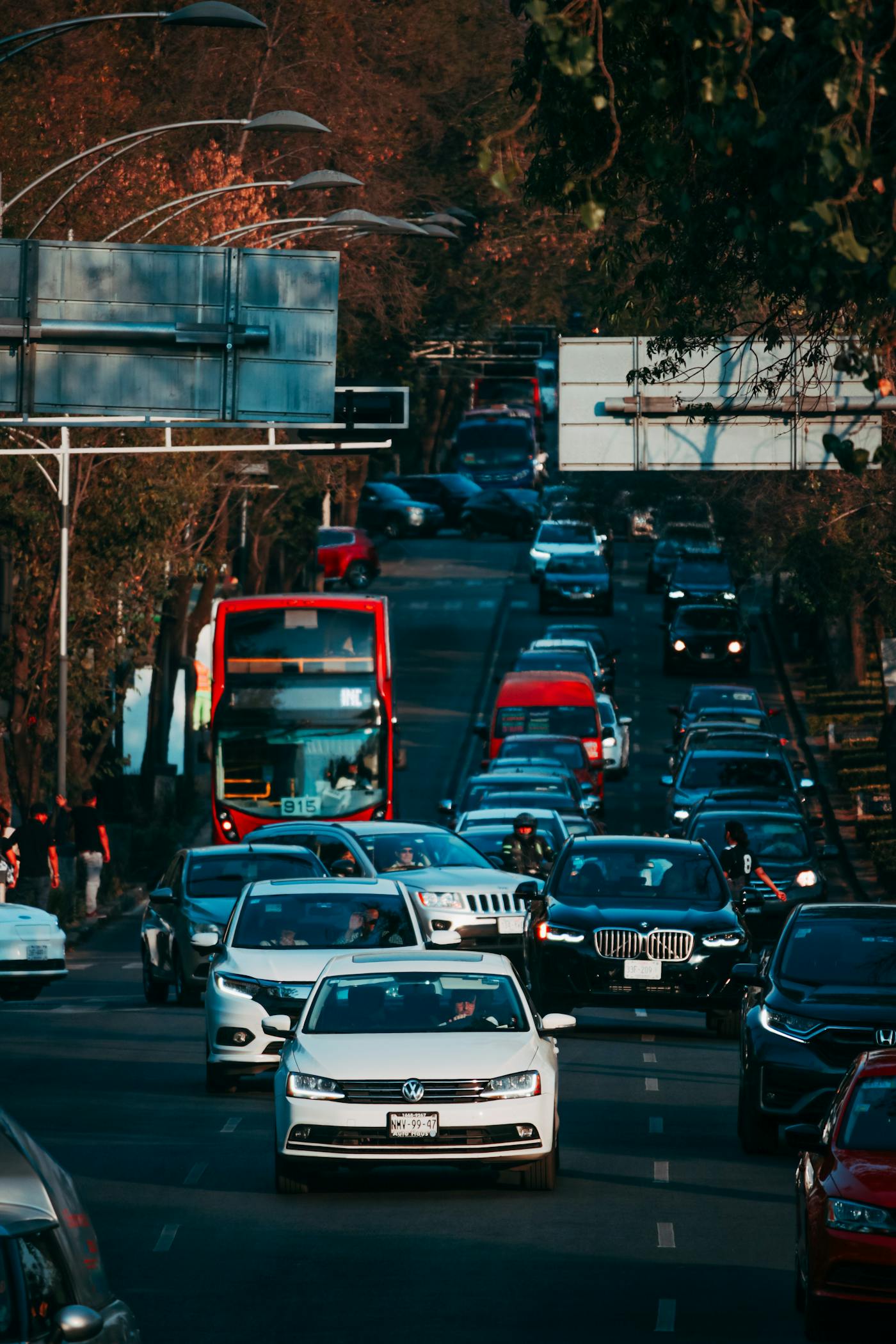
Sometimes the map is technically right and practically useless. Landmarks make you easier to find. Photo from Pexels.
## Corners are better than addresses
In CDMX, addresses can be less useful than corners and landmarks. A calle is a street,[^rae-calle] but a street name is not always enough when the driver is approaching from the wrong side.
Useful patterns:
Estoy en la esquina de Medellín y Durango.
I am on the corner of Medellín and Durango.
Estoy frente al Seven.
I am in front of the 7-Eleven.
Estoy junto a la entrada del edificio.
I am next to the building entrance.
Esquina means corner,[^rae-esquina] and frente a is the little phrase you want for in front of a visible place.[^rae-frente] Pharmacy, OXXO, bank, café, hotel, church, park, gate, entrance: these are your friends.
## When the driver calls
If your driver calls, do not try to sound impressive. Sound findable.
| Driver says | You can say |
|---|---|
| ¿Dónde estás? | Estoy afuera, frente al OXXO |
| No te veo | Traigo chamarra roja |
| ¿De qué lado? | Del lado de la farmacia |
| Voy llegando | Sale, aquí estoy |
| Me pasé | No hay problema, camino a la esquina |
[Sale](/words/sale) is perfect when they confirm they are close. It says: got it, cool, fine.
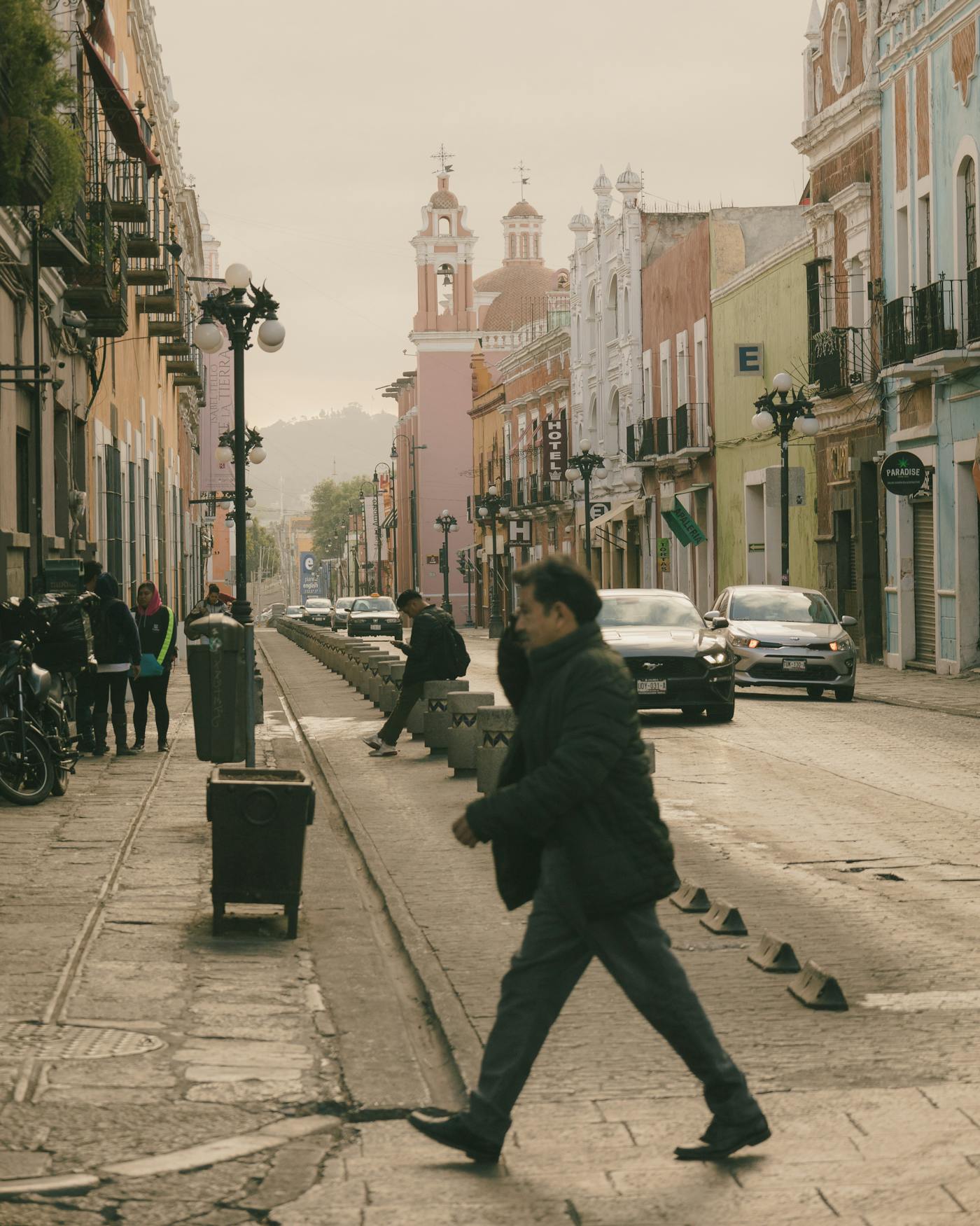
Mexico City pickup Spanish is mostly corners, landmarks, and not taking the GPS personally. Photo from Pexels.
## Safety Spanish, briefly
The language is useful. The safety habit matters more.
Before getting in, check:
- the plate
- the car
- the driver name
- the route in the app
Placa is a common word for a vehicle license plate.[^rae-placa] You can say:
Perdón, voy a revisar la placa.
Sorry, I am going to check the plate.
Normal. Polite. Not dramatic.
## The one message to memorize
If you memorize only one pickup text, make it this:
Estoy en la esquina, frente al OXXO. Traigo chamarra negra.
I am on the corner, in front of the OXXO. I have a black jacket.
Swap the landmark and the clothing. That is the whole system.
You are not trying to win Spanish. You are trying to get into the correct car without turning the sidewalk into a group project.
Learner travel writing about Uber in CDMX points to the same thing: simple ride vocabulary like driver, location, destination, and traffic is where confidence actually starts.[^lingobi-uber]
[^rae-esquina]: [Diccionario de la lengua española, esquina](https://dle.rae.es/esquina) — Real Academia Española
[^rae-calle]: [Diccionario de la lengua española, calle](https://dle.rae.es/calle) — Real Academia Española
[^rae-frente]: [Diccionario de la lengua española, frente](https://dle.rae.es/frente) — Real Academia Española
[^rae-porton]: [Diccionario de la lengua española, portón](https://dle.rae.es/port%C3%B3n) — Real Academia Española
[^rae-placa]: [Diccionario de la lengua española, placa](https://dle.rae.es/placa) — Real Academia Española
[^lingobi-uber]: [Lingobi, Spanish phrases I used taking an Uber in Mexico City](https://www.lingobi.com/blog/spanish-phrases-i-used-taking-an-uber-in-mexico-city) — Lingobi
FAQ:
Q: How do I tell an Uber driver where I am in Spanish in Mexico City?
A: Use short landmark phrases: estoy afuera, estoy en la esquina, estoy frente a la farmacia, or estoy del lado de la entrada principal.
Q: How do you say I am outside in Mexican Spanish?
A: Say estoy afuera. For more detail, say estoy afuera del edificio or estoy afuera de la entrada.
Q: How do you say I am on the corner in Spanish?
A: Say estoy en la esquina. You can add the streets or a landmark: estoy en la esquina, frente al OXXO.
Q: What do I say if the Uber pin is wrong?
A: Say creo que el pin salió mal, estoy frente a... and give a clear landmark.
Q: How do you say license plate in Mexican Spanish?
A: Placa means license plate. You can say voy a revisar la placa before getting in.
Q: What does portón mean in Mexico?
A: Portón means a large gate or doorway, often the car or building gate. It is useful when you are waiting outside apartments or residential buildings.
Q: What should I confirm before getting into a ride-app car?
A: Confirm the license plate, car, and driver name match the app. Share your trip if needed and avoid getting into any car that does not match.
Sources:
- Diccionario de la lengua española, esquina: https://dle.rae.es/esquina
- Diccionario de la lengua española, calle: https://dle.rae.es/calle
- Diccionario de la lengua española, frente: https://dle.rae.es/frente
- Diccionario de la lengua española, portón: https://dle.rae.es/port%C3%B3n
- Diccionario de la lengua española, placa: https://dle.rae.es/placa
- Lingobi, Spanish phrases I used taking an Uber in Mexico City: https://www.lingobi.com/blog/spanish-phrases-i-used-taking-an-uber-in-mexico-city
Related words: sale, aguas, que-onda, no-manches