---
title: "Checo and the Chants: Mexican F1 Fan Spanish for Race Weekend"
description: "Learn Mexican F1 fan Spanish around Checo Pérez: chants, apodos, rebase, podio, carrera, and what to yell without sounding lost."
type: "article"
category: "going_out"
url: "https://consalsa.app/blog/checo-f1-fan-spanish"
canonical: "https://consalsa.app/blog/checo-f1-fan-spanish"
published: "2026-10-28"
updated: "2026-10-28"
author: "Andrey the Nomad"
site: "ConSalsa.App"
license: "https://consalsa.app/terms#ip"
---
# Checo and the Chants: Mexican F1 Fan Spanish for Race Weekend
URL: https://consalsa.app/blog/checo-f1-fan-spanish
Date: 2026-10-28
Updated: 2026-10-28
Category: going_out
Keywords: checo spanish meaning, mexican f1 fan spanish, checo perez chants, formula 1 spanish mexico
Summary: Learn Mexican F1 fan Spanish around Checo Pérez: chants, apodos, rebase, podio, carrera, and what to yell without sounding lost.
Quick answer:
- Checo is Sergio Pérez's widely used nickname, and Mexican F1 fans use it with real affection.
- For 2026, official F1 sources list Pérez with Cadillac, making Checo language current again.
- Useful fan words include carrera, rebase, podio, vuelta, curva, and vamos.
- Keep chants positive unless you know the group; F1 trash talk can turn personal fast.
What you'll learn:
- Why Checo is more than just a short nickname.
- How to use apodo, carrera, podio, rebase, and vuelta in race talk.
- What to chant at the Mexican GP without overdoing it.
- How to talk about Cadillac-era Checo in current Spanish.
Don't sound gringo:
Don't call him 'Sergio' in the middle of a Mexican crowd unless you're reading a press release. In fan Spanish, it's Checo.
Body:
In Mexico, Sergio Pérez is Checo. Not "Mr. Pérez," not usually "Sergio" in the stands, and definitely not "that Mexican driver" if you want anyone around you to keep liking you.
For 2026, the language is current again: Formula 1 lists Sergio Pérez with Cadillac, and his official site presents him as a Cadillac F1 driver.[^cadillac][^checo] That means Mexican GP weekend is still full of Checo Spanish.[^mexico] For the non-chant logistics like gates, food, and baños, pair this with [Mexican GP survival Spanish](/blog/mexican-gp-survival-spanish).
## The fan words
| Spanish | English | When it comes up |
|---|---|---|
| Checo | Sergio Pérez | every chant |
| apodo | nickname | explaining Checo |
| carrera | race | the whole event |
| rebase | overtake | a pass on track |
| podio | podium | hope and heartbreak |
| vuelta | lap | timing and strategy |
Apodo means nickname.[^apodo] Checo is not just a trivia answer; it is the emotional name fans use when the car enters the stadium section.
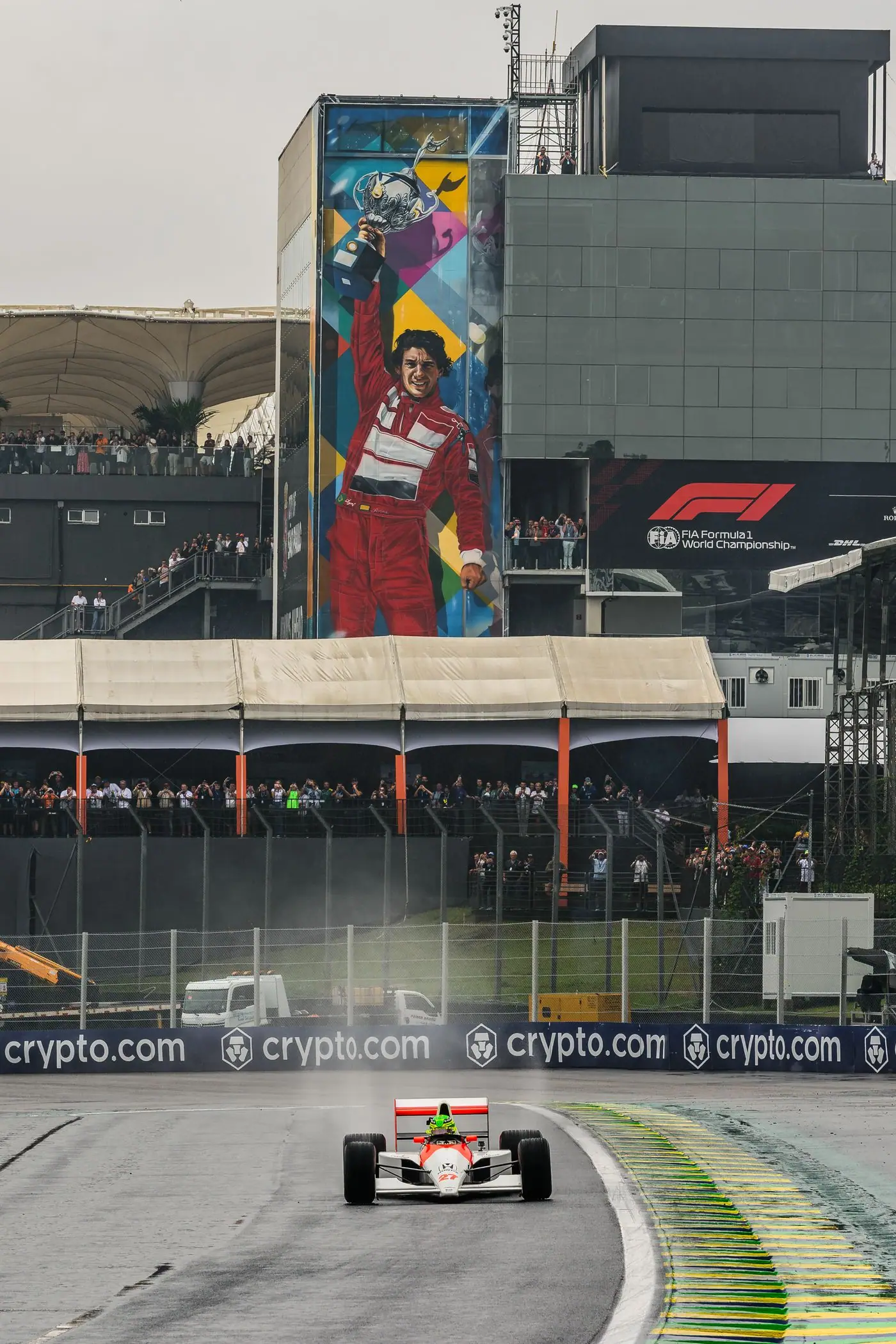
A race-action hero keeps the Checo article about live fan energy, not only biography.
## Why Checo hits different in Mexico
Formula 1 has described Pérez's home-race connection as a national celebration, especially because the Foro Sol stadium section turns crowd noise into a physical thing.[^homecoming] You can hear it in the chant: ¡Checo! ¡Checo! It is short enough to survive engines and emotional enough that everybody knows what it means.
Use vamos when you want to cheer: ¡vamos, Checo! Use sí se puede when hope gets dramatic. Use [no manches](/words/no-manches) when something ridiculous happens and you need one Mexican reaction that covers shock, joy, and disbelief.
¡Vamos, Checo!
Let's go, Checo!
Ojalá suba al podio.
Hopefully he gets on the podium.
Qué rebase tan bueno.
What a great overtake.
## Why Mexican fan Spanish gets affectionate
You may hear people play with nicknames: Chequito or mi Checo when the mood gets affectionate. Do not force those if they do not feel natural. The safest fan name is still Checo.
The point is that Mexican Spanish often softens affection with diminutives. That does not make the race less serious. It makes the fandom sound personal. A driver can be world-class and still be talked about like someone the whole country knows. You hear the same warmth in [Mexican fútbol fan Spanish](/blog/mexican-futbol-fan-spanish), where a whole stadium talks about players like neighbors.
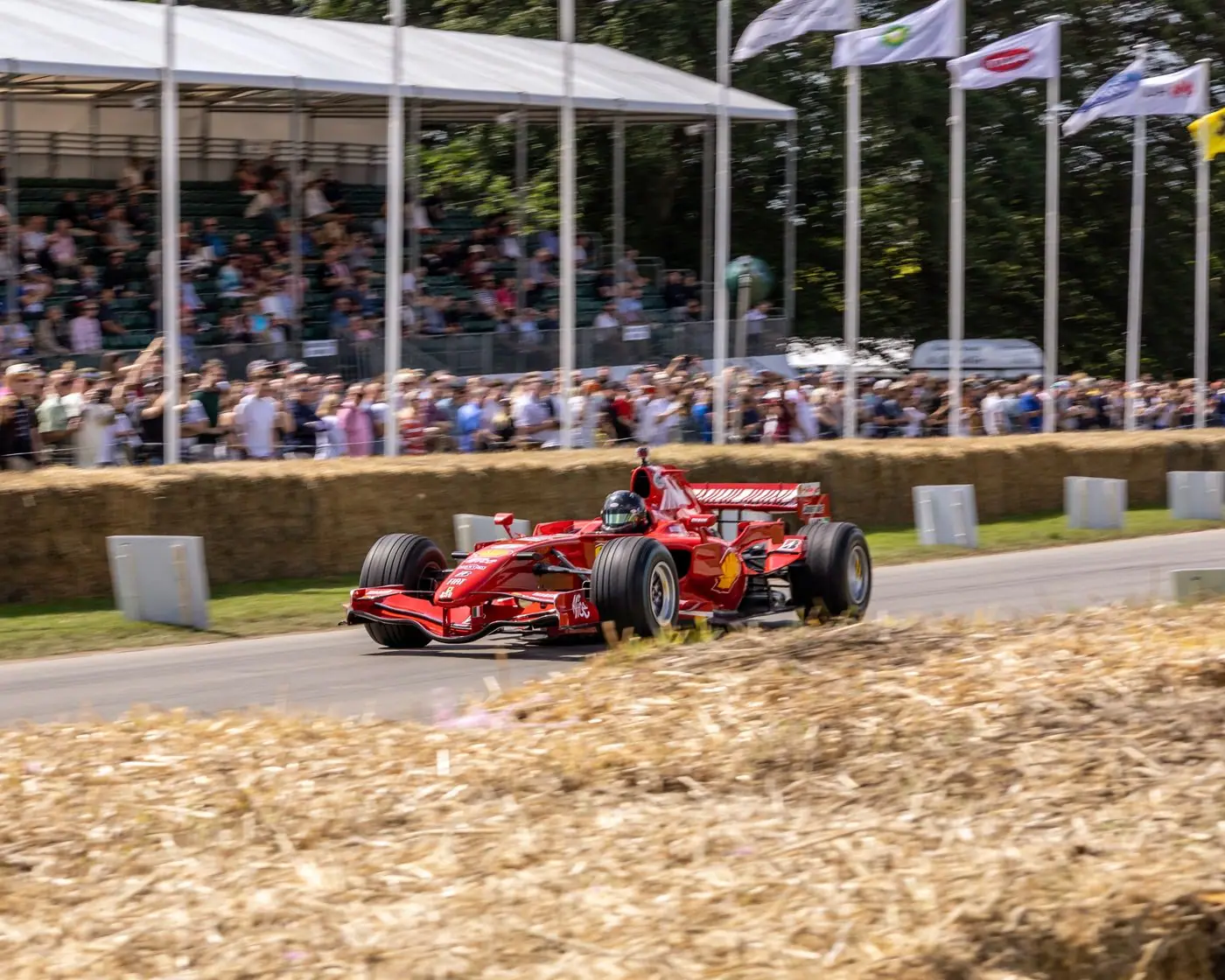
Spectators and speed give the right visual context for chants and rebase language.
## What not to yell
Do not walk into a Mexican crowd and start trashing Checo to strangers. Even if someone else complains first, match their tone slowly. There is a difference between fan suffering and outsider disrespect.
| Situation | Better line | Why |
|---|---|---|
| He gains a place | ¡Qué rebase! | Specific and excited |
| He is close | Ya merito | Mexican hope language |
| He misses podium | [Ni modo](/words/ni-modo) | Accepts the pain |
| Crowd chants | ¡Vamos, Checo! | Safe and shared |
## Cadillac-era wording
Because Cadillac is now part of the story, you can say Checo está con Cadillac or corre para Cadillac. Keep it simple. In noisy places, nobody needs your full driver-market analysis.
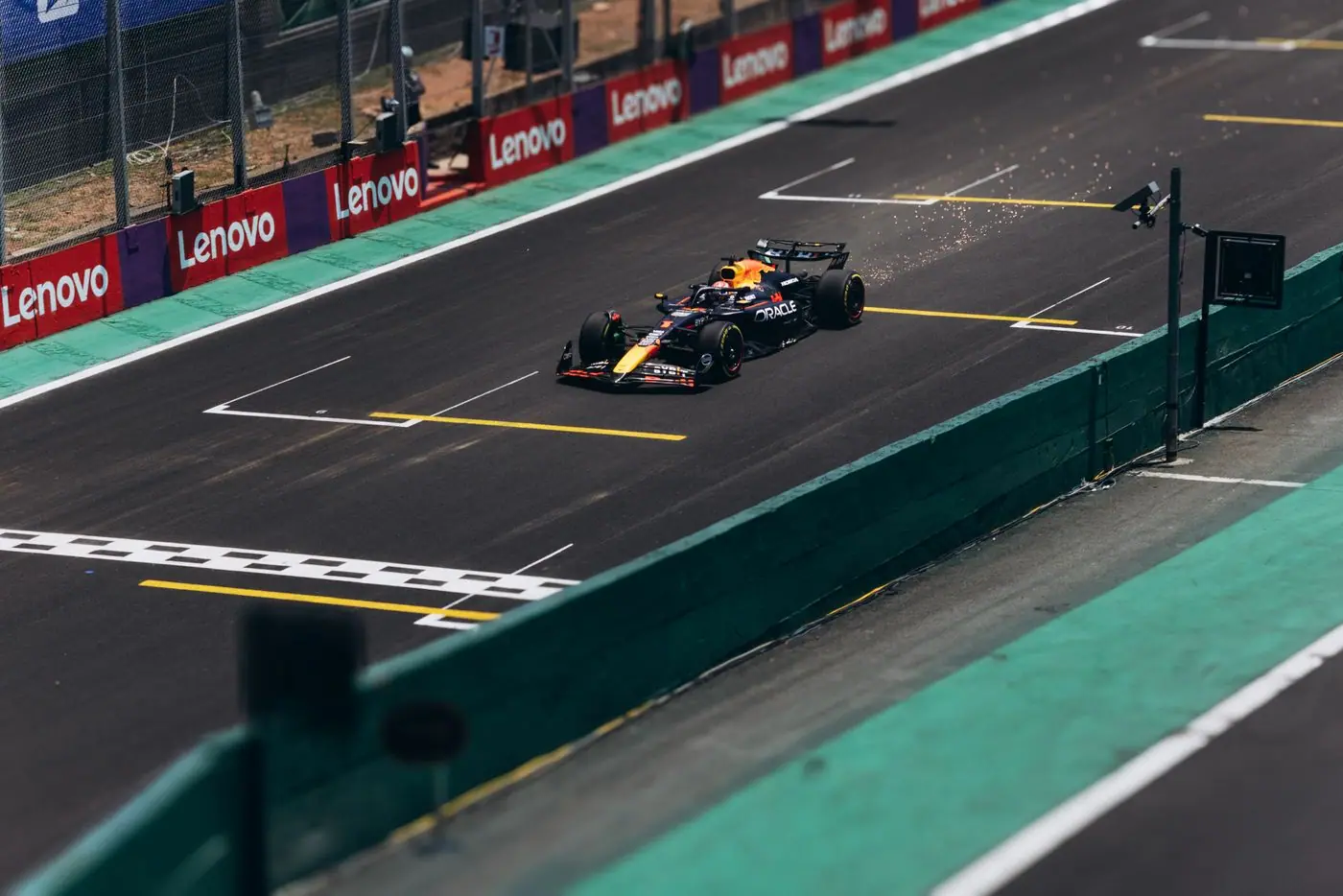
A close race image supports the vocabulary of vueltas, curvas, and podio hopes.
The fan Spanish here is wonderfully small: Checo, vamos, rebase, podio, no manches. Say those at the right time and you will sound like you are watching the race with people, not narrating over them.
## How to talk about hope without sounding fake
Mexican fans are very good at hope with a defensive layer. You will hear ojalá, ya merito, a ver si ahora sí, and no la vayan a regar. That last one means something like "I hope they don't mess it up." It sounds negative, but it is often affection wearing a helmet.
If you are new to F1, do not pretend to know tire strategy just to fit in. Ask better questions: ¿va bien Checo?, ¿qué necesita para subir al podio?, or ¿por qué entró a pits? Fans usually love explaining as long as you are not interrupting the crucial lap.
There is also a social rhythm to watching in Mexico. During calm laps, people explain, complain, compare drivers, and pass around the snacks. During a restart, pit stop, or possible overtake, everyone shuts up except for the chant. That is your cue. Use short words, not speeches: va bien, [aguanta](/words/aguanta), no manches, qué nervios. You sound more fluent when you match the moment than when you know every technical term.
## The Cadillac sentence you need
For 2026 conversation, keep it clean: Checo corre con Cadillac. If someone says a ver cómo le va, that means "we'll see how it goes," and it is the perfect Mexican blend of hope and emotional self-protection. Answer with ojalá le vaya bien. That line is safe with serious fans, casual fans, and your friend who only knows F1 from drive-to-survive clips.
[^checo]: [Official website of Sergio Checo Pérez](https://checoperez.com/)
[^cadillac]: [Formula 1, Cadillac team](https://www.formula1.com/en/teams/cadillac)
[^homecoming]: [Formula 1, Checo homecoming feature](https://www.formula1.com/en/latest/article/checos-homecoming-how-sergio-perez-turned-the-mexico-city-gp-into-a-national.26BdnJafQGQ7sAG3oZL6kg)
[^apodo]: [Diccionario de la lengua española, apodo](https://dle.rae.es/apodo)
[^mexico]: [Formula 1, 2026 Mexico City Grand Prix](https://www.formula1.com/en/racing/2026/mexico)
FAQ:
Q: What does Checo mean?
A: Checo is Sergio Pérez's nickname. In Mexico, fans use it affectionately and much more naturally than Sergio in race-day talk.
Q: Is Checo racing in 2026?
A: Official F1 team pages list Sergio Pérez with Cadillac for 2026, and his official site presents him as a Cadillac F1 driver.
Q: What does apodo mean?
A: Apodo means nickname. Checo is an apodo.
Q: What is a rebase in F1 Spanish?
A: A rebase is an overtake or pass. Fans use it when one car gets by another.
Q: How do you say podium in Spanish?
A: Podio. Fans might say ojalá suba al podio, meaning hopefully he gets on the podium.
Q: What can I chant for Checo?
A: ¡Vamos Checo!, ¡Checo, Checo!, or ¡sí se puede! are simple and safe.
Q: Can I joke about other drivers?
A: With friends, yes. With strangers, keep it light and avoid personal insults.
Sources:
- Official website of Sergio Checo Pérez: https://checoperez.com/
- Formula 1, Cadillac team: https://www.formula1.com/en/teams/cadillac
- Formula 1, Checo homecoming feature: https://www.formula1.com/en/latest/article/checos-homecoming-how-sergio-perez-turned-the-mexico-city-gp-into-a-national.26BdnJafQGQ7sAG3oZL6kg
- DLE, apodo: https://dle.rae.es/apodo
- Formula 1, 2026 Mexico City Grand Prix: https://www.formula1.com/en/racing/2026/mexico
Related words: chido, no-manches, orale, sale