---
title: "Key Spanish Words in Coco Before Your Día de Muertos Rewatch"
description: "Learn the key Spanish words in Coco: familia, ofrenda, alebrije, chamaco, zapato, música, recuerdo, and more with Mexican context."
type: "article"
category: "guides"
url: "https://consalsa.app/blog/coco-spanish-words"
canonical: "https://consalsa.app/blog/coco-spanish-words"
published: "2026-10-20"
updated: "2026-10-20"
author: "Andrey the Nomad"
site: "ConSalsa.App"
license: "https://consalsa.app/terms#ip"
---
# Key Spanish Words in Coco Before Your Día de Muertos Rewatch
URL: https://consalsa.app/blog/coco-spanish-words
Date: 2026-10-20
Updated: 2026-10-20
Category: guides
Keywords: coco spanish words, spanish words in coco, coco movie mexican words
Summary: Learn the key Spanish words in Coco: familia, ofrenda, alebrije, chamaco, zapato, música, recuerdo, and more with Mexican context.
Quick answer:
- Coco uses Spanish words that carry Mexican family and Día de Muertos context, not just decoration.
- Key words include familia, ofrenda, alebrije, zapato, música, chamaco, recuerdo, and abuelita.
- Some terms are everyday Spanish; others connect directly to Día de Muertos traditions.
- Use the movie as a doorway, then learn from Mexican sources too.
What you'll learn:
- The most useful Spanish words to listen for in Coco.
- Which words are family words, Día de Muertos words, and music words.
- How to make simple practice sentences from scenes.
- Why Coco is a doorway into Mexican Spanish, not the whole lesson.
Don't sound gringo:
Do not let Disney be your only Mexico teacher. Use Coco as a doorway, then learn how Mexicans use the words outside the movie.
Body:
Coco uses Spanish words that carry Mexican family and Día de Muertos context, not just decoration. Key words include familia, ofrenda, alebrije, zapato, música, chamaco, recuerdo, and abuelita.[^src1]
Coco is a friendly entry point because the story gives you emotion before grammar. That is also the risk: it can feel like you understand Mexican family and Día de Muertos vocabulary after one movie, when really you have just opened the door.
## Coco is a doorway, not the whole house
Start with family words because Coco is a family story before it is a vocabulary list. Familia is family. Abuelita is grandma. Chamaco is kid, and in Mexican Spanish it can sound tender, annoyed, or both depending on who says it.[^src3]
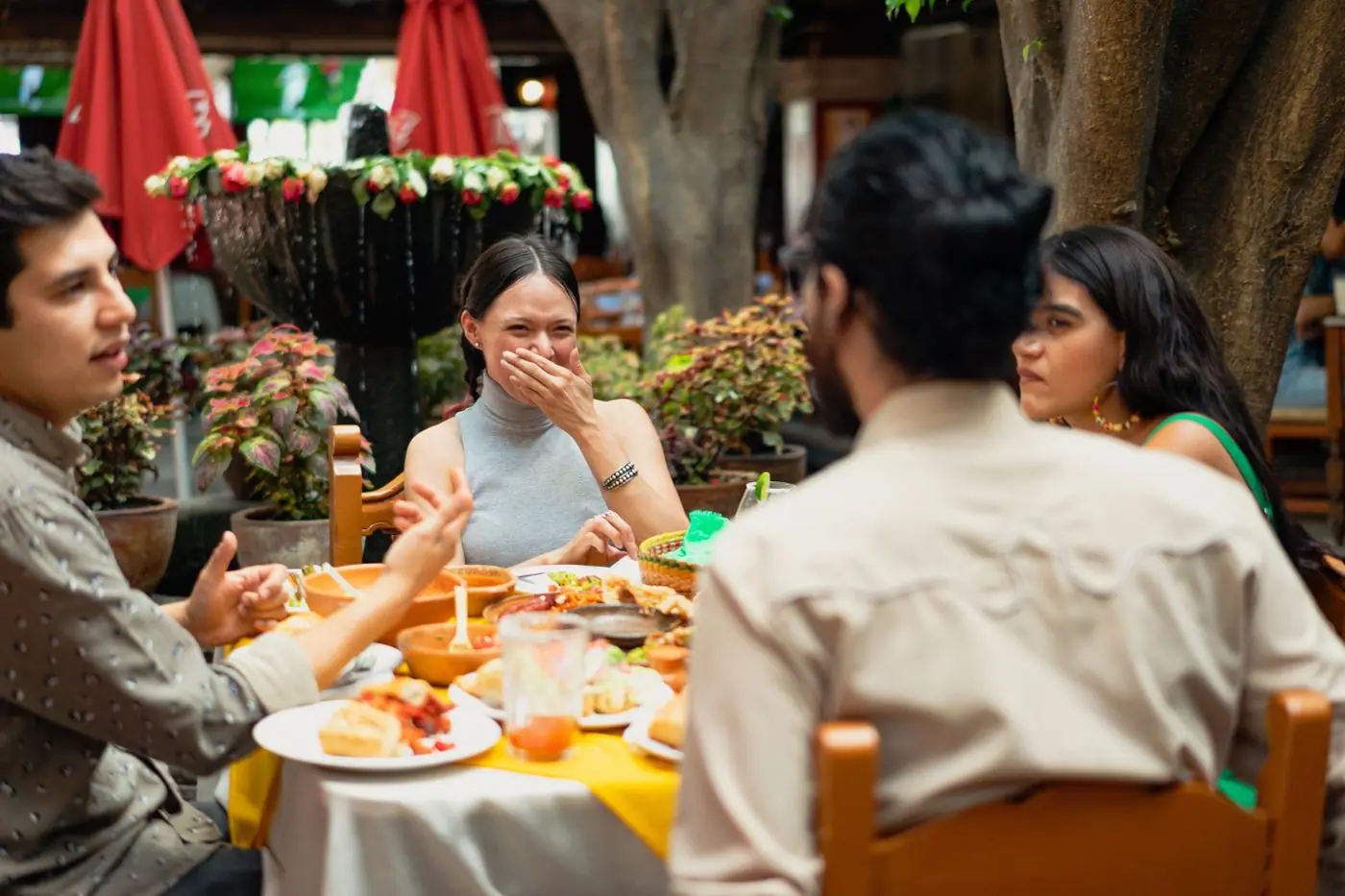
A family movie-night visual fits Coco vocabulary because the learning happens through watching and rewatching.
## Family words: abuelita, chamaco, familia
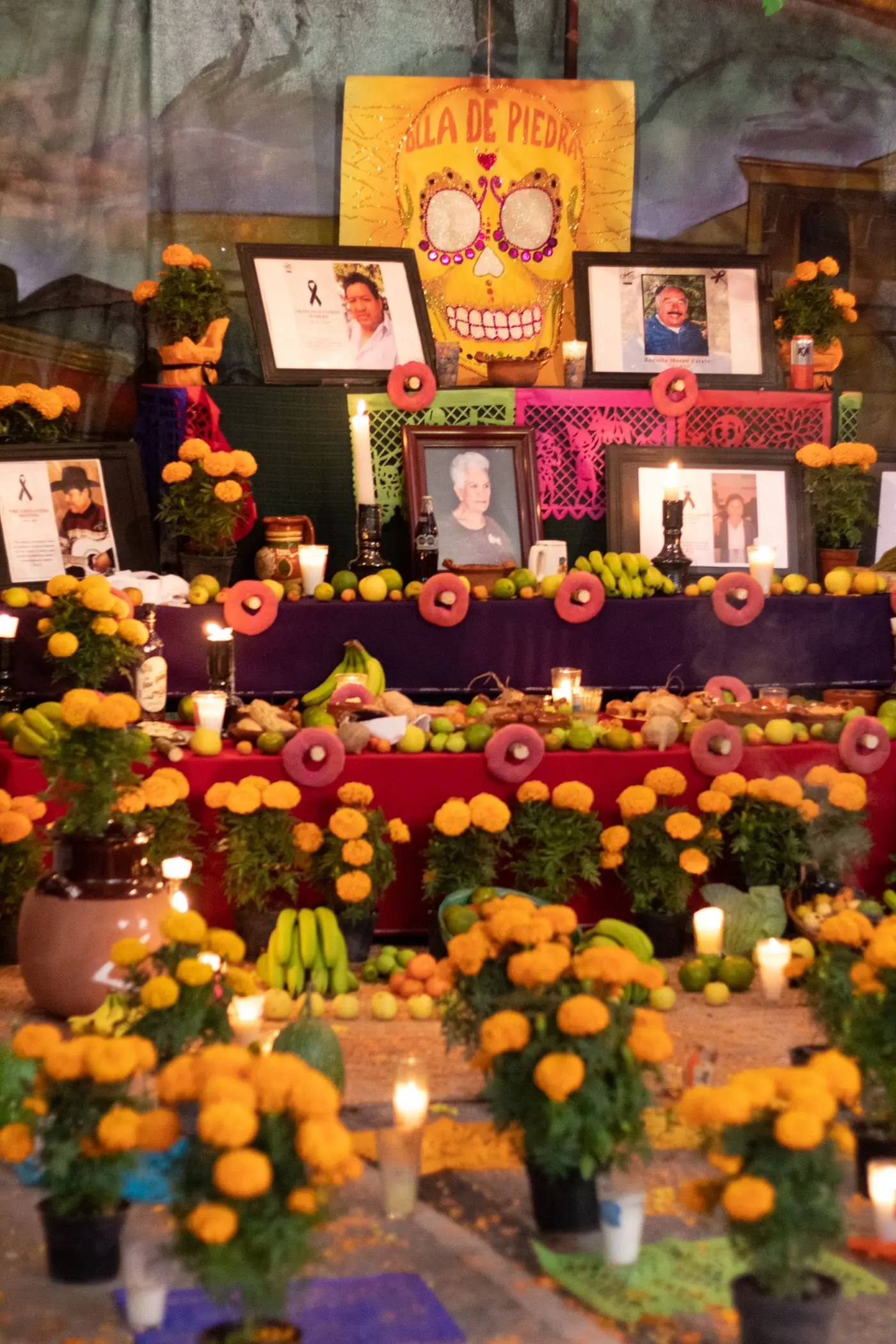
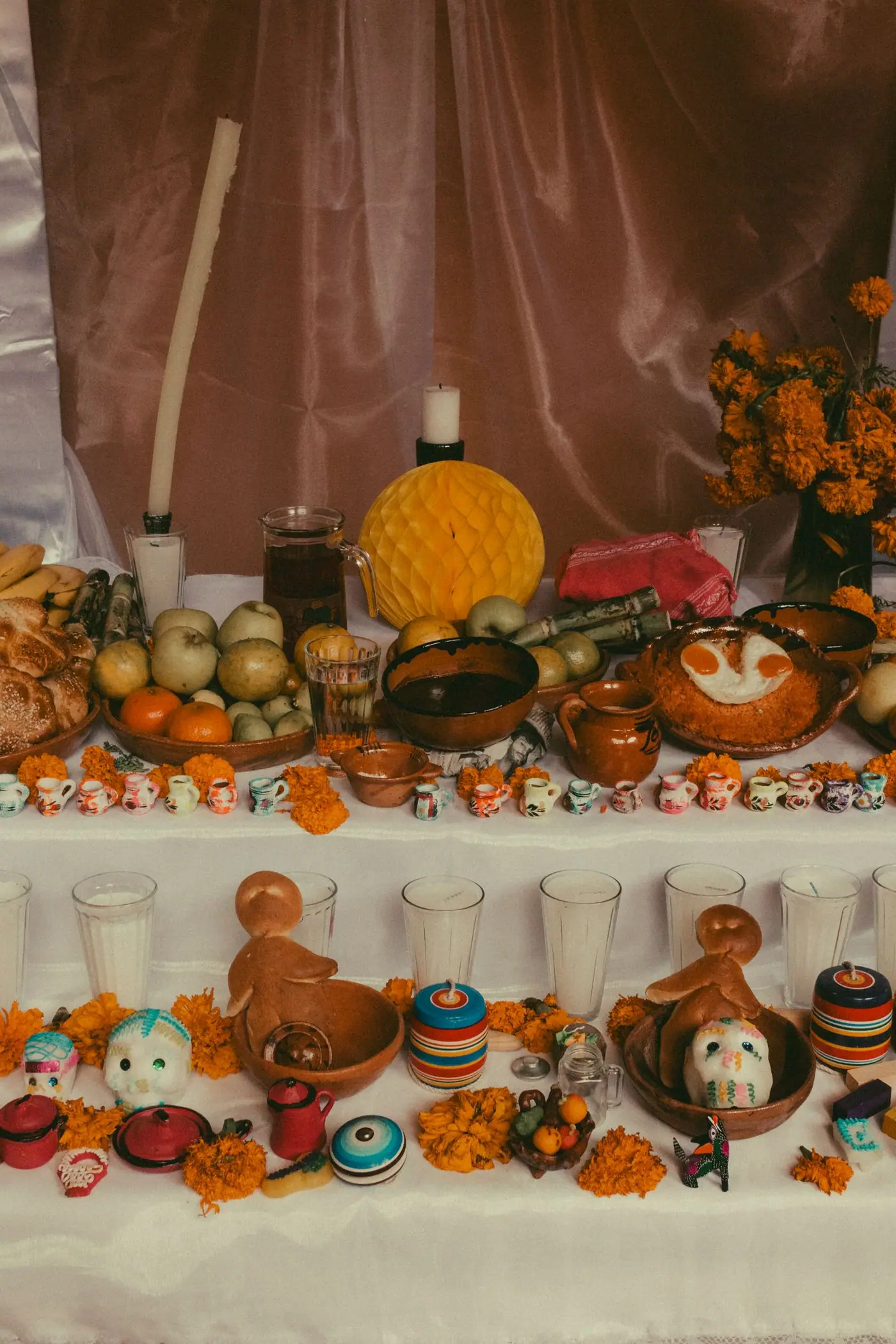
Then listen for Día de Muertos words. Ofrenda means offering, and in this context it often points to [the altar or arrangement for the dead](/blog/day-of-the-dead-altar-objects).[^src4] Recuerdo means memory or keepsake. [Alebrije](/blog/what-is-an-alebrije) points to a colorful folk-art creature, though the film is not the whole history of the word.
## Día de Muertos words: ofrenda, recuerdo, alebrije
Music gives you another lane: música, canción, guitarra, cantar. These are easy to spot because the story keeps returning to performance, family rules, and the dream of playing in public.[^src2]
¿Qué significa?
What does it mean?
¿Cómo lo dicen ustedes?
How do you all say it?
Gracias, así lo digo mejor.
Thanks, now I can say it better.
## Music and work words: zapato, guitarra, canción
Do one rewatch with a mission. Pause after a scene and make a plain sentence: Miguel quiere tocar música, la familia tiene una ofrenda, la abuelita se enoja. Simple sentences are how movie vocabulary becomes usable Spanish.
## How to rewatch with better ears
Watch it once for the story and once for the register. The film moves between formal and familiar constantly, and hearing when it switches teaches more than any of the individual words do.
Music-centered images support the guitar, song, and performance words learners hear in the film.
| Situation | Better move | Why |
|---|---|---|
| You are unsure | ¿Qué significa? | Short and honest |
| You need local usage | ¿Cómo lo dicen ustedes? | Invites lived context |
| You might overstep | Lo digo con respeto | Lowers the temperature |
| Someone corrects you | Gracias, así lo digo mejor | Keeps connection open |
A warm family or memory-focused image keeps the post connected to the story's emotional core.
## A better rewatch plan for language learners
Do not try to catch every word the first time. Pick one lane. On the first rewatch, listen for family words: abuelita, mamá, familia, chamaco. On the second, listen for memory words: recuerdo, ofrenda, foto, olvidar. On the third, listen for music words: guitarra, canción, música, cantar.
This matters because Coco can trick English speakers into thinking they "know" the vocabulary after recognizing a few nouns. Recognition is not the same as use. Try making one small sentence after each scene: Miguel quiere tocar música, la familia tiene una ofrenda, la abuelita se enoja. Simple sentences are not childish; they are how you move from passive watching to active Spanish.
Be careful with alebrije. The movie uses the word in a memorable way, but alebrijes have their own Mexican folk-art history beyond the film.[^src5] If you see one in a market, ask ¿de qué taller es? or ¿está hecho a mano? instead of only saying, "Like Coco!" The movie can open the door; it should not take over the room.
One casual, human phrase that works after watching with Mexican friends is ahora entiendo mejor esa palabra. It sounds small, but it tells people you are connecting language to meaning, not collecting exotic vocabulary. That is the whole ConSalsa.App move.
If you watch with subtitles, use Spanish subtitles for one pass and English subtitles for another. Spanish subtitles help you connect sound to spelling; English subtitles help you confirm story meaning. Switching between the two is not cheating. It is smart practice.
Let Coco make the words memorable, then take those words outside the movie. Use them in simple sentences, ask Mexicans how they use them, and remember that a Pixar rewatch is a doorway into Spanish, not the whole house.
A small pronunciation win: familia has three syllables, música has the written accent, and abuelita often carries a lot of feeling. Say the words with the emotion of the scene, not like flashcards.
[^src1]: [Disney/Pixar, Coco official trailer](https://www.youtube.com/watch?v=Rvr68u6k5sI)
[^src2]: [Disney, Coco official page](https://movies.disney.com/coco)
[^src3]: [Diccionario de la lengua española, familia](https://dle.rae.es/familia)
[^src4]: [Diccionario de la lengua española, ofrenda](https://dle.rae.es/ofrenda)
[^src5]: [Secretaría de Cultura, Día de Muertos](https://www.gob.mx/cultura)
FAQ:
Q: What Spanish words should I listen for in Coco?
A: Start with familia, abuelita, chamaco, ofrenda, recuerdo, alebrije, música, canción, guitarra, and zapato.
Q: What does ofrenda mean?
A: An offering. Around Día de Muertos, it often refers to the altar or arrangement prepared for the dead.
Q: What does chamaco mean?
A: Kid or young boy in Mexican Spanish. It can sound affectionate or scolding depending on tone.
Q: What does alebrije mean?
A: A colorful Mexican folk-art creature. Coco uses the idea memorably, but alebrijes have a history beyond the film.
Q: Should I watch Coco with Spanish subtitles?
A: Yes. Try one pass with Spanish subtitles for spelling and sound, then another with English subtitles for story.
Q: Is Coco enough to understand Día de Muertos?
A: No. It is a warm doorway, but you should also learn from Mexican sources and real people.
Q: How do I practice after watching?
A: Make simple sentences: la familia tiene una ofrenda, Miguel toca guitarra, or la abuelita se enoja.
Sources:
- Disney/Pixar, Coco official trailer: https://www.youtube.com/watch?v=Rvr68u6k5sI
- Disney, Coco official page: https://movies.disney.com/coco
- Diccionario de la lengua española, familia: https://dle.rae.es/familia
- Diccionario de la lengua española, ofrenda: https://dle.rae.es/ofrenda
- Secretaría de Cultura, Día de Muertos: https://www.gob.mx/cultura
Related words: neta, morro, jefa, jefe