---
title: "Día de la Raza: What October 12 Is Called in Mexico Now"
description: "Learn what Día de la Raza means, why October 12 is complicated, and the modern Mexican Spanish around Indigenous resistance and history."
type: "article"
category: "guides"
url: "https://consalsa.app/blog/dia-de-la-raza"
canonical: "https://consalsa.app/blog/dia-de-la-raza"
published: "2026-10-09"
updated: "2026-10-09"
author: "Andrey the Nomad"
site: "ConSalsa.App"
license: "https://consalsa.app/terms#ip"
---
# Día de la Raza: What October 12 Is Called in Mexico Now
URL: https://consalsa.app/blog/dia-de-la-raza
Date: 2026-10-09
Updated: 2026-10-09
Category: guides
Keywords: dia de la raza meaning, october 12 mexico name, dia de la raza mexico, dia de la nacion pluricultural
Summary: Learn what Día de la Raza means, why October 12 is complicated, and the modern Mexican Spanish around Indigenous resistance and history.
Quick answer:
- Día de la Raza is an older October 12 name tied to Spanish arrival in the Americas and the idea of mestizaje.
- Mexico's official framing changed in 2020 toward Día de la Nación Pluricultural.
- Many people also use language of Indigenous resistance, memory, and critique rather than celebration.
- The safest learner move is to ask what people call it locally and avoid U.S. Columbus Day assumptions.
What you'll learn:
- Why Día de la Raza is historically and politically loaded.
- What Día de la Nación Pluricultural means in modern Mexican official language.
- How raza, mestizaje, pueblos indígenas, afromexicanos, and resistencia fit the conversation.
- How to ask about October 12 without flattening Indigenous history.
Don't sound gringo:
Do not lead with 'Happy Columbus Day' in Mexico. Ask what the date is called now, because the name itself is part of the politics.
Body:
Día de la Raza is an older October 12 name tied to Spanish arrival in the Americas and the idea of mestizaje. Mexico's official framing changed in 2020 toward Día de la Nación Pluricultural.[^src1]
This is one of those topics where the name carries the argument. If you learned the old label first, that does not make you bad; it just means the next step is learning what changed and why.
## The short answer
Día de la Raza is the older name many learners still find online. But in Mexico, October 12 is not a neat "holiday greeting" day. Federal language shifted through a 2020 decree toward Día de la Nación Pluricultural, and INPI explicitly frames the old name as something being left behind.[^src1][^src2]
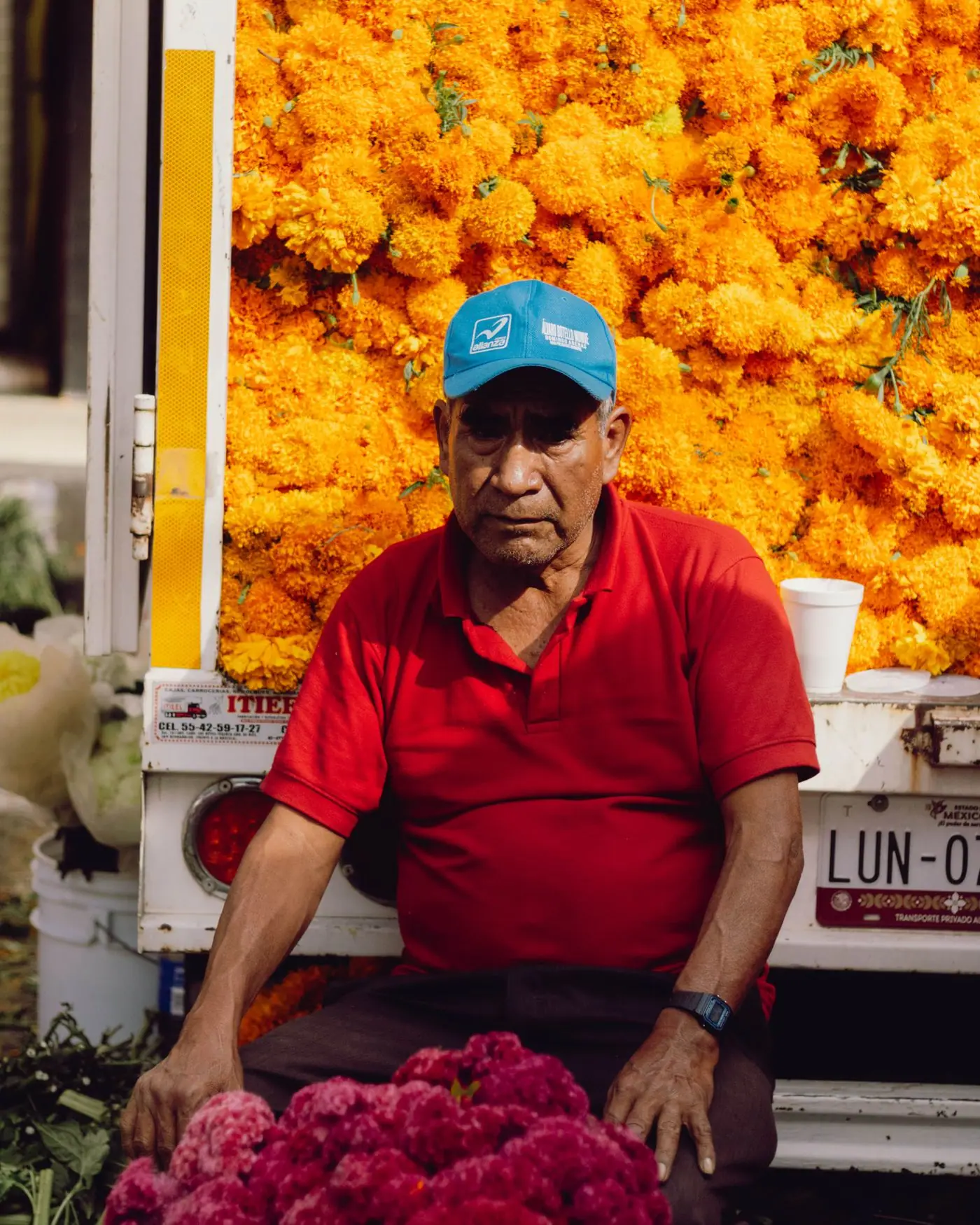
By mid-October the marigold trucks are already out, the same weeks Día de la Raza falls.
## Why raza is complicated
Raza can mean race, lineage, group, or people depending on context.[^src3] In the October 12 phrase, it is tied to older nationalist ideas of mestizaje, mixing, and a shared post-conquest identity.[^src4] That language can erase Indigenous and Afro-Mexican specificity if you use it carelessly.
## What Mexicans may say now
You may still hear Día de la Raza, especially in older speech or search results. You may see Día de la Nación Pluricultural in official contexts. You may also hear resistencia indígena or more critical language in activist, academic, and community spaces. Do not correct people with one universal answer.
¿Cómo se le dice ahora en México?
What is it called now in Mexico?
No sabía que el nombre había cambiado.
I did not know the name had changed.
Prefiero leer más antes de opinar.
I would rather read more before giving an opinion.
## Useful phrases for learners
The best phrase is not a slogan. It is a question: ¿cómo se le dice ahora en México? If someone explains, answer no sabía que el nombre había cambiado. That keeps you in learner mode instead of imported-opinion mode.
## Tone and safety
This topic touches colonization, Indigenous peoples, Afro-Mexican recognition, school memory, and state language.[^src5] If you are from the U.S., do not drag the conversation back to Columbus Day unless someone explicitly asks. Mexico has its own debate. For the celebratory side of the Mexican calendar, [the September fiestas patrias](/blog/fiestas-patrias-spanish) and [what mes patrio means](/blog/mes-patrio-meaning) are a gentler place to start.
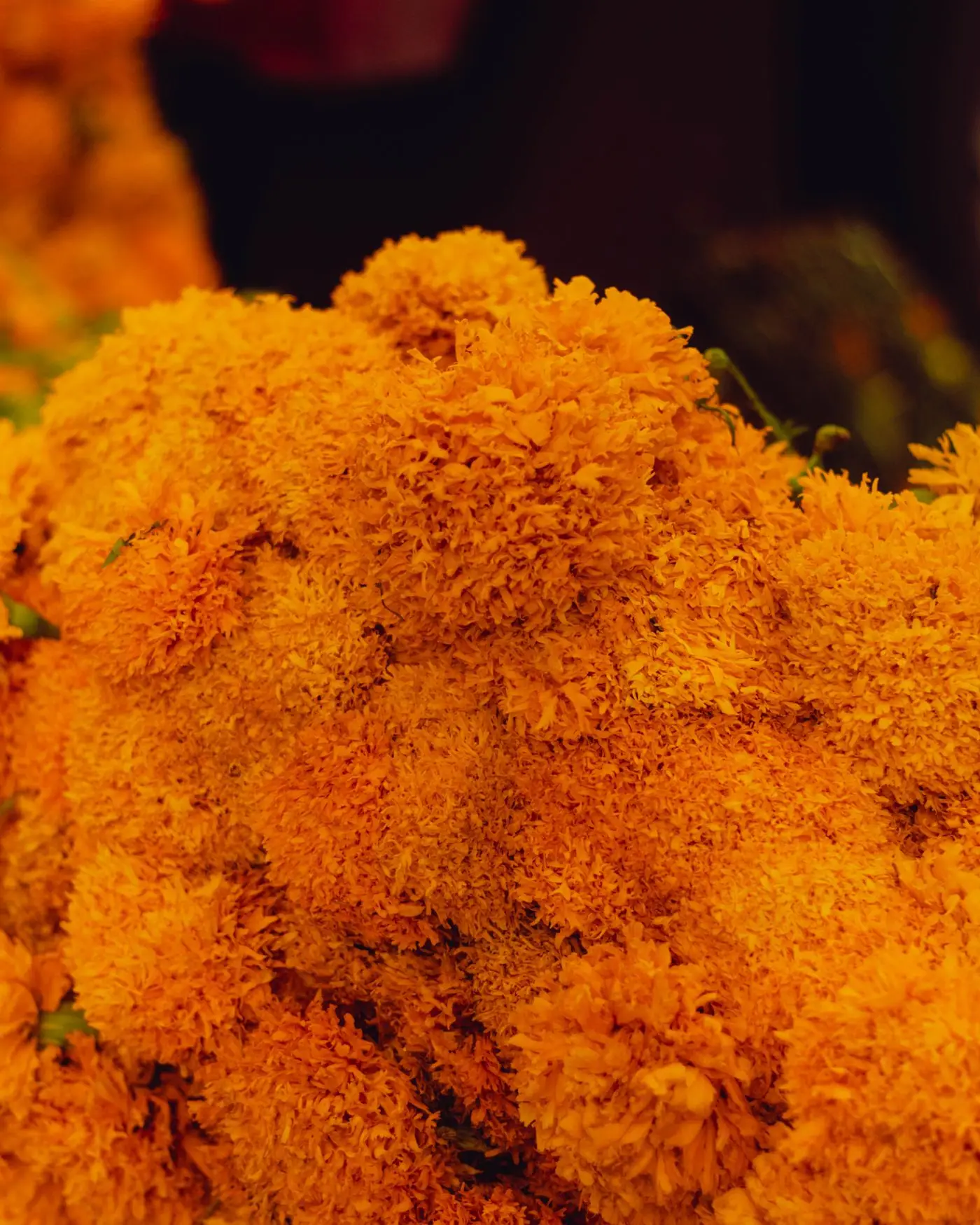
Cempasúchil, the marigold of the season, sold by the armful through October.
| Situation | Better move | Why |
|---|---|---|
| You are unsure | ¿Qué significa? | Short and honest |
| You need local usage | ¿Cómo lo dicen ustedes? | Invites lived context |
| You might overstep | Lo digo con respeto | Lowers the temperature |
| Someone corrects you | Gracias, así lo digo mejor | Keeps connection open |
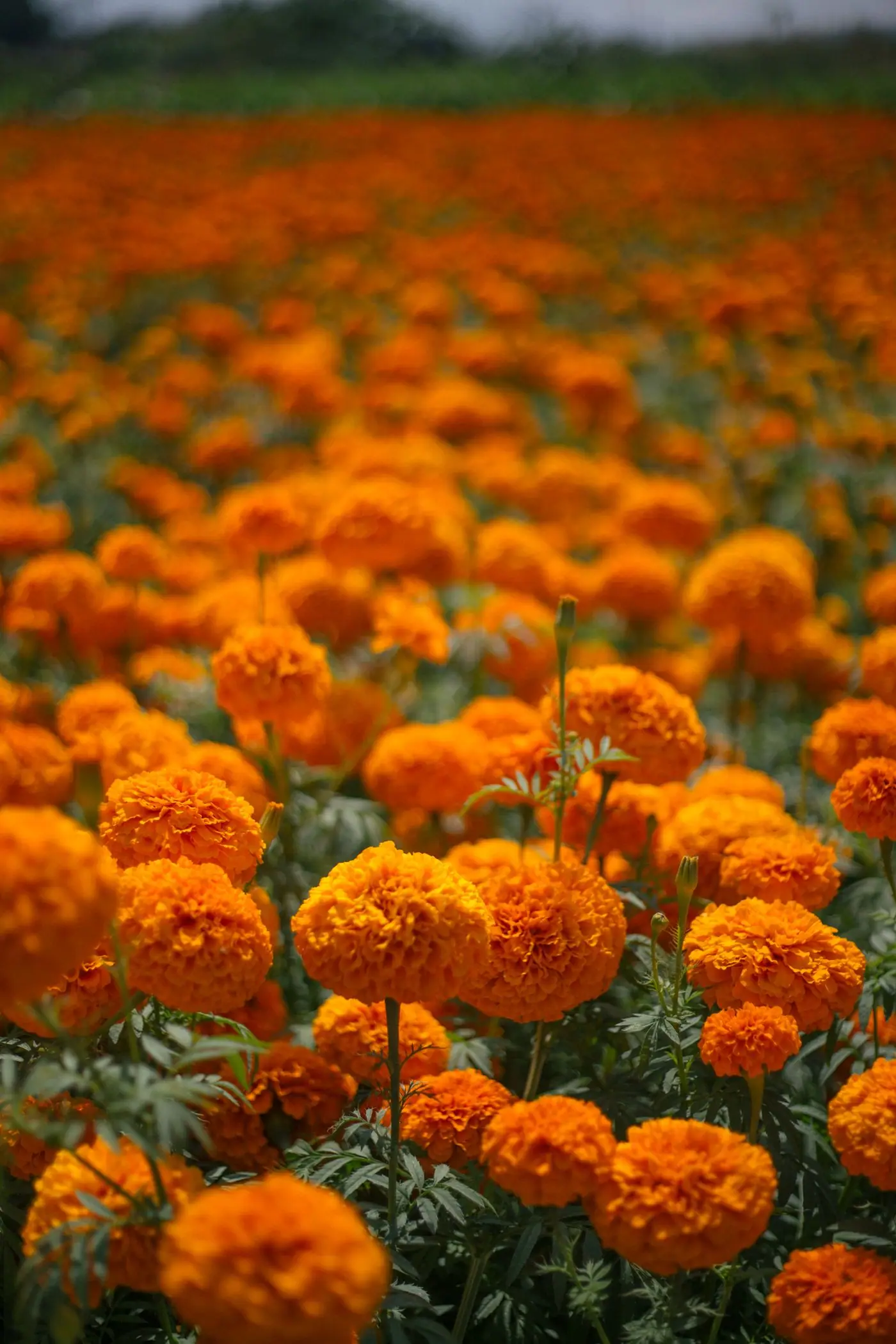
Whole fields of marigolds bloom across central Mexico as the season turns.
## How to talk about October 12 without sounding stuck in an old textbook
This is one of those dates where the Spanish is easy and the social read is the real lesson. In older materials, especially in the US, you may see Día de la Raza presented like a neutral holiday name. In Mexico today, the official federal framing changed to Día de la Nación Pluricultural, and that shift matters because it points toward Indigenous and Afro-Mexican presence rather than a single blended "race."[^src1][^src2]
In conversation, do not correct people aggressively. Some Mexicans will still say Día de la Raza because that is what they grew up hearing. Others will avoid it. A smart learner can say, he visto que ahora también dicen Día de la Nación Pluricultural. That opens the door without acting like you arrived to teach Mexico about Mexico.
If the topic comes up around school, work, or news, ask one of these: ¿se conmemora en tu escuela?, ¿cómo le dicen ahora?, or ¿es un día importante para ustedes? Notice the softness. You are inviting context. You are not demanding a debate.
For ConSalsa.App learners, the win is not having the perfect hot take. The win is hearing when a word has history attached. Raza can sound affectionate in phrases like mi raza or la raza, but inside this holiday name it can also carry an older nationalist story that not everyone wants to repeat. Same word, different room. That is exactly why Mexican Spanish is worth learning in context.
The practical win is not winning an argument about October 12. It is being able to hear an older name, recognize a newer official name, and ask about local usage with enough humility that the conversation can keep breathing.
[^src1]: [DOF, Decreto Día de la Nación Pluricultural](https://www.dof.gob.mx/index.php?day=18&edicion=MAT&month=12&year=2020)
[^src2]: [INPI, Queda en el pasado el Día de la Raza](https://www.gob.mx/inpi/articulos/queda-en-el-pasado-el-dia-de-la-raza-para-dar-paso-al-dia-de-la-nacion-pluricultural)
[^src3]: [Diccionario de la lengua española, raza](https://dle.rae.es/raza)
[^src4]: [Diccionario de la lengua española, mestizaje](https://dle.rae.es/mestizaje)
[^src5]: [INPI, pueblos indígenas](https://www.gob.mx/inpi)
FAQ:
Q: What does Día de la Raza mean?
A: It means Day of the Race, but raza here refers to an older idea of shared peoplehood or mestizaje, not a simple modern English race category.
Q: What is October 12 called in Mexico now?
A: In official federal framing, Mexico moved toward Día de la Nación Pluricultural after a 2020 decree. Older usage of Día de la Raza still appears.
Q: Is Día de la Raza a celebration?
A: It depends who is speaking. Many people treat October 12 as a day of critique, memory, Indigenous resistance, or reflection rather than celebration.
Q: What does Día de la Nación Pluricultural mean?
A: It means Day of the Pluricultural Nation, highlighting Mexico as a country made of many peoples, cultures, and histories.
Q: Should I say Columbus Day in Mexico?
A: No. That is a U.S. frame and usually sounds out of place in Mexico.
Q: What does mestizaje mean?
A: Mestizaje refers to mixing, especially racial/cultural mixing in Latin American history. It is politically complex.
Q: How do I ask about the date respectfully?
A: Say ¿cómo se le dice ahora en México? or ¿qué significa este día aquí?
Sources:
- DOF, Decreto Día de la Nación Pluricultural: https://www.dof.gob.mx/index.php?day=18&edicion=MAT&month=12&year=2020
- INPI, Queda en el pasado el Día de la Raza: https://www.gob.mx/inpi/articulos/queda-en-el-pasado-el-dia-de-la-raza-para-dar-paso-al-dia-de-la-nacion-pluricultural
- Diccionario de la lengua española, raza: https://dle.rae.es/raza
- Diccionario de la lengua española, mestizaje: https://dle.rae.es/mestizaje
- INPI, pueblos indígenas: https://www.gob.mx/inpi
Related words: neta, mande, jefa, jefe