---
title: "Gay Bars in CDMX: The Spanish for Ordering, Flirting, and Leaving Safe"
description: "Useful Mexican Spanish for gay bars in CDMX: ordering drinks, meeting people, setting boundaries, leaving, and keeping the night safe."
type: "article"
category: "grindr_gay"
url: "https://consalsa.app/blog/gay-bars-cdmx-spanish"
canonical: "https://consalsa.app/blog/gay-bars-cdmx-spanish"
published: "2026-07-28"
updated: "2026-07-28"
author: "Andrey the Nomad"
site: "ConSalsa.App"
license: "https://consalsa.app/about"
---
# Gay Bars in CDMX: The Spanish for Ordering, Flirting, and Leaving Safe
URL: https://consalsa.app/blog/gay-bars-cdmx-spanish
Date: 2026-07-28
Updated: 2026-07-28
Category: grindr_gay
Keywords: gay bars cdmx spanish, mexico city gay nightlife spanish, zona rosa spanish phrases, spanish for gay bars, mexican spanish nightlife
Summary: Useful Mexican Spanish for gay bars in CDMX: ordering drinks, meeting people, setting boundaries, leaving, and keeping the night safe.
Quick answer:
- For gay bars in CDMX, learn four lanes: ordering, joining conversation, boundaries, and leaving.
- Use me das, una chela, con permiso, te alcanzo ahorita, and ya me voy to move smoothly.
- Friendly does not mean available; short boundary phrases keep the night from getting messy.
- If you feel unsure, prioritize public exits, trusted rides, and clear check-ins.
What you'll learn:
- What to say when ordering, mingling, declining, and heading out in gay CDMX nightlife.
- How Zona Rosa and queer nightlife language blends app Spanish with street Spanish.
- How to sound friendly without promising more than you mean.
- Which safety phrases help when the vibe changes.
Don't sound gringo:
Do not make the bartender, stranger, or group guess your whole need from perdón. Add the object: perdón, ¿me das una chela? or perdón, voy pasando.
Body:
Spanish for gay bars in CDMX is not just una cerveza, por favor. You need the tiny social phrases that let you order, pass through a crowd, join a group, turn someone down, and leave without making the night heavier than it needs to be.
Think in four lanes: **drink, mingle, boundary, exit**. If you can handle those, your brain has more room for the actual night instead of translating every tiny social move in real time.
## The bar phrase map
| Situation | Use this | What it does |
|---|---|---|
| Ordering | Me das una chela, porfa | Casual drink order |
| Passing through | Con permiso | Moves politely |
| Joining | ¿Puedo sentarme? | Asks without assuming |
| Declining | Gracias, ahorita no | Soft no |
| Leaving | Ya me voy, cuídate | Clean exit |
| Safety | No me siento cómodo | Clear boundary |
The official Mexico City guide describes Zona Rosa as long connected to the city's gay and lesbian nightlife scene.[^zona-rosa] That context matters because the Spanish you use there sits between app shorthand, neighborhood nightlife, and normal Mexican manners.
Antro is commonly used for a nightclub or club space, and RAE includes Mexican usage around a nightclub.[^rae-antro] So when someone says vamos al antro, they probably do not mean a cave. Though at 3 a.m., emotionally, maybe.
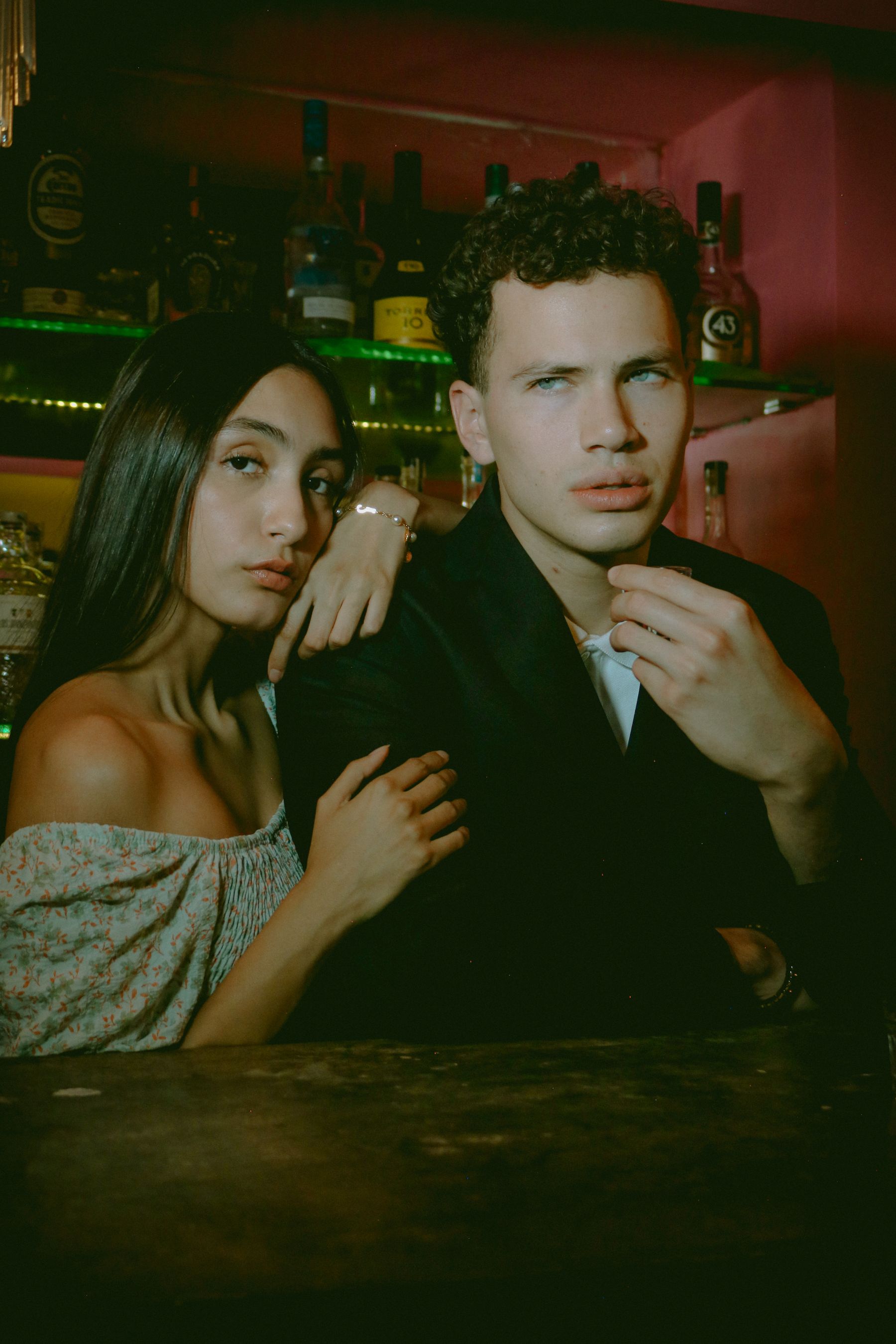
Nightlife Spanish works best when it is short enough to use in a loud room. Photo by Jonathan Valdes on Pexels.
## Ordering without sounding stiff
At a bar, me das is one of the most useful counter phrases. It is direct but normal. Add porfa, and you are fine. US learners often reach for puedo tener because it mirrors "can I have"; in Mexico, me das usually sounds much more natural at the counter.
¿Me das una chela, porfa?
Can I get a beer, please?
¿Me cobras, porfa?
Can you charge me, please?
¿Tienes agua?
Do you have water?
RAE gives cerveza the standard beer meaning.[^rae-cerveza] [Chela](/words/chela) is the casual Mexican word you will hear more in nightlife. Use either. If the bar is loud, clarity matters more than local flavor.
## Mingling without cornering people
A good bar opener is small. You are not giving a TED Talk with a mezcal garnish.
Qué onda, ¿también vienen seguido?
Hey, do you all come here often too?
Está buena la música, ¿no?
The music is good, right?
Vengo con un amigo, ¿todo bien si nos sentamos?
I am here with a friend, is it cool if we sit?
The DEM records onda as vibe, attitude, and informal greeting territory.[^dem-onda] In bars, qué onda is a gentle knock. It does not push the door open.
## Boundaries that do not make a scene
Friendly is not available. Dancing is not a contract. A conversation is not a promise. Have short lines ready before you need them.
| Boundary | Spanish | Use when |
|---|---|---|
| Not interested | Gracias, ahorita no | Light decline |
| Staying with friends | Voy con mis amigos | Exit toward group |
| Too close | Dame chance, porfa | Need space |
| Not comfortable | No me siento cómodo | Clearer safety line |
| Leaving | Ya me voy | End the interaction |
Grindr's guidelines foreground consent and boundaries, and that same thinking belongs offline too.[^grindr-guidelines] You do not need a perfect sentence. You need one that stops the momentum.
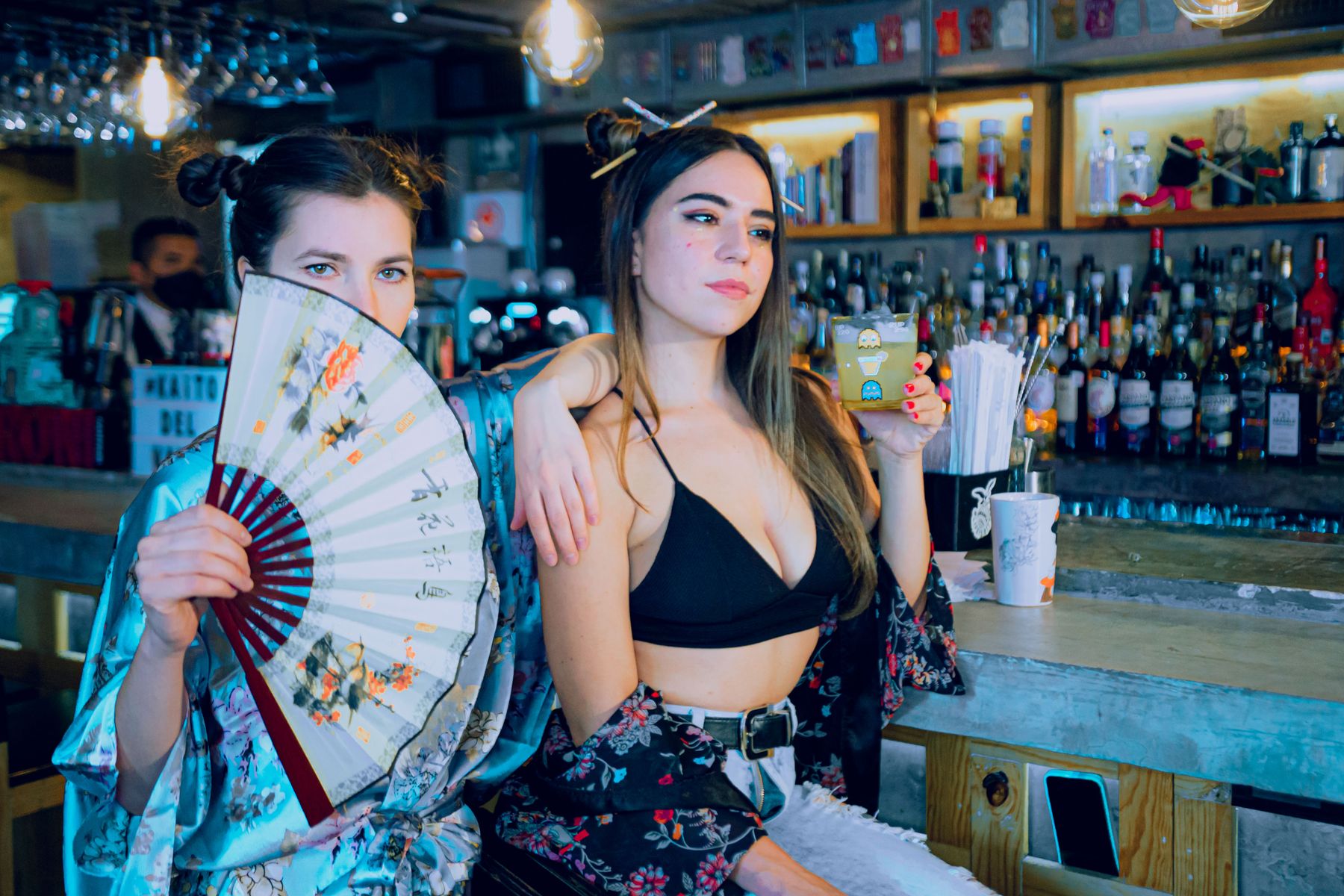
A boundary can be short and still kind. Photo by Ali Alcántara on Pexels.
## Leaving without apologizing for existing
US learners sometimes overexplain because they are afraid of sounding rude. In Mexican Spanish, warmth helps, but too much explanation can make the exit messy.
Ya me voy, estuvo chido. Cuídate.
I am heading out, it was cool. Take care.
Voy por mi Uber. Nos vemos.
I am going to get my Uber. See you.
Me voy con mis amigos. Que te diviertas.
I am leaving with my friends. Have fun.
If the vibe has shifted, make the exit practical. Move toward staff, friends, a public area, or your ride. Do not let politeness trap you in a conversation your body already voted against.
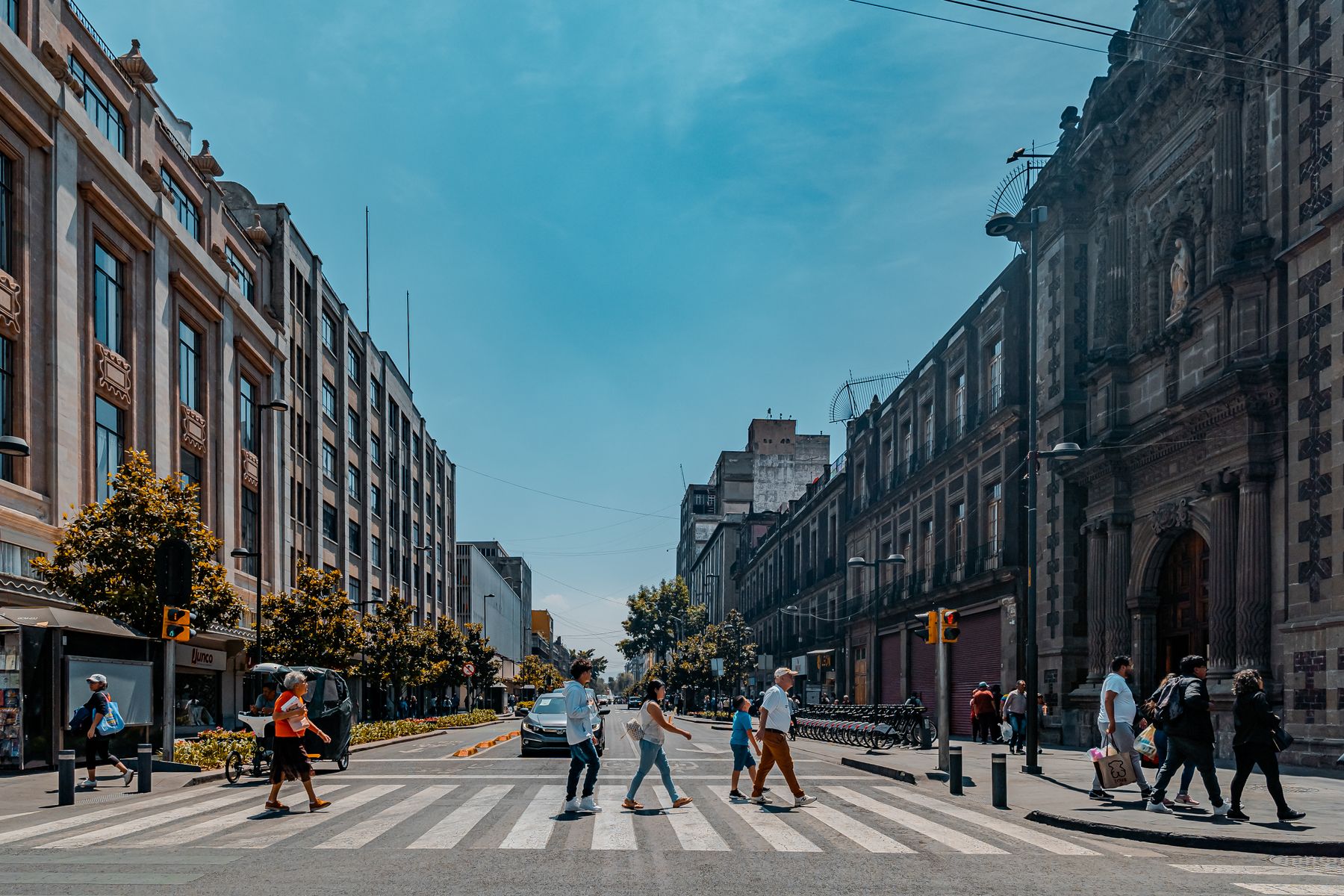
A good exit phrase helps you move back into the city with your night intact. Photo by Jimmy Elizarraras on Pexels.
## One line to practice
If you remember only one nightlife line, make it this:
Gracias, pero ahorita no. Que te diviertas.
Thanks, but not right now. Have fun.
It is polite. It is short. It closes the door without slamming it. Practice it once before you need it, because the moment you need a boundary is not the best moment to invent grammar. GLAAD's guidance around respectful LGBTQ language is a useful reminder here too: accuracy and dignity are not extra decoration.[^glaad-guia] They are part of how the night stays human.
[^zona-rosa]: [Mexico City official guide, Zona Rosa LGBT nightlife](https://mexicocity.cdmx.gob.mx/venues/zona-rosa-lgbt/?lang=en) - MexicoCity.cdmx.gob.mx.
[^rae-antro]: [Diccionario de la lengua española, antro](https://dle.rae.es/antro) - Real Academia Española.
[^dem-onda]: [Diccionario del español de México, onda](https://dem.colmex.mx/ver/onda) - El Colegio de México.
[^grindr-guidelines]: [Grindr Community Guidelines](https://www.grindr.com/community-guidelines) - Grindr.
[^glaad-guia]: [GLAAD, guía de términos y definiciones para los medios](https://glaad.org/publications/guia-de-glaad/) - GLAAD.
[^rae-cerveza]: [Diccionario de la lengua española, cerveza](https://dle.rae.es/cerveza) - Real Academia Española.
FAQ:
Q: What Spanish do I need for gay bars in CDMX?
A: You need ordering phrases, friendly openers, polite boundary lines, and exit phrases. Keep them short and natural.
Q: How do I order a beer in Mexican Spanish?
A: Say me das una chela, porfa, or una cerveza, porfa. Chela is casual for beer.
Q: How do I join a group politely?
A: Try qué onda, ¿puedo sentarme? or vengo con un amigo, ¿todo bien? Keep it low-pressure.
Q: How do I say no at a bar?
A: Use gracias, pero ahorita no, or todo bien, voy con mis amigos. Short is kinder than a fake excuse.
Q: Is antro a gay bar?
A: Antro usually means nightclub or club. A gay bar can be un antro de ambiente, but context matters.
Q: How do I leave politely?
A: Say ya me voy, estuvo chido, cuídate, or voy por mi Uber. Do not overexplain if you need to leave.
Q: What safety phrases should I know?
A: Use no me siento cómodo, voy con mis amigos, and ¿me ayudas a pedir un Uber? if the vibe changes.
Sources:
- Mexico City official guide, Zona Rosa LGBT nightlife: https://mexicocity.cdmx.gob.mx/venues/zona-rosa-lgbt/?lang=en
- Diccionario de la lengua española, antro: https://dle.rae.es/antro
- Diccionario del español de México, onda: https://dem.colmex.mx/ver/onda
- Grindr Community Guidelines: https://www.grindr.com/community-guidelines
- GLAAD, guía de términos y definiciones: https://glaad.org/publications/guia-de-glaad/
- Diccionario de la lengua española, cerveza: https://dle.rae.es/cerveza
Related words: antro, chela, sale, aguas