---
title: "Mes Patrio: Why September in Mexico Suddenly Turns Green, White, and Red"
description: "Learn what Mes Patrio means, why September matters in Mexico, and the Spanish you will hear around flags, fiestas, and El Grito."
type: "article"
category: "guides"
url: "https://consalsa.app/blog/mes-patrio-meaning"
canonical: "https://consalsa.app/blog/mes-patrio-meaning"
published: "2026-08-30"
updated: "2026-08-30"
author: "Andrey the Nomad"
site: "ConSalsa.App"
license: "https://consalsa.app/about"
---

# Mes Patrio: Why September in Mexico Suddenly Turns Green, White, and Red
URL: https://consalsa.app/blog/mes-patrio-meaning
Date: 2026-08-30
Updated: 2026-08-30
Category: guides
Keywords: mes patrio meaning, why september is mes patrio mexico, mexican independence september spanish
Summary: Learn what Mes Patrio means, why September matters in Mexico, and the Spanish you will hear around flags, fiestas, and El Grito.

Quick answer:
- Mes Patrio means patriotic month.
- In Mexico, it usually means September, the month of Independence celebrations.
- You will hear patria, bandera, independencia, grito, and fiestas patrias everywhere.
- Use the phrase for the season, not for any random month with a flag.

What you'll learn:
- Why September has special patriotic weight in Mexico.
- How Mes Patrio connects to El Grito and Independence Day.
- The words you will see on menus, signs, school events, and party invites.
- How to talk about the season respectfully and casually.

Don't sound gringo:
September carries three anniversaries, not two. The 13th is Niños Héroes and it is solemn — worth knowing before you walk into it expecting a party.

Body:

Everyone learns two dates for Mexican Independence — the night of the 15th and the holiday on the 16th. September actually carries **three**, and the third one catches almost every foreigner out.

## The month has more than one anniversary

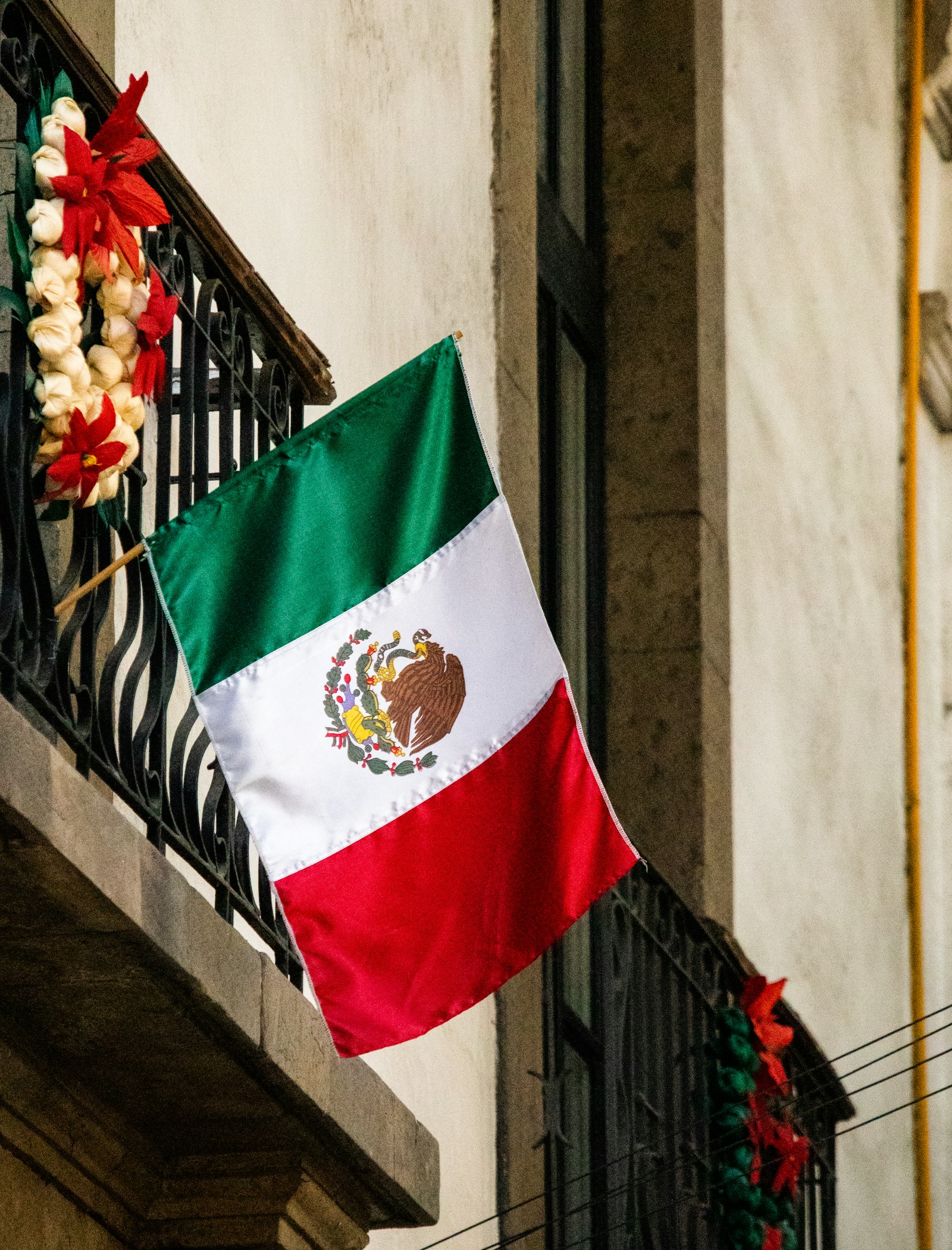
<mark lang="es-MX">Mes patrio</mark> means patriotic month, and in Mexico it means September specifically. It is not a marketing season: the war it commemorates began on 16 September 1810 with Miguel Hidalgo's call to arms in Dolores, and ended on 27 September 1821. The whole month sits inside that bracket, which is why the decorations go up at the start of it and not the week before.[^diputados][^firco]

| La fecha | Qué se conmemora |
|---|---|
| 13 de septiembre | Día de los Niños Héroes — the cadets who defended Chapultepec Castle in 1847 |
| 15 de septiembre | El Grito, late at night, in every main square in the country |
| 16 de septiembre | Independence Day proper: the military parade and the public holiday |
| 27 de septiembre | The end of the war in 1821, marked far more quietly |

The 13th is the one that surprises people. It commemorates six military cadets who died defending Chapultepec Castle during the US invasion of 1847 — a defeat, not a victory, and a solemn occasion sitting two days before the loudest party of the year. If you are in the city that week, the tonal switch between the 13th and the 15th is real and worth knowing about.

<figure>
  <img src="/images/blog/mes-patrio-meaning-1.jpg" alt="A Mexican flag flying from the top of a building against the sky." loading="lazy" />
  <figcaption>Flags go up at the start of the month, not the week of the holiday. Photo by <a href="https://unsplash.com/photos/yEg4JVCESv4" target="_blank" rel="noopener noreferrer">Alejandro Barba on Unsplash</a>.</figcaption>
</figure>

<div id="midpost-newsletter-slot"></div>

## Patria is not the same word as país

This is the small linguistic thing that makes the season legible.

<mark lang="es-MX">País</mark> is a country — a place on a map, neutral, administrative. <mark lang="es-MX">Patria</mark> is the homeland, and it is emotional. It is the word in the anthem, the word in the Grito, and the word on the banners; you will almost never hear it in an ordinary conversation about where someone is from.

<ul class="examples">
  <li class="example">
    <div class="es" lang="es-MX">Soy de otro país.</div>
    <div class="en" lang="en">I'm from another country.</div>
  </li>
  <li class="example">
    <div class="es" lang="es-MX">Viva la patria.</div>
    <div class="en" lang="en">Long live the homeland.</div>
  </li>
</ul>

Swap them and the sentence goes strange in both directions — <mark lang="es-MX">viva el país</mark> sounds like a civics lesson, and <mark lang="es-MX">soy de otra patria</mark> sounds like a nineteenth-century novel.

The historian Patricia Galeana has argued that the 15 September ceremony is a large part of how a shared national identity was built in the first place, which is why the language around it stays formal even when the party around it is not.[^galeana]

| La palabra | Dónde vive |
|---|---|
| patria | The anthem, the Grito, banners, speeches |
| país | Everyday conversation about where you are from |
| bandera | The flag itself — and Flag Day is in February, not September |
| independencia | The event; also the name of half the streets in Mexico |
| fiestas patrias | The holidays as a cluster, not one day |
| noche mexicana | A themed party, thrown by schools, offices and families |

## What actually happens, in order

<ol class="ladder">
  <li><div class="rung-card">
    <span class="rung-label">todo el mes</span>
    <span class="rung-es" lang="es-MX">Sale la decoración</span>
    <span class="rung-en" lang="en">The decorations come out</span>
    <span class="rung-note">Flags on buildings, papel picado over streets, menus in green, white and red.</span>
  </div></li>
  <li><div class="rung-card">
    <span class="rung-label">15, en la noche</span>
    <span class="rung-es" lang="es-MX">El Grito</span>
    <span class="rung-en" lang="en">The Cry</span>
    <span class="rung-note">Close to eleven, from the balcony. Then the anthem, then fireworks.</span>
  </div></li>
  <li><div class="rung-card">
    <span class="rung-label">16, de día</span>
    <span class="rung-es" lang="es-MX">El desfile</span>
    <span class="rung-en" lang="en">The parade</span>
    <span class="rung-note">The military parade and the statutory holiday. Much of the country is recovering.</span>
  </div></li>
</ol>

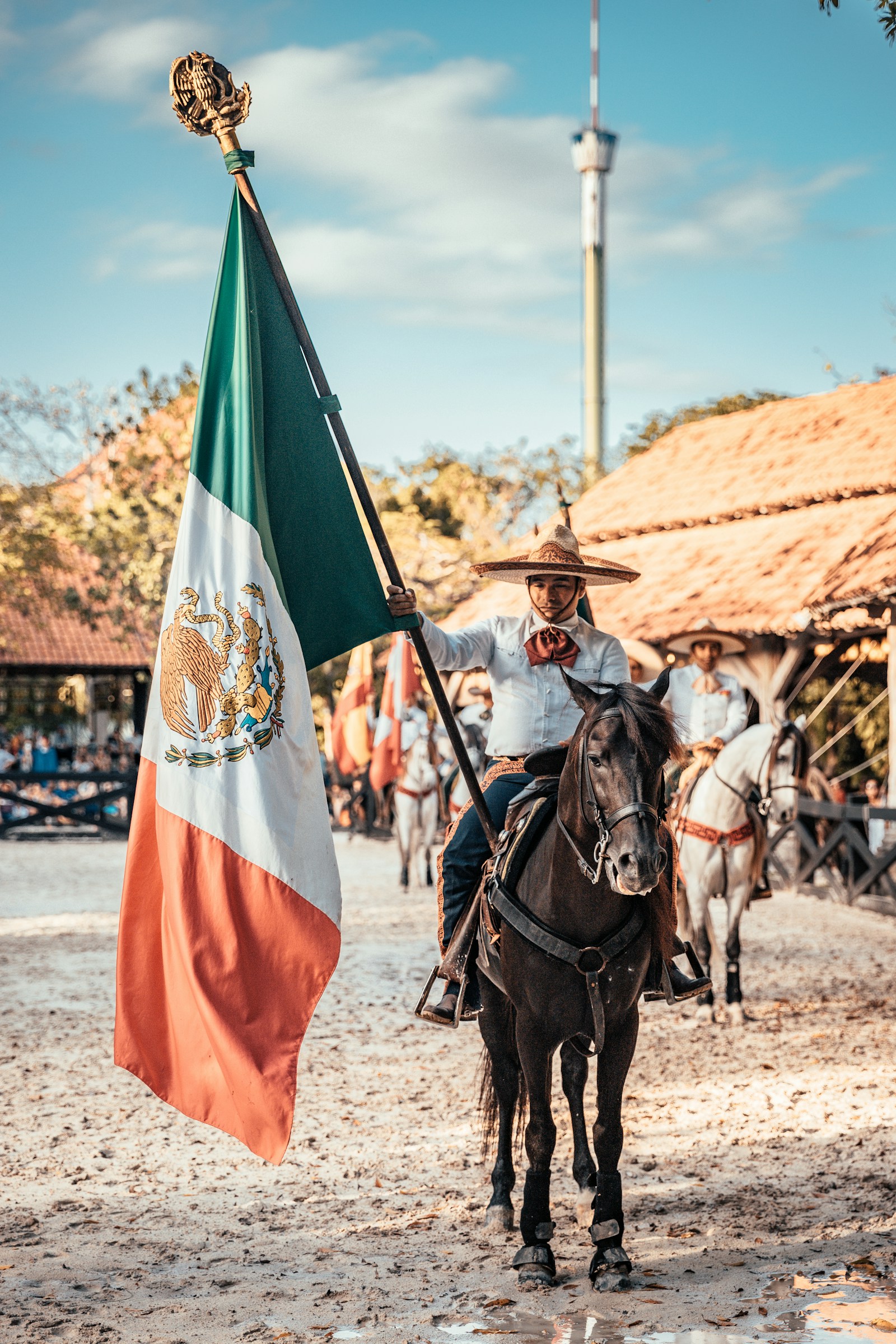
There is a good reason the party lands the night before the holiday, and it is not convenience. The original Grito happened in the **early hours of 16 September 1810**, in Dolores, Guanajuato.[^sedena] The commemoration was later fixed to the night of the 15th — a decision credited to Santa Anna — so the ceremony now falls on the eve of the date it commemorates. If someone invites you to a <mark lang="es-MX">noche mexicana</mark>, the useful question is not what to bring but what time the grito is, because the whole evening is arranged around it.
<figure>
  <img src="/images/blog/mes-patrio-meaning-2.jpg" alt="A Mexican flag hanging from the balcony of a building." loading="lazy" />
  <figcaption>The invitation to a <span lang="es-MX">noche mexicana</span> is really an invitation to eat a great deal. Photo by <a href="https://unsplash.com/photos/JdrdxRhEzlI" target="_blank" rel="noopener noreferrer">Jimmy Woo on Unsplash</a>.</figcaption>
</figure>

## Joining in without wearing the culture

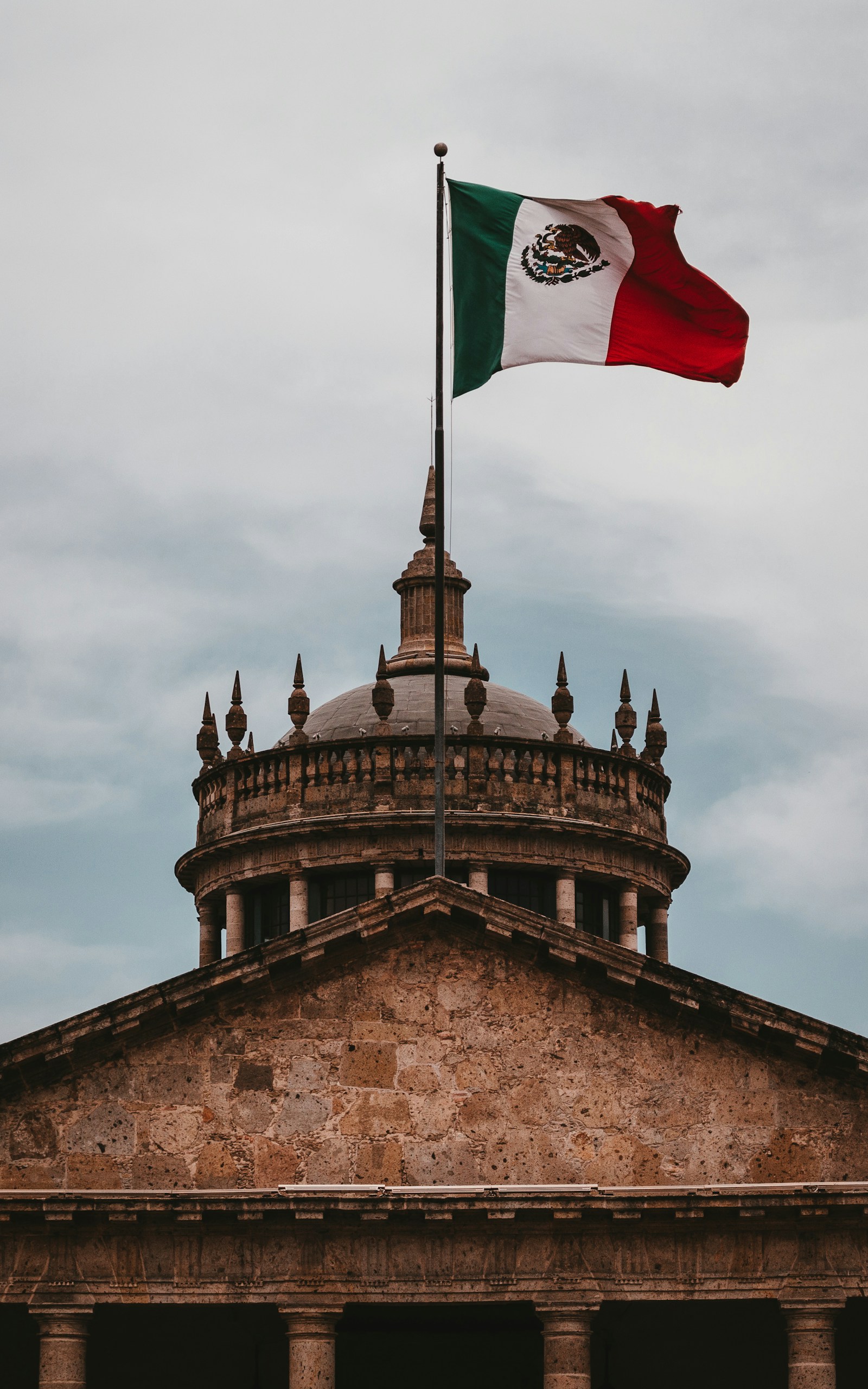
Foreigners are welcome at all of this, genuinely and without reservation. The distinction people notice is between celebrating **with** Mexicans and dressing **as** Mexicans for one night.

<div class="do-dont">
  <div class="dd-col dd-do"><p class="dd-title">Bien recibido</p><ul>
    <li>Verde, blanco y rojo — the colors are for everyone</li>
    <li><b lang="es-MX">¿A qué hora es el grito?</b> — shows you know the anchor</li>
    <li>Joining the <b lang="es-MX">¡viva!</b> responses</li>
    <li>Eating chiles en nogada while they are in season</li>
  </ul></div>
  <div class="dd-col dd-dont"><p class="dd-title">Se nota</p><ul>
    <li>A sombrero-and-poncho costume, worn as a costume</li>
    <li>A fake moustache</li>
    <li>Treating the ceremony itself as a comedy backdrop</li>
    <li>Calling it Mexican Cinco de Mayo, which is a different event entirely</li>
  </ul></div>
</div>

<figure>
  <img src="/images/blog/mes-patrio-meaning-3.jpg" alt="A man on horseback holding a large Mexican flag." loading="lazy" />
  <figcaption>The colors are an invitation. The costume is where it tips into caricature. Photo by <a href="https://unsplash.com/photos/KCsblHlrS2g" target="_blank" rel="noopener noreferrer">Y M on Unsplash</a>.</figcaption>
</figure>

## The short version

<mark lang="es-MX">Mes patrio</mark> is a season with three anniversaries in it, and the quiet one on the 13th sits two days before the loudest night of the year.

Learn <mark lang="es-MX">patria</mark> as the emotional word and <mark lang="es-MX">país</mark> as the ordinary one, ask what time the grito is, and wear the colors rather than the costume. That is most of it.

[^diputados]: [Cámara de Diputados, Mes patrio: signo de identidad y tradición](https://comunicacionsocial.diputados.gob.mx/revista/index.php/mirada-cultural/mes-patrio-signo-de-identidad-y-tradicion) — Cámara de Diputados
[^firco]: [FIRCO, Fiestas Patrias Mexicanas](https://www.gob.mx/firco/es/articulos/fiestas-patrias-mexicanas?idiom=es) — Fideicomiso de Riesgo Compartido
[^galeana]: [Secretaría de Cultura, la celebración del 15 de septiembre ha dado identidad nacional](https://www.gob.mx/cultura/prensa/la-celebracion-del-15-de-septiembre-en-mexico-ha-dado-identidad-nacional-patricia-galeana) — Secretaría de Cultura
[^sedena]: [SEDENA, 16 de septiembre de 1810, grito de Independencia de México](https://www.gob.mx/defensa/documentos/15-de-septiembre-de-1810-grito-de-independencia) — Secretaría de la Defensa Nacional

FAQ:
Q: What does mes patrio mean?
A: Patriotic month. In Mexico it means September, when the independence celebrations dominate the calendar and the decorations go up everywhere.

Q: Why is September the patriotic month?
A: Because Independence falls on the 16th, and the run-up and aftermath stretch across the whole month in decorations, menus, school events and advertising.

Q: What does patria mean?
A: Homeland. It is a warmer, more emotional word than country, which is why it turns up in the anthem and in the grito rather than in ordinary conversation.

Q: What is a noche mexicana?
A: A themed evening with Mexican food, music and decorations, thrown by schools, companies, restaurants and families during September. An invitation to one is an invitation to eat a lot.

Q: What should I wear to one?
A: Green, white and red is normal and welcome. A full charro outfit or a sombrero-and-poncho costume is where it tips into looking like a caricature.

Q: What food shows up in September?
A: Pozole, chiles en nogada, tostadas, and anything served in national colors. Chiles en nogada in particular are strongly seasonal and worth eating while they are around.

Q: Is it appropriate for foreigners to celebrate?
A: Completely. Joining in is welcome. The distinction people notice is between celebrating with Mexicans and wearing the culture as a costume for one night.

Q: What does fiestas patrias mean exactly?
A: The patriotic holidays taken together. Mes patrio is the season; fiestas patrias are the events inside it.

Sources:
- Cámara de Diputados, Mes patrio: signo de identidad y tradición: https://comunicacionsocial.diputados.gob.mx/revista/index.php/mirada-cultural/mes-patrio-signo-de-identidad-y-tradicion
- Secretaría de Cultura, la celebración del 15 de septiembre ha dado identidad nacional: https://www.gob.mx/cultura/prensa/la-celebracion-del-15-de-septiembre-en-mexico-ha-dado-identidad-nacional-patricia-galeana
- SEDENA, 16 de septiembre de 1810, grito de Independencia de México: https://www.gob.mx/defensa/documentos/15-de-septiembre-de-1810-grito-de-independencia
- FIRCO, Fiestas Patrias Mexicanas: https://www.gob.mx/firco/es/articulos/fiestas-patrias-mexicanas?idiom=es

Related words: orale, a-huevo, mande, sale