---
title: "From Chelas to Cruda: Mexican Nightlife Spanish for Bars and Clubs"
description: "Use Mexican nightlife Spanish at bars and clubs: chelas, antro, cover, ordering, payment, finding your group, late food, rides, and cruda."
type: "article"
category: "going_out"
url: "https://consalsa.app/blog/mexican-night-out-spanish"
canonical: "https://consalsa.app/blog/mexican-night-out-spanish"
published: "2026-08-04"
updated: "2026-08-04"
author: "Andrey the Nomad"
site: "ConSalsa.App"
license: "https://consalsa.app/about"
---
# From Chelas to Cruda: Mexican Nightlife Spanish for Bars and Clubs
URL: https://consalsa.app/blog/mexican-night-out-spanish
Date: 2026-08-04
Updated: 2026-08-04
Category: going_out
Keywords: mexican nightlife slang, chelas meaning, peda meaning mexico, cruda meaning mexican spanish, pre and antro mexico, night out spanish
Summary: Use Mexican nightlife Spanish at bars and clubs: chelas, antro, cover, ordering, payment, finding your group, late food, rides, and cruda.
Quick answer:
- Pre is the gathering before going out, chelas are beers, antro is a club, peda is the drinking session, bajón is late-night food, and cruda is the hangover.
- The words map the night’s stage and intensity; using the right one helps you understand whether the plan is one drink or an all-night event.
- Ask where the group is, whether there is a cover, how everyone is moving, and what time or condition will make you leave.
- You can use the vocabulary without matching anyone’s drinking; ya no quiero, pido coche, and yo ya me voy are complete choices.
What you'll learn:
- A timeline from the first chela invitation to the next morning’s cruda, with the tone of each word.
- Group-chat phrases for joining, finding people, checking cover, ordering, moving venues, and locating food.
- How to tell the difference between a casual drink plan and language signaling a much bigger night.
- Low-drama safety lines for drink choice, transportation, boundaries, lost friends, and calling the night.
Don't sound gringo:
Vamos por una chela may become three stops, but it is still not a contract. Confirm the next location and your own ride; do not let learning peda vocabulary make you volunteer for one.
Body:
A Mexican night out can begin with una [chela](/words/chela) [tranqui](/words/tranquilo) and end with somebody asking where to find tacos at 3:20 a.m. The vocabulary changes because the plan keeps quietly getting bigger: drink, pre, club, party, food, hangover.
Learn the words as a timeline. They help you hear the size of the plan while keeping your own choices about drinking, venues, and departure intact.
## The night-out timeline
| Stage | Word | Practical meaning |
|---|---|---|
| Invitation | Unas chelas | Beers; often a casual social plan |
| Before | El pre | Gathering before the main venue |
| Venue | El [antro](/words/antro) | Club or nightlife venue |
| Intensity | La [peda](/words/peda) | Drinking party or session |
| Late food | El bajón | Hunger or food stop |
| Next morning | La [cruda](/words/crudo) | Hangover |
The DEM defines chela as the popular word for beer.[^dem-chela] The plural unas chelas can name the drinks and the hangout. It starts smaller than peda, which signals that drinking has become a central feature of the event.
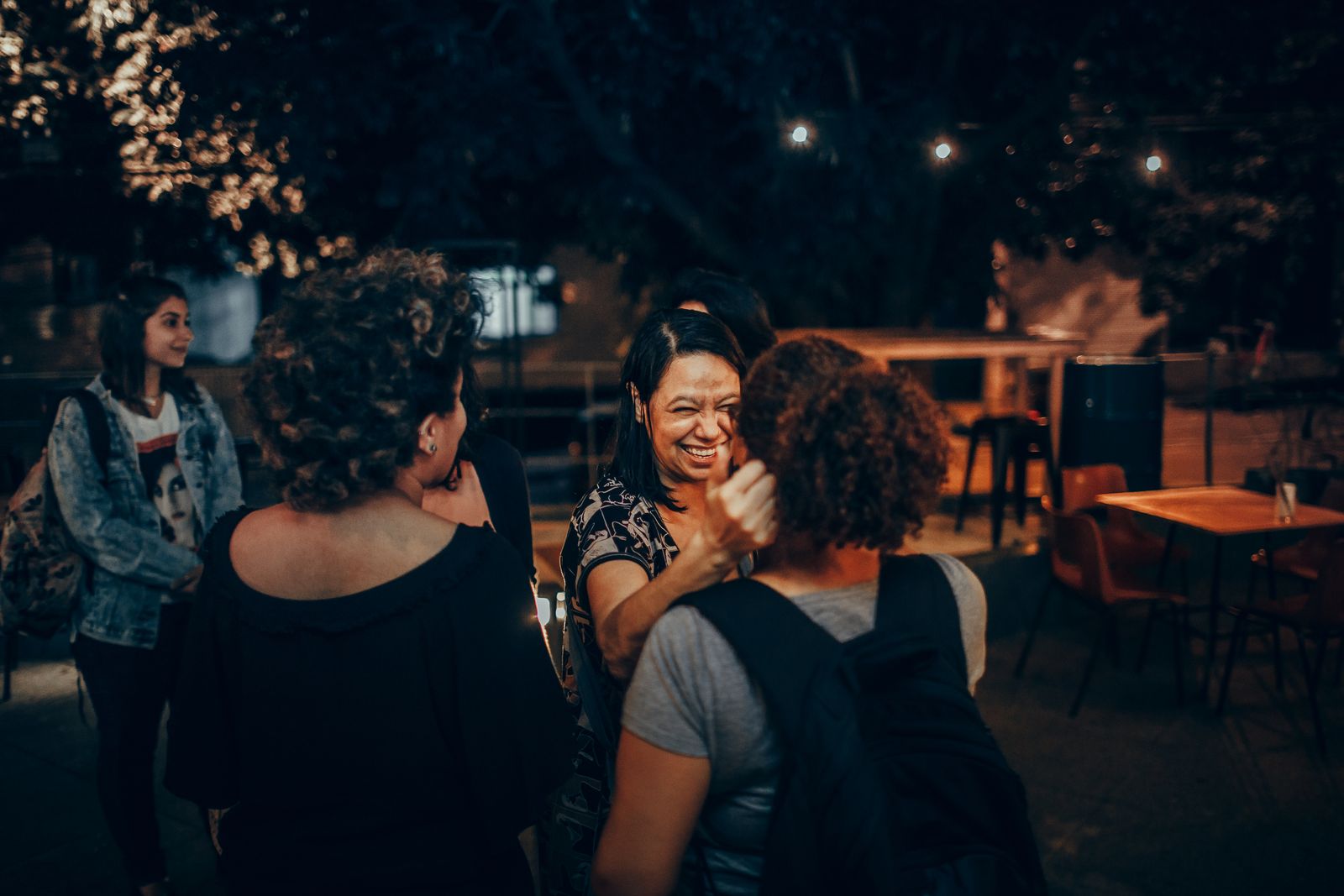
Unas chelas names an easy social plan; the rest of the timeline is still optional. Photo by Ketut Subiyanto on Pexels.
## Hear the plan hiding inside the noun
Compare:
| Message | Likely scale | Useful reply |
|---|---|---|
| ¿Una chela? | One casual drink | Va, ¿dónde? |
| Caile al pre | Join before going out | ¿A qué hora se van? |
| Vamos al antro | Club plan | ¿Hay cover? |
| Se armó la peda | Bigger drinking night | ¿Dónde andan? |
| Vamos por el bajón | Late food | ¿Tacos o qué? |
Se armó means the thing came together or kicked off. Se armó la peda is not simply “there are beverages”; it says the night has crossed into a proper drinking session. That is useful information, especially if you thought you had agreed to one beer.
The DEM’s entry for pedo includes drunkenness and also conflict, and marks the term vulgar.[^dem-pedo] Related words can carry that rough casual register even when friends use them cheerfully.
## Ask four questions before the line
The queue outside the venue is a bad place to discover the cover, dress expectations, ID problem, or that your group is actually at another branch.
¿Dónde andan exactamente?
Where exactly are you all?
¿Hay cover? ¿Aceptan tarjeta?
Is there a cover? Do they take cards?
¿Cómo nos vamos a regresar?
How are we getting back?
The standard dictionary gives antro older senses connected to a cave or a disreputable place,[^rae-antro] but everyday Mexican nightlife uses it broadly for a club. Context keeps you out of the cave.
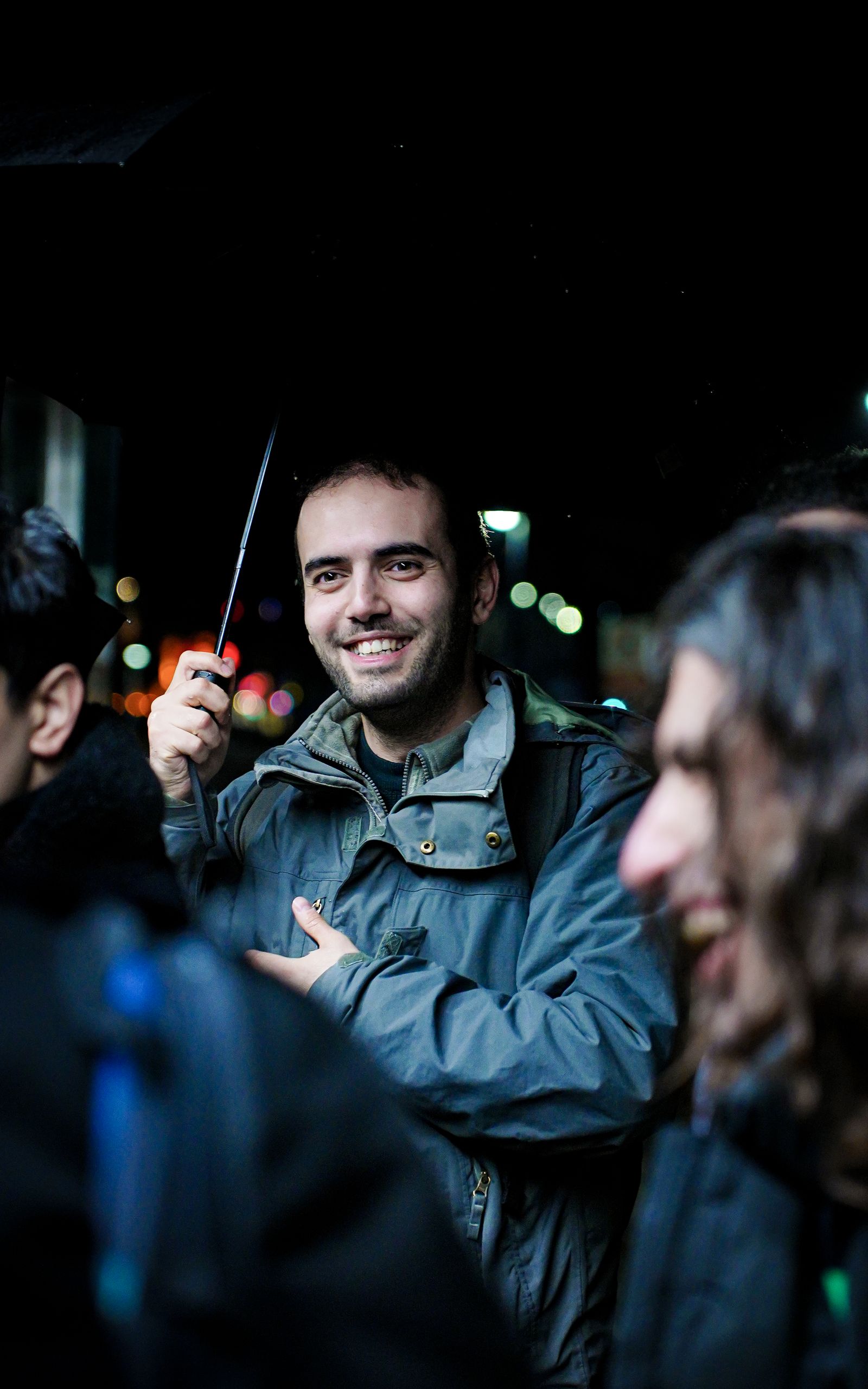
The quiet stop and the loud stop use different language—and may be equally good nights. Photo by Helena Lopes on Pexels.
## Order without performing nightlife
At a loud bar, short wins. Nobody benefits from your most elegant subordinate clause while the speaker is winning.
Me das una chela y un agua, porfa.
Can I get a beer and a water, please?
Ya no quiero, gracias. Con agua estoy bien.
I don't want any more, thanks. Water is fine.
You do not have to translate “I’m pacing myself” into a personal manifesto. Ya no quiero is enough. If somebody keeps asking, repeat it.
## Close the tab before the group migrates
Payment gets confusing when six people are talking, the bar is loud, and somebody has already ordered the ride. Ask before the last minute:
- ¿Pedimos otra ronda o ya la cuenta?
- ¿Se puede dividir la cuenta?
- Yo pago lo mío.
- ¿Ya incluyeron el servicio?
- ¿Aceptan tarjeta?
La cuenta is the bill; la ronda is a round of drinks. If one person paid, send your share while the amount is still visible. That is easier than reconstructing the night from blurry group-chat arithmetic the next morning.
## Keep movement more precise than mood
Groups split. Batteries die. The music wins. Use concrete messages.
| Need | Text |
|---|---|
| Find group | ¿Dónde andan? Mándenme ubicación |
| Say where you are | Estoy afuera, junto a la entrada |
| Change venue | ¿Sí se van a mover o aquí se quedan? |
| Share ride | Yo pido coche; caben tres |
| Leave alone | Ya me voy. Les aviso cuando llegue |
The late-night safety version of Spanish is not slang-heavy. It is addresses, names, rides, and clear decisions.
Mexico’s Secretaría de Salud links harmful alcohol use with accidents, violence, and other health and behavioral harms.[^salud-harm] Another official recommendation is simple: do not drive after drinking; use other transport.[^salud-drive] You can know every nightlife word and still make the night safer by ordering the ride early.
## Cruda is the morning word
The DEM records estar crudo or andar crudo for the general discomfort after drinking too much.[^dem-crudo] Use gender agreement for people: ando crudo, ando cruda.
¿Cómo amaneciste?
How are you feeling this morning?
Fatal. Ando crudo y necesito desayunar.
Terrible. I'm hungover and need breakfast.
Do not use crudo to minimize symptoms that look medically serious. A hangover joke is not a diagnosis.
The group can carry the energy; you still decide which stage is your last. Photo by Oktay Köseoğlu on Pexels.
## Give every stage an exit
Before going out, decide your likely last stage. Maybe it is chelas, maybe the antro, maybe tacos after. Tell one person, save the address, and keep enough battery to execute the ride plan.
Knowing the word helps you hear when “one beer” has turned into a bigger plan. You can leave at any stage.
[^dem-chela]: [Diccionario del español de México, chela](https://dem.colmex.mx/ver/chela) — El Colegio de México.
[^dem-pedo]: [Diccionario del español de México, pedo](https://dem.colmex.mx/ver/pedo) — El Colegio de México.
[^rae-antro]: [Diccionario de la lengua española, antro](https://dle.rae.es/antro) — RAE and ASALE.
[^salud-harm]: [Uso nocivo de bebidas alcohólicas asociado con problemas de salud](https://www.gob.mx/salud/prensa/598-uso-nocivo-de-bebidas-alcoholicas-asociado-con-mas-de-200-problemas-de-salud-fisica-y-mental) — Secretaría de Salud.
[^salud-drive]: [Evita conducir bajo el efecto de bebidas alcohólicas](https://www.gob.mx/salud/prensa/evita-conducir-bajo-el-efecto-de-bebidas-alcoholicas) — Secretaría de Salud.
[^dem-crudo]: [Diccionario del español de México, crudo](https://dem.colmex.mx/ver/crudo) — El Colegio de México.
FAQ:
Q: What does chela mean in Mexico?
A: Chela is a casual Mexican word for beer. Unas chelas means some beers and can describe either the drinks or a casual plan to get them.
Q: What is a pre?
A: It is the gathering before the main venue, often at a home or quieter bar. People meet, have a drink, and coordinate the next move.
Q: What does peda mean?
A: Peda is casual Mexican slang for a drinking party or sustained drinking session. It signals more intensity than simply going for one beer.
Q: What is an antro in Mexico?
A: In everyday Mexican nightlife, antro means a club or nightlife venue, even though standard dictionaries also record older negative senses.
Q: What does bajón mean after a party?
A: In nightlife talk, el bajón can refer to the hunger or food stop that arrives late in the night. Usage varies, so the food context matters.
Q: What does cruda mean?
A: Cruda is a hangover in Mexican Spanish. Andar crudo or estar cruda means to be hungover.
Q: How do I say I am done drinking?
A: Say ya no quiero, gracias; con agua estoy bien; or yo ya paro. You do not need to apologize or debate.
Sources:
- Diccionario del español de México, chela: https://dem.colmex.mx/ver/chela
- Diccionario del español de México, crudo: https://dem.colmex.mx/ver/crudo
- Diccionario del español de México, pedo: https://dem.colmex.mx/ver/pedo
- Diccionario de la lengua española, antro: https://dle.rae.es/antro
- Secretaría de Salud, risks of harmful alcohol use: https://www.gob.mx/salud/prensa/598-uso-nocivo-de-bebidas-alcoholicas-asociado-con-mas-de-200-problemas-de-salud-fisica-y-mental
- Secretaría de Salud, do not drink and drive: https://www.gob.mx/salud/prensa/evita-conducir-bajo-el-efecto-de-bebidas-alcoholicas
Related words: chela, peda, antro, crudo, tranquilo