---
title: "Mexican Spanish in Movies, TikTok, and Podcasts: What to Listen For First"
description: "Learn Mexican Spanish slang from media by listening for greetings, reactions, filler words, warnings, and tone instead of memorizing lists."
type: "article"
category: "guides"
url: "https://consalsa.app/blog/mexican-spanish-media"
canonical: "https://consalsa.app/blog/mexican-spanish-media"
published: "2026-05-30"
updated: "2026-05-30"
author: "Andrey the Nomad"
site: "ConSalsa.App"
license: "https://consalsa.app/about"
---
# Mexican Spanish in Movies, TikTok, and Podcasts: What to Listen For First
URL: https://consalsa.app/blog/mexican-spanish-media
Date: 2026-05-30
Updated: 2026-05-30
Category: guides
Keywords: learn mexican spanish slang from media, mexican spanish movies, mexican spanish podcasts, mexican spanish tiktok, listening practice mexican spanish
Summary: Learn Mexican Spanish slang from media by listening for greetings, reactions, filler words, warnings, and tone instead of memorizing lists.
Quick answer:
- To learn Mexican Spanish from movies, TikTok, and podcasts, listen first for greetings, reactions, agreement words, filler words, and tone.
- Do not try to copy every slang word immediately. Media exaggerates speech, especially comedy and TikTok.
- Useful listening targets include qué onda, güey, no manches, sale, va, pues, o sea, ahorita, and aguas.
- Refresh your media examples often because slang, memes, and platform language change quickly.
What you'll learn:
- What to listen for before copying slang
- Why TikTok Spanish can mislead learners
- A practical media listening checklist
- How to turn one clip into real Spanish practice
Don't sound gringo:
Don't copy a TikTok voice like it's your personality. Use media to train your ear first; steal rhythm slowly, not whole catchphrases from someone else's bit.
Body:
Mexican Spanish media is a gift and a trap.
The gift: movies, TikTok, YouTube, podcasts, interviews, street clips, and comedy can teach you rhythm way faster than a vocabulary list.
The trap: if you copy everything immediately, you may start talking like a meme with a backpack.
So the goal is simple: **listen for patterns before you collect slang trophies**.
## What to listen for first
Do not begin with the weirdest word in the clip. Begin with the structure of the conversation.
| Listen for | Examples | Why it matters |
|---|---|---|
| Greetings | [qué onda](/words/que-onda), buenas, hola | Shows relationship |
| Reactions | [no manches](/words/no-manches), [híjole](/words/hijole), órale | Shows emotion |
| Agreement | [sale](/words/sale), va, claro | Shows flow |
| Fillers | pues, o sea, este | Shows rhythm |
| Warnings | aguas, ojo, cuidado | Shows real-life use |
| Timing words | [ahorita](/words/ahorita), [al rato](/words/al-rato), luego | Shows cultural timing |
| People-words | [güey](/words/guey), [compa](/words/compa), banda | Shows closeness |
If you can hear categories like qué onda, no manches, sale, pues, and ahorita, you are learning more than slang. You are learning how conversations breathe. The Diccionario del español de México entries for onda, güey, and aguas show how much meaning sits inside tiny words.[^dem-onda][^dem-guey][^dem-aguas]
Spanish and Go's guide to chilango phrases is a useful reminder that CDMX speech has local rhythm, not just vocabulary.[^spanishandgo-chilango] Babbel's chilango phrase list is another good source to compare against real clips, because the same phrase can sound different in a scripted list and in a tired podcast aside.[^babbel-chilango]
## Movies vs TikTok vs podcasts
| Medium | Best for | Watch out for |
|---|---|---|
| Movies | Emotion, dialogue, register shifts | Scripted drama |
| Series | Repeated characters and relationships | Regional exaggeration |
| TikTok | Current slang, memes, speed | Performance language |
| Podcasts | Natural rhythm and filler words | Long stretches without visual context |
| Interviews | Polite casual speech | Host style affects tone |
| Street clips | Real reactions | Audio chaos |
TikTok can teach you what people are joking about this week. Podcasts teach you how people actually stretch a sentence for twenty seconds while finding the point.
Both are useful. Neither is the whole language.
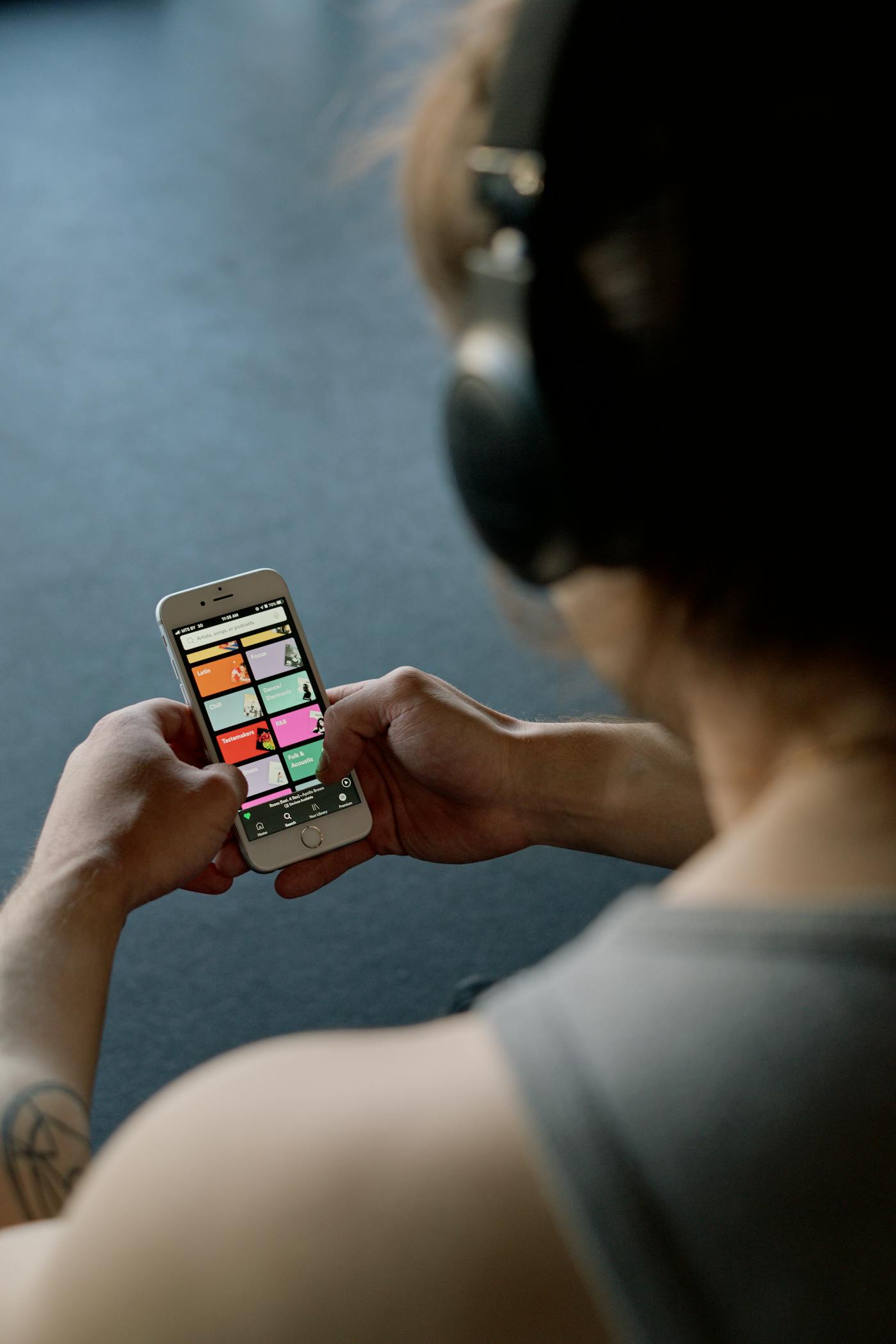
Short clips are useful, but replay the same one three times: first for meaning, second for rhythm, third for tiny words. Photo from Pexels.
## A one-clip practice method
Pick a 30- to 90-second clip. Do not try to understand everything.
1. First listen: catch the topic.
2. Second listen: write down reactions.
3. Third listen: write down fillers and agreement words.
4. Fourth listen: choose one phrase you could actually use.
Good target phrases:
No manches, ¿en serio?
No way, seriously?
Va, va, entiendo.
Okay, okay, I get it.
Pues sí, tiene sentido.
Well yeah, that makes sense.
O sea, no está mal.
I mean, it's not bad.
One usable phrase beats twenty screenshots in your notes app.
## What not to copy first
| You hear | Why to pause |
|---|---|
| Heavy curse words | They need relationship and tone |
| Class labels like [naco](/words/naco) | Social baggage |
| Gendered people-words | Can sound dismissive |
| Very local neighborhood jokes | Hard to transfer |
| Viral catchphrases | May expire quickly |
This is especially true in 2026, where language moves fast across platforms. A phrase can go from funny to tired before your spaced-repetition app finishes syncing.
## How to refresh your listening
Because media changes quickly, refresh examples quarterly:
- rotate podcasts and creators
- save short clips with clear audio
- compare scripted and unscripted speech
- ask Mexican friends if a phrase sounds current
- notice age, city, and social group
Do not chase every meme. Chase listening skill. The memes will find you anyway.
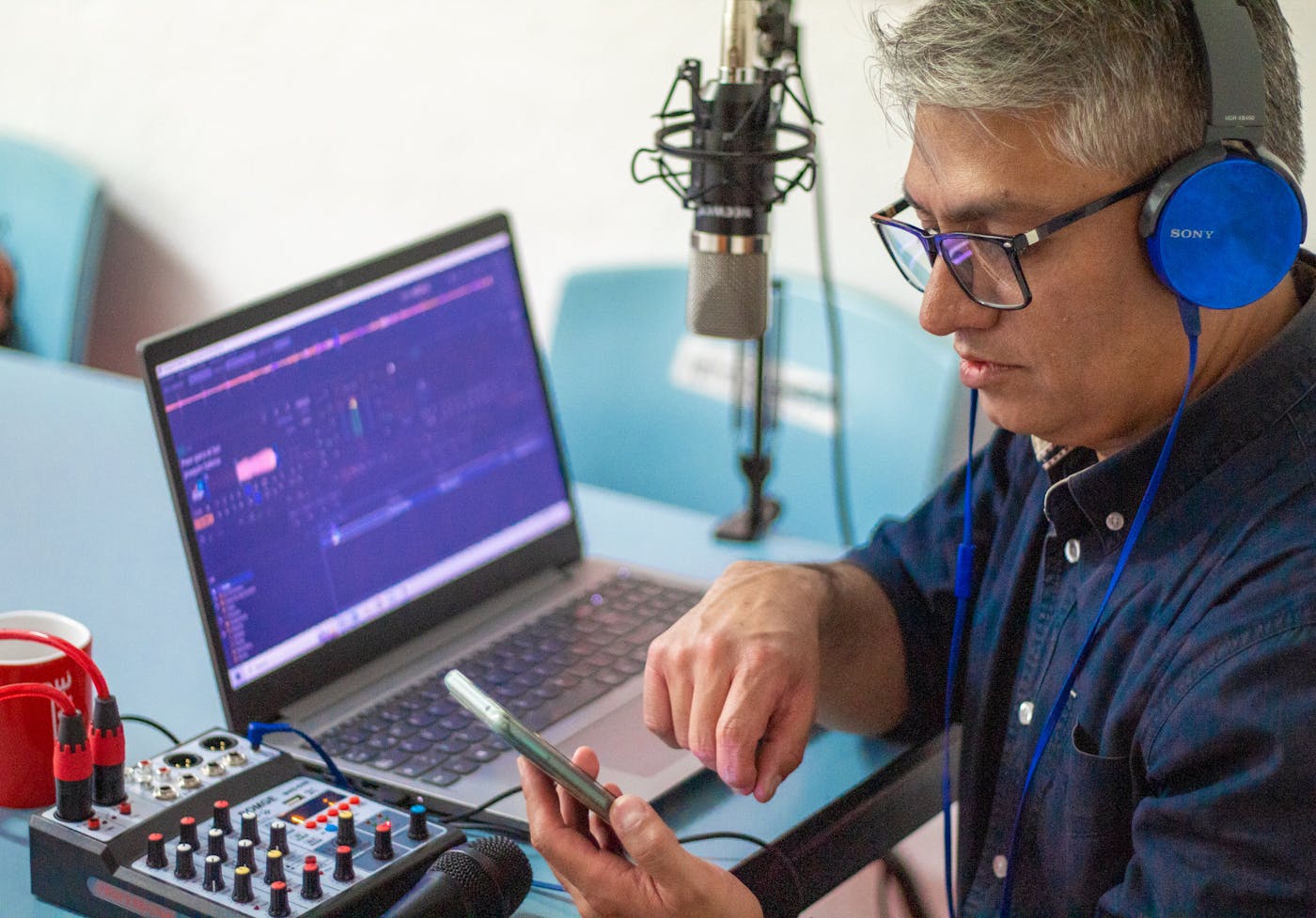
Long-form Mexican Spanish gives you something short clips cannot: patience, rhythm, and the thousand small ways people soften opinions. Photo from Pexels.
[^dem-onda]: [Diccionario del español de México, onda](https://dem.colmex.mx/ver/onda) — El Colegio de México
[^dem-guey]: [Diccionario del español de México, güey](https://dem.colmex.mx/ver/g%C3%BCey) — El Colegio de México
[^dem-aguas]: [Diccionario del español de México, aguas](https://dem.colmex.mx/ver/aguas) — El Colegio de México
[^spanishandgo-chilango]: [Spanish and Go, Words and phrases chilangos say](https://spanishandgo.com/learn/chilango-slang-in-mexico-city/) — Spanish and Go
[^babbel-chilango]: [Babbel, 15 chilango phrases for your next trip to Mexico City](https://www.babbel.com/learn-spanish/upper-intermediate/chilango-phrases) — Babbel
FAQ:
Q: Can I learn Mexican Spanish slang from movies and TikTok?
A: Yes, but use media for listening first. Learn rhythm, reactions, tone, and context before copying slang into real conversations.
Q: What should I listen for in Mexican Spanish media?
A: Listen for greetings, reactions, filler words, agreement words, warnings, and how people soften or intensify phrases.
Q: Is TikTok good for learning Mexican Spanish?
A: TikTok can help with current slang and rhythm, but it exaggerates language. Verify phrases in real conversations and longer-form media.
Q: What Mexican Spanish words should beginners notice first?
A: Notice qué onda, güey, sale, va, no manches, pues, o sea, ahorita, híjole, and aguas.
Q: What Mexican movies are good for learning Spanish?
A: Movies like Roma, Y tu mamá también, Güeros, Nuevo orden, and the show Club de cuervos use natural Mexican Spanish across class and region. Watch first with English subtitles, then with Spanish.
Q: Are Mexican telenovelas useful for learners?
A: Sometimes. Telenovelas use very clear, slow-paced Spanish, which helps beginners. But the language is often theatrical, not exactly how people actually talk on the street.
Q: How do I find Mexican TikTok accounts for Spanish practice?
A: Search Mexican cities or slang words directly: cdmx, chilango, guadalajara, qué onda. Follow accounts that post short slice-of-life videos rather than dance trends — the language is more real.
Sources:
- Diccionario del español de México, onda: https://dem.colmex.mx/ver/onda
- Diccionario del español de México, güey: https://dem.colmex.mx/ver/g%C3%BCey
- Diccionario del español de México, aguas: https://dem.colmex.mx/ver/aguas
- Spanish and Go, Words and phrases chilangos say: https://spanishandgo.com/learn/chilango-slang-in-mexico-city/
- Babbel, 15 chilango phrases for your next trip to Mexico City: https://www.babbel.com/learn-spanish/upper-intermediate/chilango-phrases
Related words: guey, que-onda, no-manches, ahorita, hijole, sale