Mexican swear words are not just spicy vocabulary. They are social tools, pressure valves, jokes, insults, reactions, and sometimes little friendship tests.
That is why learners get in trouble. They hear a Mexican friend say no mames every six minutes and think, great, this is just “no way.” Then they say it to an Airbnb host, a waiter, or their partner’s aunt, and suddenly the room has a draft.
So here is the mature version: understand first, use carefully.
You do not need to swear to sound natural in Mexico. You do need to recognize what people are saying around you, and you need clean alternatives that do not make you sound like a children’s workbook.

The quick map: strong vs safer
This is not a dare list. It is a listening guide.
| Strong word or phrase | Rough English feel | Cleaner alternative | When to choose the clean one |
|---|---|---|---|
| No mames | No freaking way / don’t mess with me | No manches | Almost always as a learner |
| Pinche | Damn / freaking / lousy | Bendito / maldito / qué pesado | Around strangers or work |
| Cabrón | Bastard / badass / jerk | Ca… no, mejor no / qué pesado | Unless friends clearly use it |
| Pendejo | idiot / dumbass | tonto / menso / distraído | When describing mistakes |
| Chingar | to screw / mess up / bother | molestar / arruinar / fregar | Formal or mixed company |
| Madre phrases | varies from awesome to very rude | increíble / qué fuerte / híjole | When family or older people are nearby |
| A la chingada | to hell / get lost | ya fue / olvídalo / vámonos | Public frustration |
If a phrase feels powerful in English, assume it is powerful in Spanish too. Maybe not in the exact same way, but enough to be careful.
No mames vs no manches
This is the pair every learner asks about.
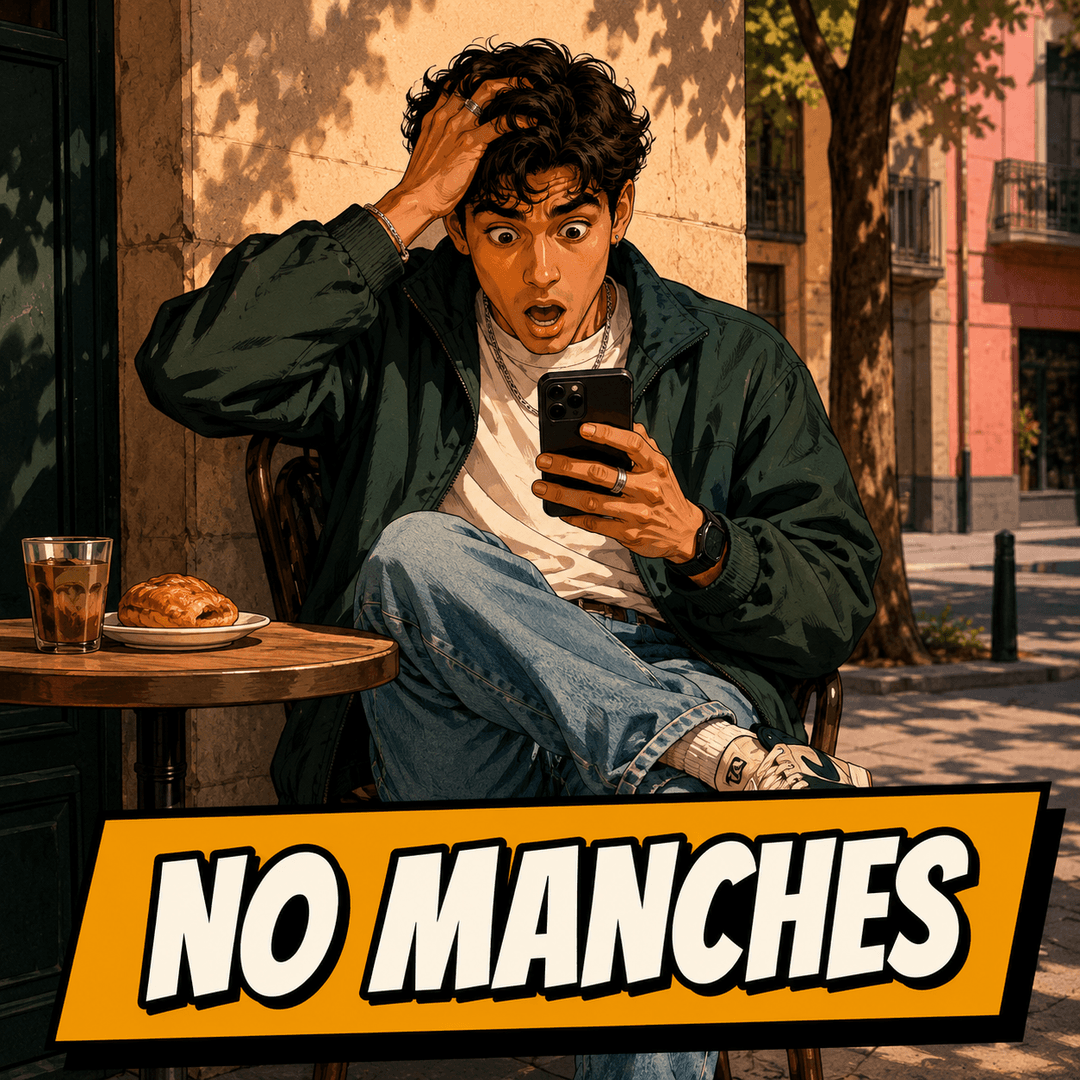
No mames is strong. In Mexico, friends use it constantly to mean no way, you’re kidding, what the hell, unbelievable, stop messing around, or that is too much. It can be funny. It can also be vulgar.
No manches is the cleaner cousin. It expresses surprise or disbelief without the same punch.
-
No manches, ¿sí te cobraron eso?No way, they really charged you that?
-
No manches, qué bonito lugar.Wow, what a beautiful place.
If you are not sure, use no manches. It gives you the Mexican reaction without making the conversation suddenly adult-only.
Pinche, cabrón, pendejo, chingar
These are words you will hear. You do not need to adopt them immediately.
| Word | You may hear it as… | Risk level | Learner move |
|---|---|---|---|
| Pinche | intensifier: “pinche tráfico” | Medium to high | Understand; avoid in polite rooms |
| Cabrón | jerk, tough person, badass, dude among friends | High because meaning swings | Do not use first |
| Pendejo | idiot / dumbass | High if aimed at a person | Avoid unless quoting |
| Chingar | mess with, screw up, work hard, bother, many meanings | High and very Mexican | Learn meanings slowly |
| Chale | ugh / damn / that’s rough | Low to medium | Useful casual reaction |
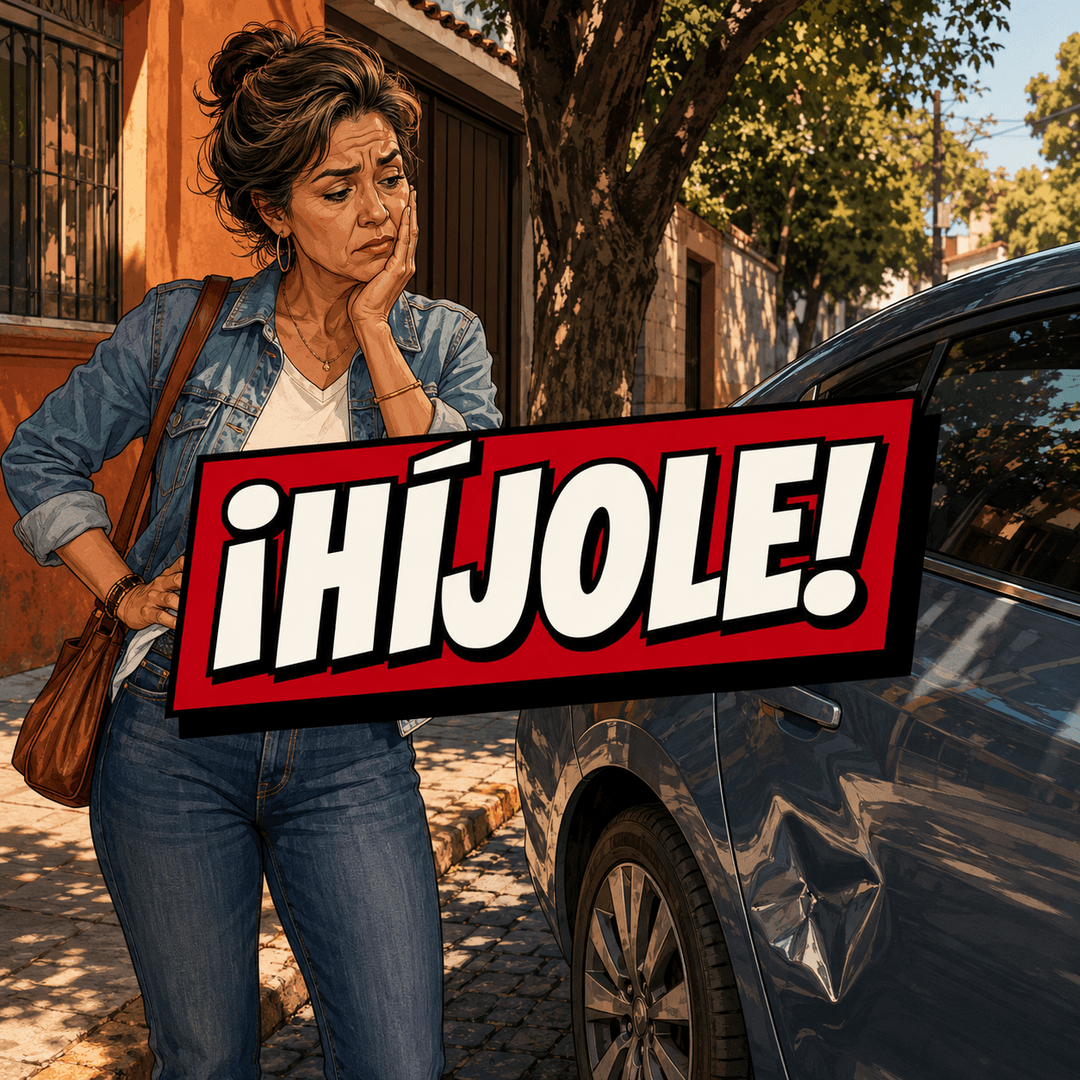
| Híjole | wow / oh no / yikes | Low | Very useful and safer |
The tricky part is that some of these words can sound affectionate among close friends. Cabrón can be insult or compliment. Chingar can be anger, humor, effort, or disaster. Mexican Spanish loves context.
For learners, that means one thing: do not copy the strongest word first. Copy the relationship first.

Clean reactions that still sound human
You can react naturally without swearing. These are the phrases I would actually give a friend from the US before a trip.
-
Híjole, qué fuerte.Wow, that's intense.
-
No manches, ¿en serio?No way, seriously?
-
Qué mala onda.That sucks / that's messed up.
-
Ay no, qué pena.Oh no, that's embarrassing / I'm sorry.
-
Chale, qué tráfico.Ugh, what traffic.
Híjole is especially useful because it covers surprise, concern, sympathy, and “I do not know what to say but I am emotionally present.”
Where swearing changes
Mexican curse words depend on the room more than the dictionary.
| Context | Strong slang? | Better choice |
|---|---|---|
| Close friends at a bar | Maybe, if they use it first | Mirror lightly |
| First dinner with partner’s family | No | Híjole, no manches, qué fuerte |
| Work meeting | No | Entiendo, qué complicado |
| Taxi or rideshare issue | Avoid | Disculpa, hubo un problema |
| Watching soccer with friends | More likely | Listen first |
| Immigration, bank, doctor, landlord | Absolutely avoid | Formal Spanish |
| Group chat with Mexican friends | Maybe | Copy the group’s level slowly |
In the US, you already know this instinctively. You may swear with your closest friend and not with a border officer, boss, or someone’s grandmother. Same idea, different words.
The “I heard it from a friend” trap
Your Mexican friend can say something you should not say.
Not because you are banned from the language. Because your friend has relationships, accent, timing, identity, and context that you do not automatically borrow.
If your friend says:
-
No mames, cabrón.No freaking way, dude.
You can understand it. You can laugh. You can maybe use it later in that same friend group if the vibe is clear.
But your default travel version can be:
-
No manches, ¿en serio?No way, seriously?
Same emotional lane. Much safer vehicle.

The best starter set
Learn the strong words so you are not lost. Use the clean set until you have real social footing.
- No manches for no way
- Híjole for wow, yikes, oh no
- Qué mala onda for that sucks
- Chale for ugh
- No puede ser for it cannot be / no way
- Qué fuerte for that is intense
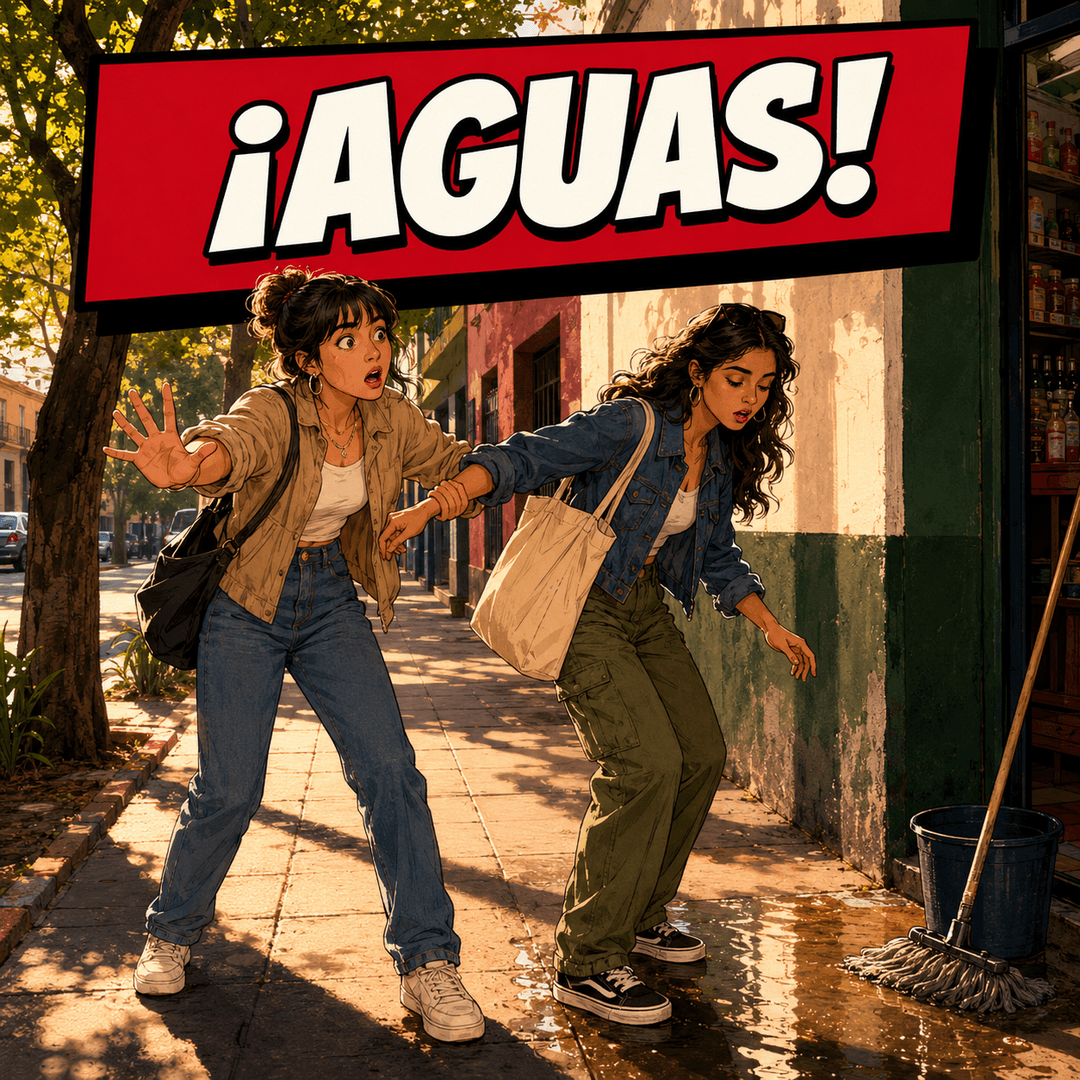
- Aguas for watch out
That set sounds modern, useful, and human. It also keeps you out of unnecessary trouble.