---
title: "\"Plan Tranqui\" on Mexican Dating Apps: Cute Hangout or Soft Booty Call?"
description: "Decode plan tranqui in Mexican dating apps: casual hangout, cozy night, low effort, hookup signal, or vague non-plan."
type: "article"
category: "dating"
url: "https://consalsa.app/blog/plan-tranqui-dating-apps"
canonical: "https://consalsa.app/blog/plan-tranqui-dating-apps"
published: "2026-06-15"
updated: "2026-06-15"
author: "Andrey the Nomad"
site: "ConSalsa.App"
license: "https://consalsa.app/about"
---

# "Plan Tranqui" on Mexican Dating Apps: Cute Hangout or Soft Booty Call?
URL: https://consalsa.app/blog/plan-tranqui-dating-apps
Date: 2026-06-15
Updated: 2026-06-15
Category: dating
Keywords: plan tranqui meaning, mexican dating apps spanish, tranqui meaning mexico, mexican spanish dating slang, plan tranqui
Summary: Decode plan tranqui in Mexican dating apps: casual hangout, cozy night, low effort, hookup signal, or vague non-plan.

Quick answer:
- Plan tranqui on an app names the energy of the evening and nothing else - not the activity, not the place, not the hour.
- Time and place carry the meaning the words do not. Café at five and my place at midnight are both plan tranqui.
- Ask with two options rather than an open question: va, ¿tipo café o unos drinks?
- If it stays vague after one friendly, specific question, the vagueness is the answer.

What you'll learn:
- Why plan tranqui names the energy of an evening and nothing else.
- How the time and the place carry everything the words leave out.
- A two-option question that clarifies without sounding suspicious.
- What continued vagueness after a clear question actually tells you.

Don't sound gringo:
Plan tranqui is not a full plan. Ask what kind: café, drinks, caminar, casa. The chillest person in the chat is often the one who clarifies calmly.

Body:

<mark lang="es-MX">Plan tranqui</mark> is the phrase that looks harmless and then asks you to guess the whole evening. On Mexican dating apps it can mean coffee, a walk, movie night, a couch plan, a low-effort invite, or a careful way to avoid naming expectations. The word <mark lang="es-MX">tranqui</mark> sounds calming; the plan still needs shape.

<mark lang="es-MX">Plan tranqui</mark> describes the energy of an evening and nothing else. Not the activity, not the venue, not the hour. That makes it genuinely useful on an app, and it is also why two people can agree to one enthusiastically while picturing completely different nights.[^rae-plan][^rae-tranquilo]

## The plan tranqui decision tree

Do not ask like a detective. Ask like someone organizing their night.

| Phrase | What it does | Best read |
|---|---|---|
| Café o caminar | Usually safer | Good public first plan |
| Drinks early | Flirty but normal | Watch the follow-up |
| Movie at my place | More intimate | Clarify comfort |
| No place named | Not a plan yet | Ask what they have in mind |
| Late and vague | Potentially loaded | Protect your boundary |

Read the hour and the address, because they carry everything the words leave out. <mark lang="es-MX">Café</mark> at five and <mark lang="es-MX">mi depa</mark> at midnight are both accurately described as <mark lang="es-MX">plan tranqui</mark>. The adjective is honest in each case. It is simply not the part carrying the information.[^rae-quedar]

The clarifying replies all do the same thing: they offer options rather than demanding a definition. <mark lang="es-MX">¿Tipo café o unos drinks?</mark> can be answered in two words and accuses nobody of being evasive, which is precisely why it gets a straight answer.

<ol class="ladder">
  <li><div class="rung-card">
    <span class="rung-label">la niebla</span>
    <span class="rung-es" lang="es-MX">Plan tranqui</span>
    <span class="rung-en" lang="en">Chill plan</span>
    <span class="rung-note">Sets the volume. Says nothing about what, where or when.</span>
  </div></li>
  <li><div class="rung-card">
    <span class="rung-label">el qué</span>
    <span class="rung-es" lang="es-MX">¿Tipo café o unos drinks?</span>
    <span class="rung-en" lang="en">Like coffee or drinks?</span>
    <span class="rung-note">Two options. A menu gets answered where a blank page does not.</span>
  </div></li>
  <li><div class="rung-card">
    <span class="rung-label">el cuándo</span>
    <span class="rung-es" lang="es-MX">¿Entre semana o el finde?</span>
    <span class="rung-en" lang="en">Midweek or the weekend?</span>
    <span class="rung-note">Ask it in the same message. Two closed questions, one send.</span>
  </div></li>
  <li><div class="rung-card">
    <span class="rung-label">la respuesta</span>
    <span class="rung-es" lang="es-MX">Sigue vago</span>
    <span class="rung-en" lang="en">Still vague</span>
    <span class="rung-note">That is the answer. Vagueness after a specific, friendly question is information.</span>
  </div></li>
</ol>

## Cute hangout or soft booty call?

The difference is not the word alone. <mark lang="es-MX">algo tranqui</mark> at 4 p.m. near a cafe lands differently from <mark lang="es-MX">plan tranqui</mark> at 11:40 with no neighborhood and a winking emoji. You do not need to be suspicious; you need to be literate.

The question is not whether somebody is being shady. Most people using the phrase are hiding nothing at all - they are being casual, and casual language is genuinely ambiguous. Treat vagueness as evidence of intent and you will be wrong about perfectly pleasant people about as often as you are right.[^grindr-bio]

<ul class="examples">
  <li class="example">
    <div class="es" lang="es-MX">Va, ¿plan tranqui tipo café o drinks?</div>
    <div class="en" lang="en">Cool, low-key like coffee or drinks?</div>
  </li>
  <li class="example">
    <div class="es" lang="es-MX">Me late, pero prefiero vernos en un lugar público primero.</div>
    <div class="en" lang="en">I am into it, but I prefer meeting in a public place first.</div>
  </li>
  <li class="example">
    <div class="es" lang="es-MX">¿Qué tienes en mente cuando dices tranqui?</div>
    <div class="en" lang="en">What do you have in mind when you say low-key?</div>
  </li>
</ul>

<figure>
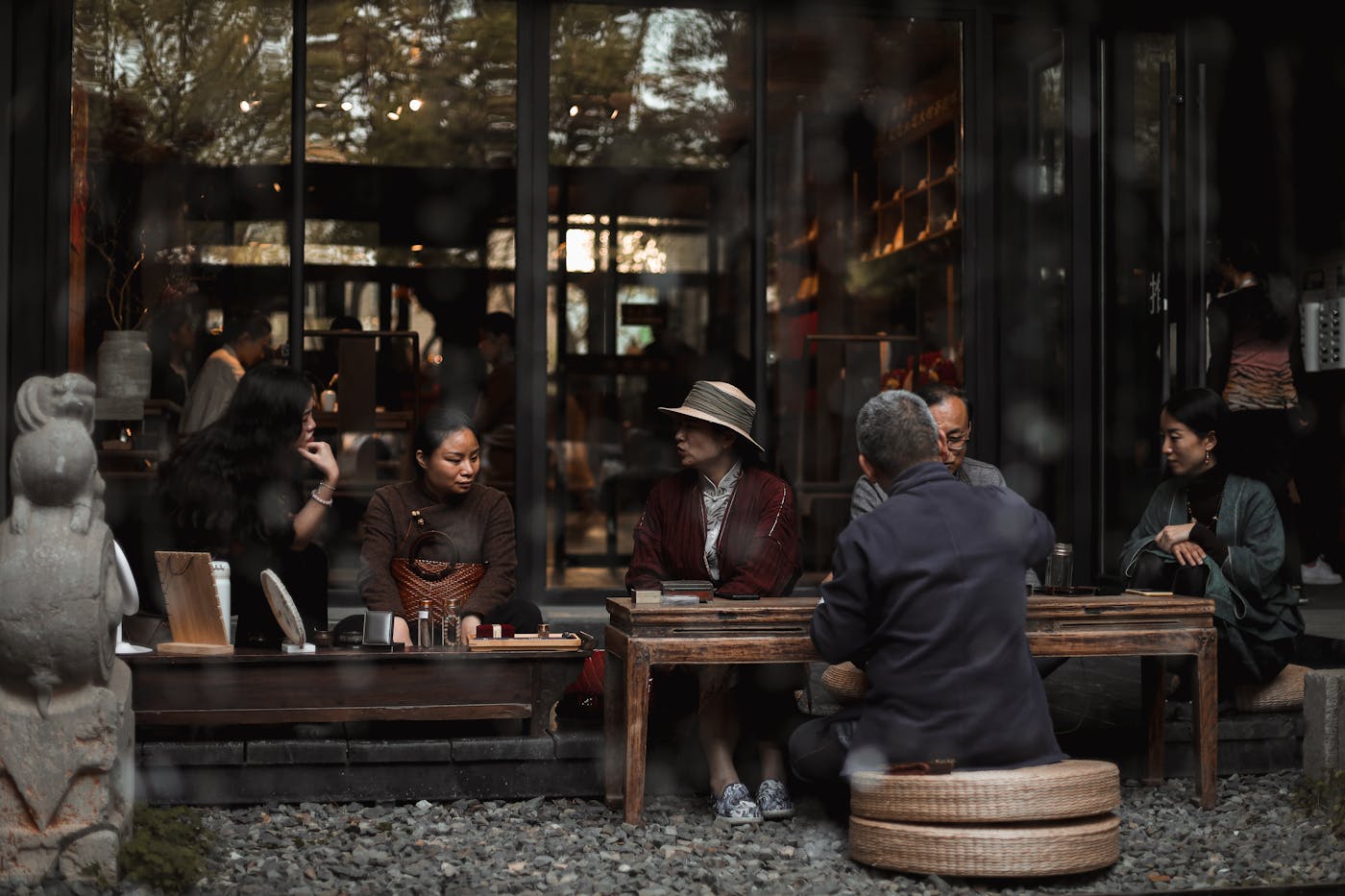
  <img src="/images/blog/outdoor-cafe-friends-talk.jpg" alt="A public low-pressure plan is often the cleanest first move." loading="lazy" />
  <figcaption>A public low-pressure plan is often the cleanest first move.</figcaption>
</figure>

<div id="midpost-newsletter-slot"></div>

## One clarification that keeps the vibe alive

The clean reply is <mark lang="es-MX">va, ¿qué tienes en mente?</mark> If you prefer public, say it early. A surprising number of awkward nights are just two people pretending a vague phrase is clear.

One question, asked lightly, is all it takes. The trick is to ask about the plan rather than about them - what the evening is, not what they want from you. The first is logistics and gets answered in a line; the second is an interrogation and gets a paragraph.[^timeout-first-date-bars]

## Replies that clarify without killing it

| Situation | Use this | Why it works |
|---|---|---|
| Va, ¿café o drinks? | Best for unclear first plan | Friendly and practical |
| Me late, pero prefiero afuera primero | Best for boundaries | Clear without accusing |
| ¿Tipo peli o tipo caminar? | Best when there is chemistry | Playful clarification |
| Como quieras | Weak | Gives away your comfort |

Pick whichever one fits the tone you already have going.

<figure>
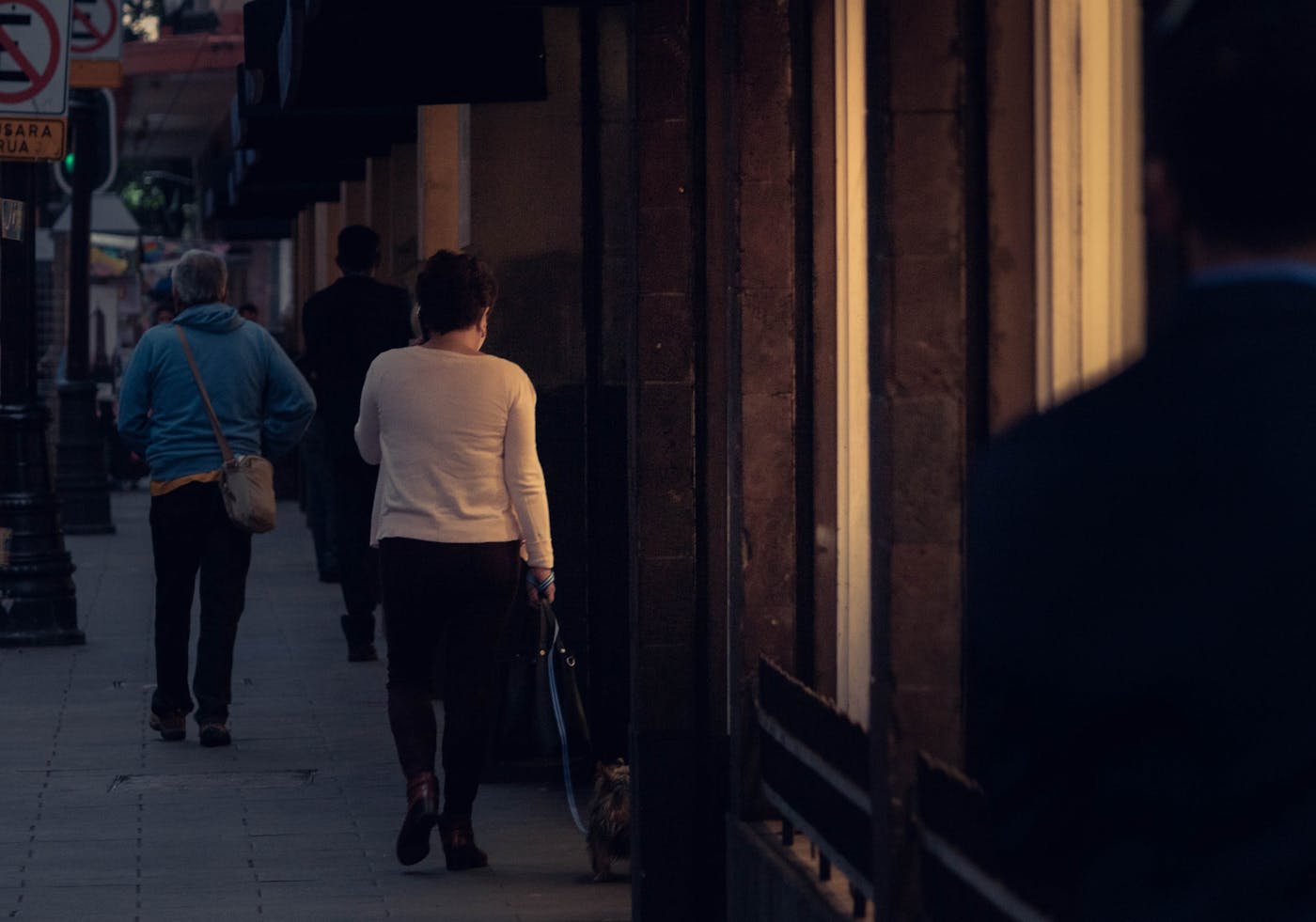
  <img src="/images/blog/cdmx-night-walkers.jpg" alt="Tranqui gets clearer when someone names a place." loading="lazy" />
  <figcaption>Tranqui gets clearer when someone names a place.</figcaption>
</figure>

## Clarifying replies that keep it light

One message with two options in it. That is the whole technique.

<ul class="examples">
  <li class="example">
    <div class="es" lang="es-MX">Va, ¿plan tranqui tipo café o drinks?</div>
    <div class="en" lang="en">Cool, low-key like coffee or drinks?</div>
  </li>
  <li class="example">
    <div class="es" lang="es-MX">Me late, pero prefiero vernos en un lugar público primero.</div>
    <div class="en" lang="en">I am into it, but I prefer meeting in a public place first.</div>
  </li>
  <li class="example">
    <div class="es" lang="es-MX">¿Qué tienes en mente cuando dices tranqui?</div>
    <div class="en" lang="en">What do you have in mind when you say low-key?</div>
  </li>
  <li class="example">
    <div class="es" lang="es-MX">Si es algo relax y temprano, jalo.</div>
    <div class="en" lang="en">If it is something relaxed and early, I am in.</div>
  </li>
</ul>

## Vagueness after a clear question is an answer

The lesson is simple: <mark lang="es-MX">tranqui</mark> can describe the energy, but it cannot replace the plan. Ask for the noun behind the adjective.
If it is still vague after one friendly, specific question, you have your answer. Not necessarily a sinister one - just somebody who does not want to commit to a shape yet, which is itself a fact about the evening.[^doorway-ahorita]

[^rae-plan]: [Diccionario de la lengua española, plan](https://dle.rae.es/plan) - The RAE entry for plan includes both intention/project and a colloquial romantic or casual relation sense, which is why plan can feel innocent and loaded at once.
[^rae-tranquilo]: [Diccionario de la lengua española, tranquilo](https://dle.rae.es/tranquilo) - The RAE entry for tranquilo connects the word to calm, peaceful, and unhurried behavior, useful anchors for tranqui.
[^rae-quedar]: [Diccionario de la lengua española, quedar](https://dle.rae.es/quedar) - The RAE entry for quedar includes agreeing on something and arranging a meeting, the backbone of many dating texts.
[^grindr-bio]: [Grindr, how to describe yourself on dating apps](https://www.grindr.com/blog/dating-app-bio-ideas) - Grindr’s bio guide frames dating-app language as short, flirty, and personality-driven, which matches why tiny phrases matter.
[^timeout-first-date-bars]: [Time Out México, bares para una primera cita en CDMX](https://www.timeoutmexico.mx/ciudad-de-mexico/antros-bares/bares-para-una-primera-cita-cdmx) - Time Out México frames CDMX first dates as a real local genre with bars chosen for conversation, mood, and low-pressure movement.
[^doorway-ahorita]: [Doorway to Mexico, ahorita meaning and examples](https://doorwaytomexico.com/paulina/ahorita-meaning-examples/) - Doorway to Mexico treats ahorita as a flexible Mexican timing word, a key idea for reading vague plans without panicking.

FAQ:
Q: What does plan tranqui mean on a dating app?
A: A low-effort, low-pressure plan. It sets the temperature of the evening and deliberately leaves the content open, which is why it can mean coffee or it can mean staying in.

Q: Is plan tranqui a hookup invitation?
A: Not on its own. The hour and the location decide that, not the phrase. Plan tranqui at four in the afternoon and plan tranqui at midnight are different proposals in identical words.

Q: How do I ask what they actually mean?
A: Give two options instead of asking an open question. Va, ¿tipo café o unos drinks? A menu gets answered; a blank page gets you more fog.

Q: Will asking for details kill the vibe?
A: Asking once with two concrete options does not. Interrogating does. The difference is whether you are making it easier to answer or harder.

Q: How do I keep the first meeting public?
A: Prefiero algo afuera primero, ¿te late? Framing it as your preference means nobody has to defend themselves.

Q: What if they keep it vague after I ask clearly?
A: Treat that as the answer. Repeated vagueness after a friendly, specific question usually means there is no plan and there was not going to be one.

Q: Does tranqui mean they are not interested?
A: No. It is the default register for proposing anything casual in Mexico. Reading it as coldness is the most common overreaction learners have to it.

Q: What is a good low-pressure reply if I am interested but busy?
A: Me late, pero esta semana ando saturado. ¿La otra? It accepts the plan and moves it, which reads very differently from a soft no.

Sources:
- Diccionario de la lengua española, plan: https://dle.rae.es/plan
- Diccionario de la lengua española, tranquilo: https://dle.rae.es/tranquilo
- Diccionario de la lengua española, quedar: https://dle.rae.es/quedar
- Grindr, how to describe yourself on dating apps: https://www.grindr.com/blog/dating-app-bio-ideas
- Time Out México, bares para una primera cita en CDMX: https://www.timeoutmexico.mx/ciudad-de-mexico/antros-bares/bares-para-una-primera-cita-cdmx
- Doorway to Mexico, ahorita meaning and examples: https://doorwaytomexico.com/paulina/ahorita-meaning-examples/

Related words: sale, ahorita, que-onda, antro