---
title: "Qué Oso: Mexican Spanish for Cringe, Awkward Moments, and Tiny Recoveries"
description: "Qué oso means how embarrassing in Mexican Spanish. Learn qué oso, me dio pena, qué pena, and what to say after awkward moments in Mexico."
type: "article"
category: "phrases"
url: "https://consalsa.app/blog/que-oso-embarrassing-moments"
canonical: "https://consalsa.app/blog/que-oso-embarrassing-moments"
published: "2026-07-14"
updated: "2026-07-14"
author: "Andrey the Nomad"
site: "ConSalsa.App"
license: "https://consalsa.app/about"
---
# Qué Oso: Mexican Spanish for Cringe, Awkward Moments, and Tiny Recoveries
URL: https://consalsa.app/blog/que-oso-embarrassing-moments
Date: 2026-07-14
Updated: 2026-07-14
Category: phrases
Keywords: que oso meaning, mexican spanish embarrassing, me dio pena meaning, que pena mexican spanish, awkward phrases in spanish
Summary: Qué oso means how embarrassing in Mexican Spanish. Learn qué oso, me dio pena, qué pena, and what to say after awkward moments in Mexico.
Quick answer:
- Qué oso is a casual Mexican way to say how embarrassing, so cringe, or I am mortified.
- Me dio pena is softer and means I felt embarrassed, shy, or awkward.
- Qué pena can be embarrassment, sympathy, or a light apology depending on the situation.
- After an awkward moment, use a short recovery phrase instead of explaining for five minutes.
What you'll learn:
- How qué oso, me dio pena, and qué pena split up embarrassment in Mexican Spanish.
- Which phrases sound casual, polite, dramatic, or too strong.
- What to say when you mispronounce something, interrupt someone, or make a tiny public mess.
- How to recover warmly without making the room take care of your shame.
Don't sound gringo:
Do not say estoy embarazado unless you mean pregnant. For embarrassed, use me dio pena, me da pena, or qué oso.
Body:
Qué oso is what you say when the embarrassing moment has already walked into the room, sat down, and ordered a drink. In Mexican Spanish, it means "how embarrassing," "so cringe," or "I would like the sidewalk to open politely under my feet."
If you are a US learner, a heritage speaker rebuilding confidence, or someone trying to flirt, order, and exist in CDMX without narrating every mistake, this phrase is a relief. The trick is knowing whether you need a laugh, an apology, or a tiny social repair. Qué oso is great for the laugh. Qué pena and perdón do more repair work.
## Embarrassment phrase map
| Phrase | Best read | Use it when |
|---|---|---|
| Qué oso | How embarrassing / cringe | A casual awkward moment |
| Me dio pena | I felt embarrassed | You are explaining how you felt |
| Me da pena | I feel shy / awkward | Before asking or doing something |
| Qué pena | Sorry / what a shame / how embarrassing | You need softness or sympathy |
| Híjole, perdón | Oof, sorry | You caused a small problem |
RAE defines oso first as the animal, of course.[^rae-oso] But in Mexican casual speech, hacer el oso and qué oso live in the embarrassment zone. RAE and DEM both show how wide pena can be, from sorrow to shame to social discomfort.[^rae-pena][^dem-pena]
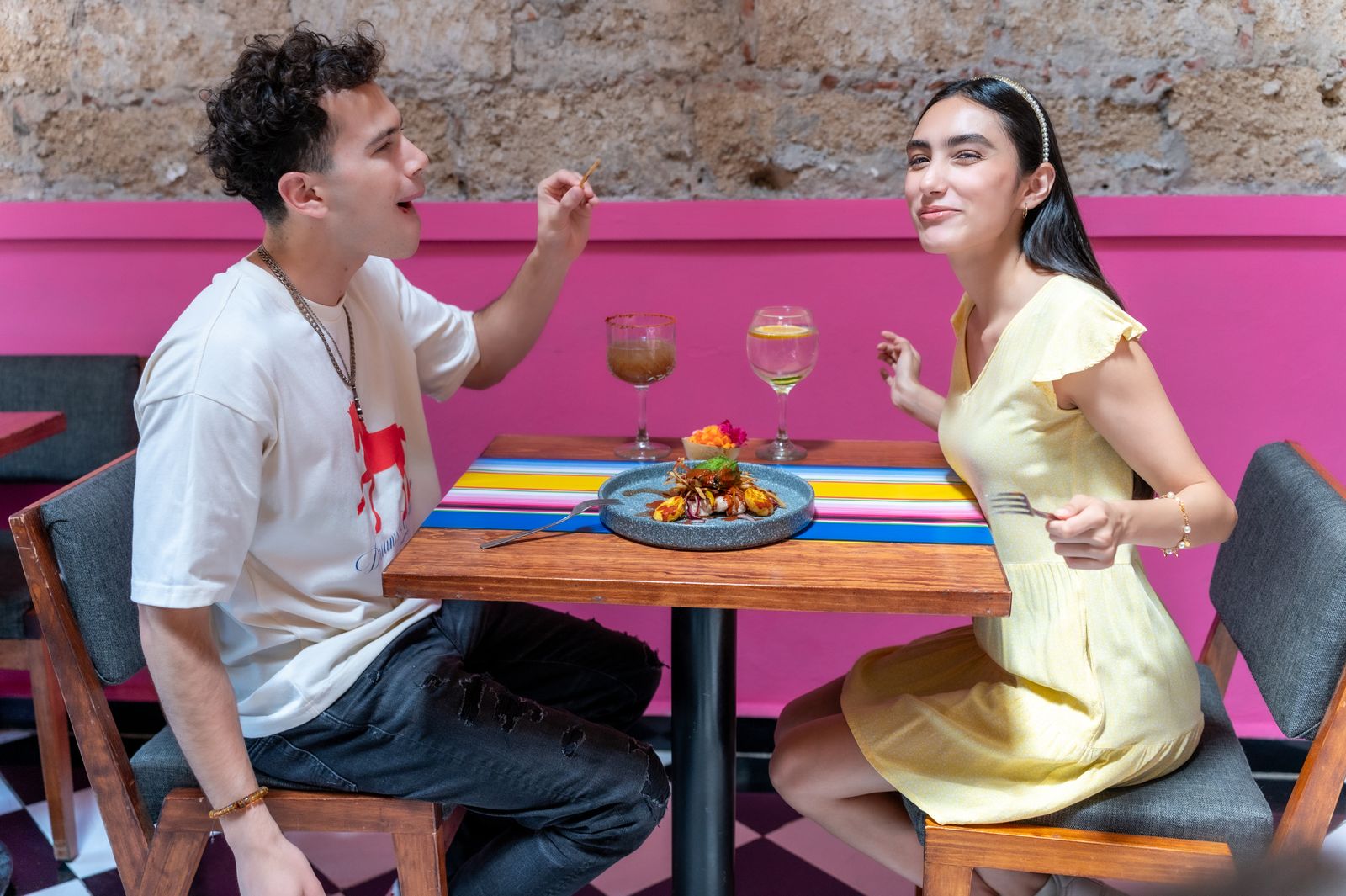
Embarrassing moments usually happen in small public scenes: a cafe, a table, a group conversation. Photo by Anya Juárez Tenorio on Pexels.
## When qué oso is perfect
Use qué oso when the situation is awkward but not serious. You used the wrong word at a taco stand. You waved at someone who was waving at the person behind you. You confidently pushed a door that said pull. You introduced your roommate as your partner because your brain grabbed the wrong relationship file. Humanity continues.
Ay, qué oso, pensé que me estabas saludando a mí.
Oh no, how embarrassing, I thought you were saying hi to me.
Qué oso, lo dije mal otra vez.
So embarrassing, I said it wrong again.
The phrase works because it makes the moment lighter. **You are not asking the whole table to rescue you emotionally.** You are naming the awkwardness and letting everyone laugh with you, which is often warmer than pretending nothing happened while your ears go red.
## When qué pena is better
Qué pena is softer and more polite. It can mean "how embarrassing," but it can also mean "sorry about that" or "what a shame." If you interrupted someone, spilled something, arrived late to a meetup, or made a small inconvenience, qué pena usually lands better than qué oso.
| Situation | Better phrase | Why |
|---|---|---|
| You mispronounced a word | Qué oso | Casual self-laugh |
| You interrupted someone | Qué pena, perdón | Needs repair |
| You arrived late | Qué pena, se me hizo tarde | Explains briefly |
| You misunderstood a joke | Me dio pena, no entendí | Names the feeling |
| You caused extra work | Disculpa, lo arreglo | Repair matters more |
RAE lists vergüenza as shame or embarrassment, but everyday Mexican Spanish often reaches for pena in softer social moments.[^rae-verguenza] That softness is useful. It keeps you from sounding like you are making a courtroom confession because you dropped a napkin.
## The false friend you must avoid
English "embarrassed" is a trap. Embarazado means pregnant.[^rae-embarazado] If you say estoy embarazado because you feel awkward, the room may have a beautiful little second of silence.
Say this instead:
Me dio pena.
I felt embarrassed.
Me da pena preguntar, pero...
I feel awkward asking, but...
Qué oso, me equivoqué.
How embarrassing, I messed up.
Qué oso works best when everyone can laugh and move on. Photo by Israel Torres on Pexels.
## How to recover without overexplaining
The most gringo move is not making the mistake. Everyone makes mistakes. The gringo move is turning a tiny mistake into a TED Talk about your relationship with Spanish while the server, date, cousin, or coworker is simply trying to continue the day.
Try this sequence instead: name it, repair it if needed, keep moving.
| You did this | Say this | Then |
|---|---|---|
| Said the wrong word | Qué oso, lo dije mal | Try again |
| Bumped someone | Perdón, perdón | Move aside |
| Interrupted | Perdón, sigue | Give the floor back |
| Asked a shy question | Me da pena preguntar, pero... | Ask clearly |
| Made a small mess | Qué pena, ahorita lo limpio | Fix it |
Perdón and disculpa are your repair tools; qué oso is your comedy cushion. FundéuRAE is useful here as a general language authority because these little written forms and usage habits matter when learners copy phrases from the internet into real life.[^fundeu]
## Tone and safety
Use qué oso with friends, dates, classmates, and casual coworkers. It is especially handy in low-stakes CDMX moments: a cafe mispronunciation, a group-photo stumble, a message you sent to the wrong chat. Avoid it when someone is genuinely upset, when you damaged something, or when the situation needs accountability. In those moments, go with perdón, disculpa, and the fix.
Also, do not use qué oso to embarrass another person unless you already have that kind of relationship. Saying it about yourself is safe. Saying it at someone else can sound like pointing a spotlight at their mistake.
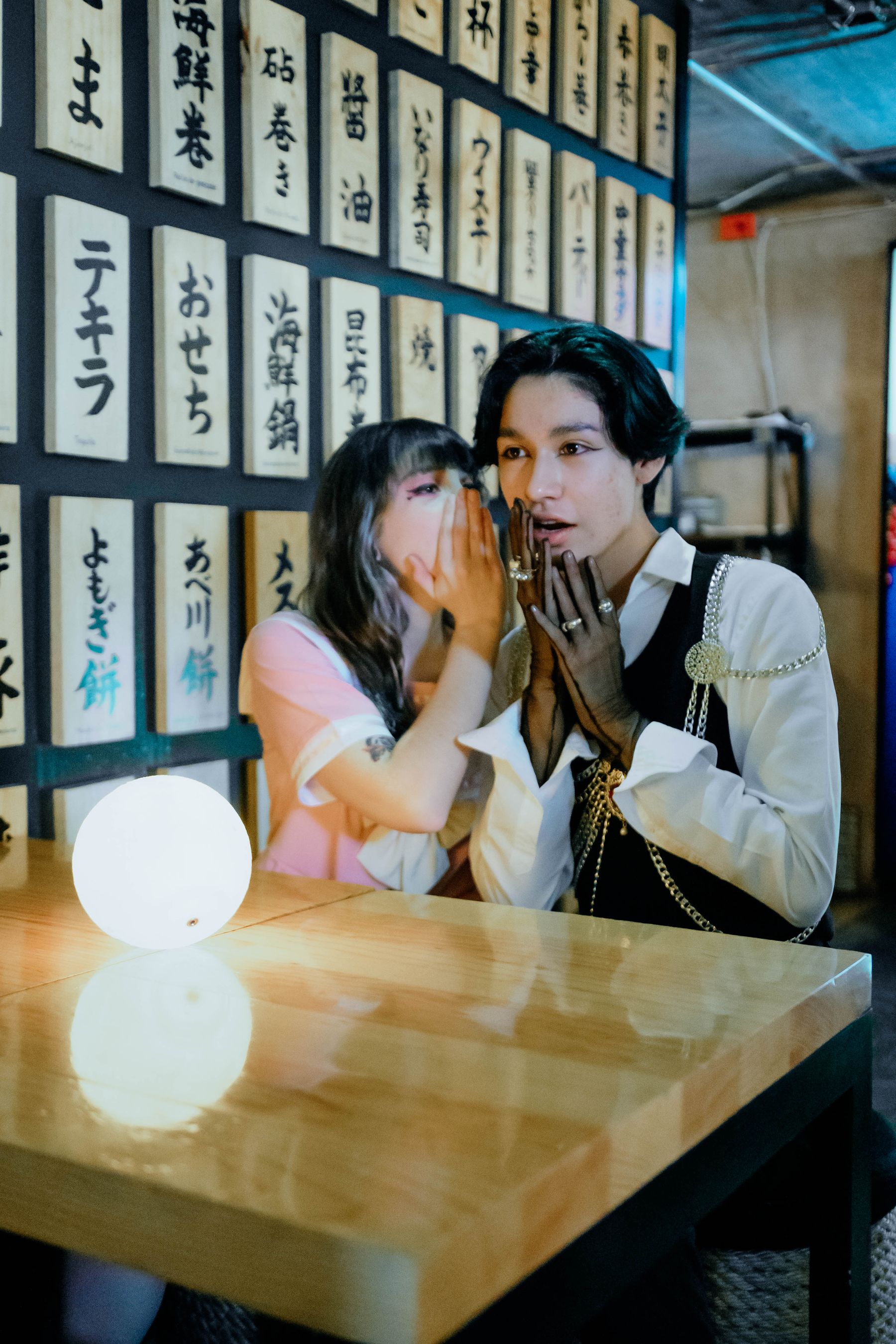
A whispered qué oso can be friendly; a shouted one can make the moment worse. Photo by Ali Alcántara on Pexels.
The cleanest version is simple: **laugh when it is yours, repair when it affects someone else.** That one rule will save you from most awkward Spanish moments in Mexico.
[^rae-oso]: [Diccionario de la lengua española, oso](https://dle.rae.es/oso) - Real Academia Española.
[^rae-pena]: [Diccionario de la lengua española, pena](https://dle.rae.es/pena) - Real Academia Española.
[^dem-pena]: [Diccionario del español de México, pena](https://dem.colmex.mx/ver/pena) - El Colegio de México.
[^rae-verguenza]: [Diccionario de la lengua española, vergüenza](https://dle.rae.es/verg%C3%BCenza) - Real Academia Española.
[^rae-embarazado]: [Diccionario de la lengua española, embarazado](https://dle.rae.es/embarazado) - Real Academia Española.
[^fundeu]: [FundéuRAE](https://www.fundeu.es/) - Fundación del Español Urgente.
FAQ:
Q: What does qué oso mean in Mexican Spanish?
A: Qué oso means how embarrassing, so embarrassing, or that was cringe. It is casual and common in Mexico.
Q: Is qué oso rude?
A: No, qué oso is not rude by itself. It is informal, so use it with friends or relaxed situations, not formal apologies.
Q: What is the difference between qué oso and me dio pena?
A: Qué oso reacts to a specific embarrassing moment. Me dio pena describes how you felt: embarrassed, shy, or awkward.
Q: Can qué pena mean I am sorry?
A: Yes. Qué pena can soften a small apology, but if you caused a real problem, add perdón or disculpa.
Q: How do Mexicans say I am embarrassed?
A: Use me dio pena for something that happened or me da pena for something you feel shy about now.
Q: Is oso literally bear?
A: Yes, oso literally means bear, but qué oso is an expression for an embarrassing moment.
Q: What should I say after an awkward mistake in Spanish?
A: Say qué pena, perdón, me equivoqué, or híjole, qué oso, then move on.
Sources:
- Diccionario de la lengua española, oso: https://dle.rae.es/oso
- Diccionario de la lengua española, pena: https://dle.rae.es/pena
- Diccionario del español de México, pena: https://dem.colmex.mx/ver/pena
- Diccionario de la lengua española, vergüenza: https://dle.rae.es/verg%C3%BCenza
- Diccionario de la lengua española, embarazado: https://dle.rae.es/embarazado
- FundéuRAE: https://www.fundeu.es/
Related words: hijole, chale, no-manches, mande