---
title: "The Phrases You Need Before Going Out in Roma, Condesa, and Juárez"
description: "Cantina, bar, antro and pulquería are four different nights, not synonyms. Plus cover, pre, jalas, caile - and why Condesa is shaped like a racetrack."
type: "article"
category: "going_out"
url: "https://consalsa.app/blog/roma-condesa-juarez-nightlife-spanish"
canonical: "https://consalsa.app/blog/roma-condesa-juarez-nightlife-spanish"
published: "2026-06-09"
updated: "2026-08-20"
author: "Andrey the Nomad"
site: "ConSalsa.App"
license: "https://consalsa.app/about"
---
# The Phrases You Need Before Going Out in Roma, Condesa, and Juárez
URL: https://consalsa.app/blog/roma-condesa-juarez-nightlife-spanish
Date: 2026-06-09
Updated: 2026-08-20
Category: going_out
Keywords: cdmx nightlife spanish, roma condesa juarez spanish, diferencia cantina bar antro, antro chelas cover caile, jalas meaning mexican spanish, condesa hipodromo history
Summary: Cantina, bar, antro and pulquería are four different nights, not synonyms. Plus cover, pre, jalas, caile - and why Condesa is shaped like a racetrack.
Quick answer:
- Cantina, bar, antro and pulquería are four different kinds of night, not four words for the same place - picking the wrong one gets you the wrong evening.
- Cover is the door charge and it is normal at antros. Ask before you queue: ¿hay cover? ¿cuánto?
- Jalas means are you in, caile means come through, and el pre is the drinks at someone's place beforehand.
- Condesa's curved streets trace a horse-racing track that closed in 1925 - Avenida Ámsterdam is the old oval.
What you'll learn:
- The four venue words, and what kind of night each one actually promises.
- Door and money vocabulary: cover, consumo mínimo, la cuenta, va por mi cuenta.
- Group logistics: el pre, jalas, caile, ¿dónde andan?, ya me lanzo.
- Why Roma and Condesa look the way they do, and what the 1985 earthquake had to do with it.
Don't sound gringo:
Don't call everything an antro. If you want conversation, say cantina or bar - antro means loud, dark and dancing, and you'll get exactly that whether you wanted it or not.
Body:
Most nightlife phrasebooks hand you antro, chelas and cover and call it a night. The problem is that the first of those words is not a general term for "going out" - and using it that way is how people end up shouting over reggaetón when what they wanted was a conversation.
**Four words, four different evenings.** Get this right and the rest is easy.
## Cantina, bar, antro, pulquería
| Word | What it actually is | What kind of night |
|---|---|---|
| Cantina | Traditional, popular, often old | Talking, food, dominoes, beers |
| Bar | More polished, cocktails, current music | Drinks with conversation still possible |
| Antro | Club: loud, dark, dancing | Dancing, cover charge, later |
| Pulquería | Pulque and curados | Cheap, distinctive, its own world |
| Terraza | Rooftop or open-air | Condesa's default summer answer |
The cantina is where people go to sit down and talk - the Mexican tradition is a popular, unfussy place for drinks, food and conversation, and plenty of them have been open for generations.[^larousse-cantina][^sol-cantina-bar] A bar is generally more polished, with cocktails and whatever music is current.[^sol-cantina-bar]
Antro is the one that surprises people. The word originally meant a dark or disreputable place - a den - and the Academia Mexicana de la Lengua's language column traces exactly that shift into today's nightlife sense.[^aml-antro] In modern usage it means a club: loud, dark, dancing, and usually a door charge.
So if you want to hear what your friends are saying, don't say antro.
Gets you the night you asked for
¿Jalan a una cantina? — talking, beers, probably food
¿Vamos a un bar por aquí? — cocktails, still conversational
¿Le caemos a un antro? — dancing, and say so
¿Hay terraza? — the Condesa question
Gets you somewhere else
Calling every venue an antro
¿Vamos a una disco? — dated in Mexico City
Queuing without asking about the cover
Arriving at nine and wondering where everyone is
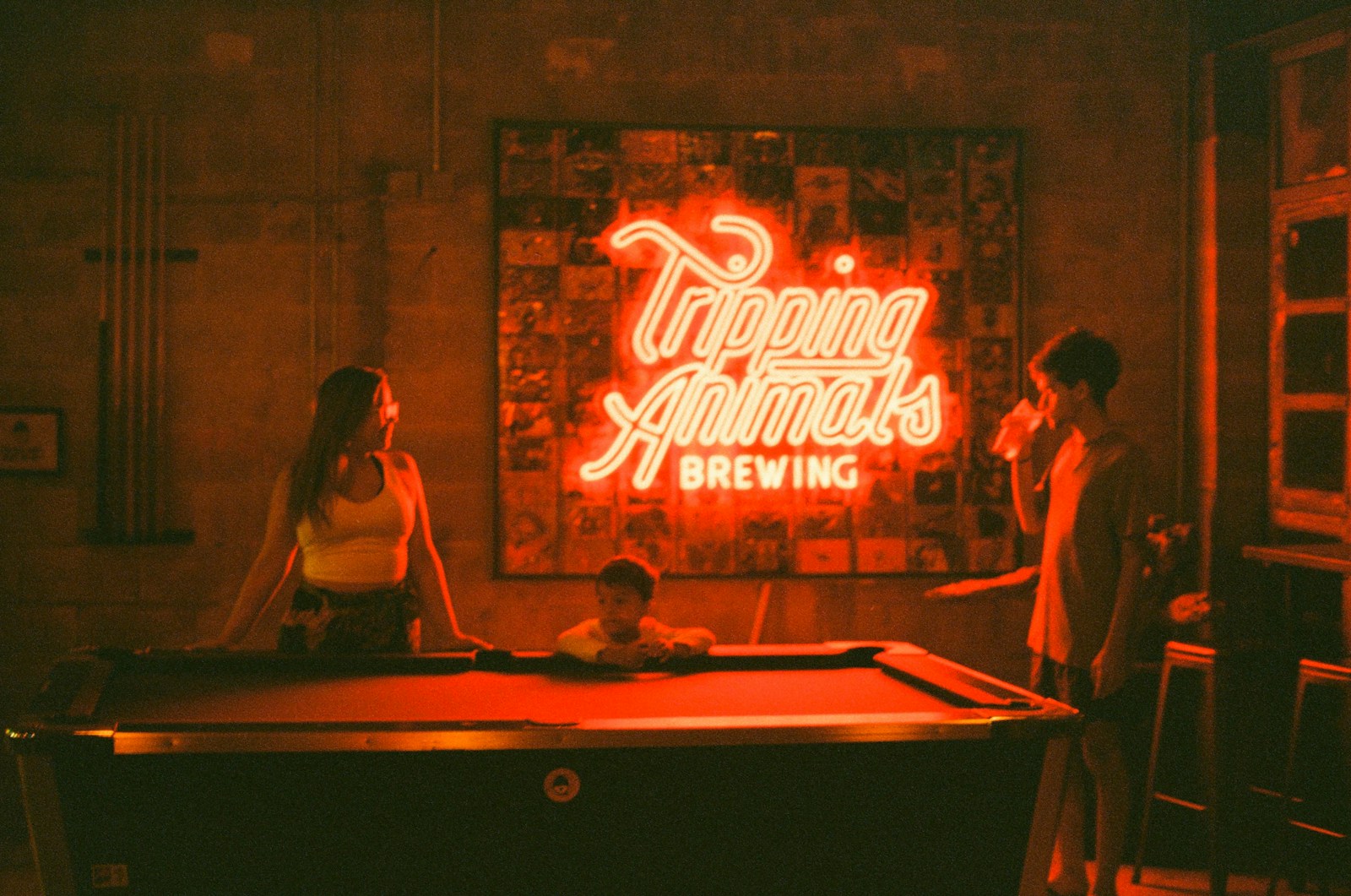
Bar, cantina or antro? The word you use when you propose the night decides which of these rooms you end up in. Photo by Ruben Mavarez on Unsplash.
## You're going out inside a racetrack
Here's the thing about Condesa that changes how the neighborhood looks once you know it.
The **Hipódromo de la Condesa** - a horse-racing track - opened in 1910 and stopped racing in 1925, when the Jockey Club sold the land.[^eluniversal-hipodromo][^mexdesconocido-hipodromo] The neighborhood was laid out on top of it, deliberately breaking with the city's grid, and **Avenida Ámsterdam follows the shape of the old oval**.[^cdmx-amsterdam] Parque México was inaugurated in 1927 on the track's own ground.[^mexdesconocido-hipodromo]
So when you loop around Ámsterdam at two in the morning trying to find your way back to a main road, you're walking a racecourse. The three roundabouts along it are named after Mexican volcanoes: Popocatépetl, Iztaccíhuatl and Citlaltépetl.
There is one more layer under tonight. Roma and Condesa were badly damaged in the 1985 earthquake; many residents sold up and left, and both neighborhoods spent years half-empty with rents to match.[^eluniversal-feas] Cheap space in beautiful, battered buildings is what pulled artists and young people back in the 1990s - the direct ancestor of the bar-and-terrace scene you're heading into.
A meeting point that actually works
On a street where every block looks like the last one, name a roundabout: nos vemos en la glorieta de Popocatépetl.
The three glorietas along Ámsterdam are named after Mexican volcanoes, and they're the only unambiguous landmarks on the whole oval.
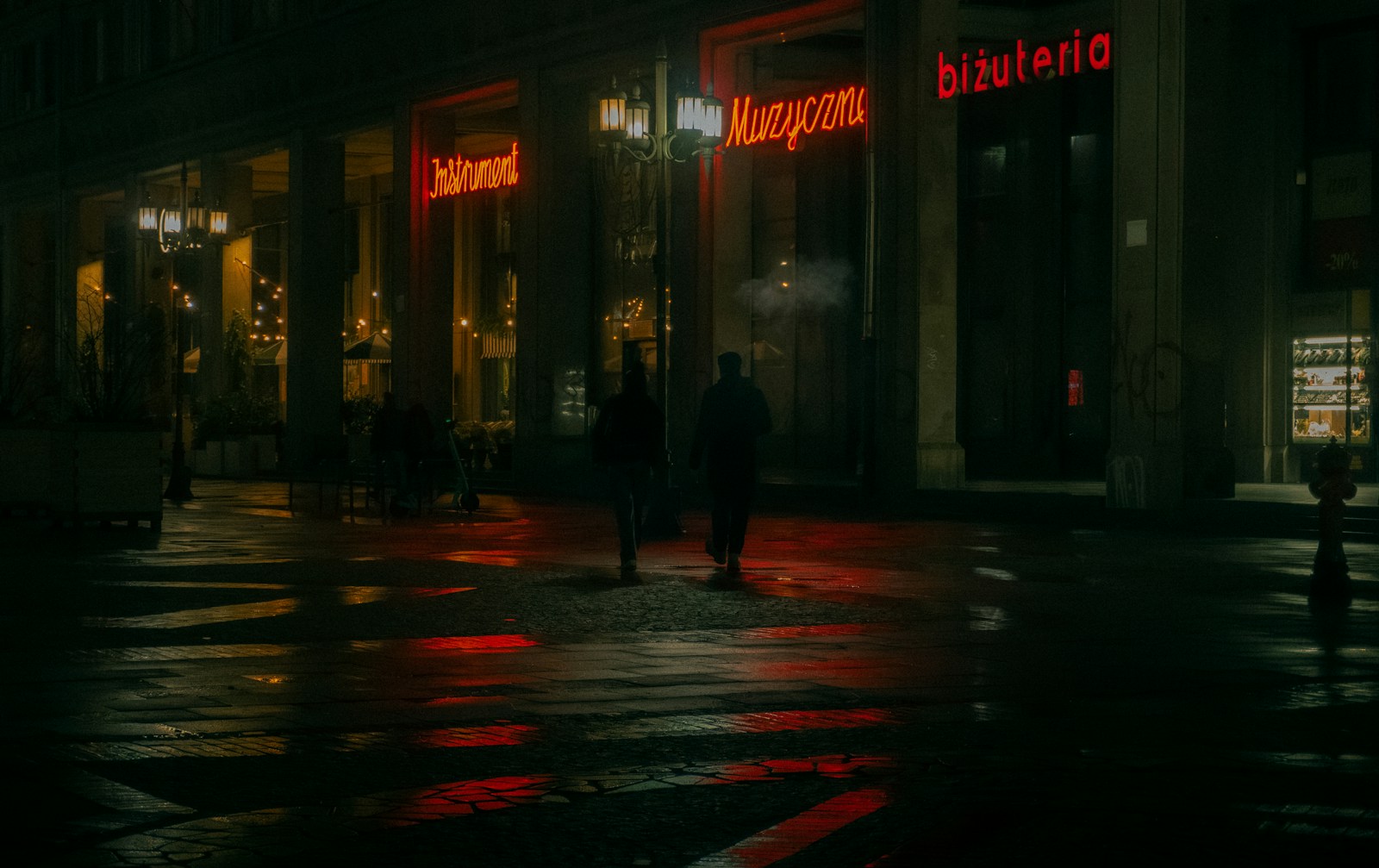
The oval is easiest to feel at night, when you keep arriving somewhere you have already been. Photo by Lacyec on Unsplash.
## The three neighborhoods have different nights
They get named together constantly and they aren't the same. Roughly:
- **Roma** (Norte especially) - the densest concentration, mixed crowd, everything from mezcalerías to natural-wine places to proper antros. Where most nights start.
- **Condesa** - greener, more terraces, more residential, slightly older crowd. Sitting outside is the point.
- **Juárez** - includes Zona Rosa, and it is the center of gay nightlife in the city. Also increasingly where the newer bars open.
Naming the right one when you're coordinating saves everyone a taxi.
a night being organizednote the times
¿Jalas al pre en mi casa como a las 9?You in for pre-drinks at mine around 9?
Jalo, ¿y de ahí a dónde?I'm in - and then where?
Nos lanzamos a un bar en la Roma como a las 11We'll head to a bar in Roma around 11
Va. Caile, yo llevo algoCool. I'll come through, I'll bring something
Pre-drinks at nine, out at eleven. That's not people being slow - almost nothing is busy before eleven, which is exactly why "el pre" exists as a fixed part of the plan.
## Money at the door and money at the table
before you queue¿Hay cover? ¿Cuánto y qué incluye?Is there a cover? How much, and what does it include?Covers sometimes include drinks. Asking takes five seconds and occasionally saves the whole budget.
the hidden one¿Hay consumo mínimo?Is there a minimum spend?A place with no cover may have one of these instead. It can work out more expensive than the cover would have been.
at the table¿Nos traes la cuenta? Va separado, porfa.Can you bring the bill? Separate, please.Say separado when you order, not at the end. Much easier for everyone.
the social moveÉsta va por mi cuenta.This round's on me.Buying a round is worth more socially than splitting exactly. It also comes back around.
## Leaving, and the message afterward
The graceful exit is a small skill and it's the same everywhere: go, don't take anyone with you, and say you got home.
Ya me lanzo, ustedes sigan. Les aviso cuando llegue.
I'm heading off, you all stay. I'll let you know when I'm home.
Ya llegué, buenas noches.
Made it home, good night.
The boring, useful part
Order your ride from inside the venue rather than the street, share your location with someone in the group, and don't leave a drink unattended. Te comparto mi ubicación and ya llegué are two of the most-used sentences in any CDMX group chat, and they're used by everyone, not just visitors.
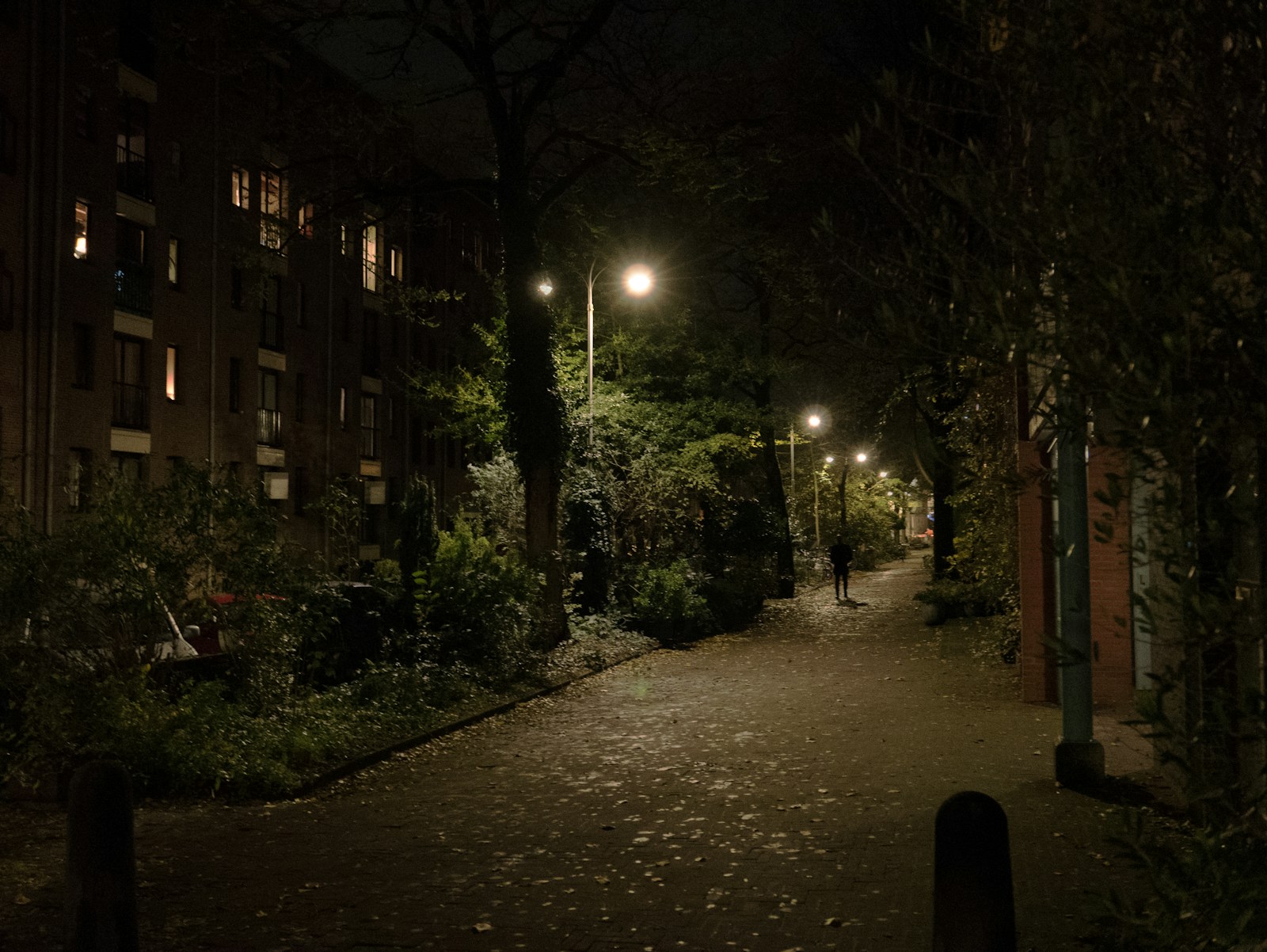
The last message of the night is always the same two words, and people genuinely wait for it. Photo by Fons Heijnsbroek on Unsplash.
None of this is complicated Spanish. It's four venue words, two questions at the door, and the discipline to text when you get home - in a neighborhood built on a racetrack, which is the kind of detail that makes a two-in-the-morning walk considerably more interesting.
[^aml-antro]: [antro, Minucias del lenguaje](https://academia.org.mx/consultas/obras-de-consulta-en-linea/diccionario-minucias-del-lenguaje/item/antro) — Academia Mexicana de la Lengua
[^larousse-cantina]: [cantina](https://laroussecocina.mx/palabra/cantina/) — Larousse Cocina
[^sol-cantina-bar]: [¿Qué prefieres, cantina o bar? Estas son sus diferencias](https://oem.com.mx/elsoldelcentro/tendencias/que-prefieres-cantina-o-bar-estas-son-sus-diferencias-13600079) — El Sol del Centro
[^eluniversal-hipodromo]: [Cuando la Condesa era una pista de carreras para caballos](https://www.eluniversal.com.mx/entrada-de-opinion/colaboracion/mochilazo-en-el-tiempo/nacion/sociedad/2016/08/1/la-colonia-que-fue/) — El Universal
[^cdmx-amsterdam]: [Avenida Ámsterdam](https://mexicocity.cdmx.gob.mx/venues/avenida-amsterdam/) — Gobierno de la Ciudad de México
[^mexdesconocido-hipodromo]: [Hipódromo-Condesa](https://www.mexicodesconocido.com.mx/hipodromo-condesa.html) — México Desconocido
[^eluniversal-feas]: [Cuando la Roma y la Condesa eran colonias feas](https://www.eluniversal.com.mx/colaboracion/mochilazo-en-el-tiempo/nacion/sociedad/cuando-la-roma-y-la-condesa-eran-colonias-feas/) — El Universal
FAQ:
Q: What does antro mean in Mexico?
A: A nightclub - loud music, dancing, usually a door charge, often a dress code. The word once meant a dive or a den of ill repute, and the modern nightlife sense grew out of that.
Q: What's the difference between a cantina and a bar?
A: A cantina is the traditional, popular kind of place - drinks, conversation, food, dominoes, often decades old. A bar is generally more polished, with cocktails and current music. Cantinas are for talking; antros are for dancing.
Q: What is a pulquería?
A: A distinctly Mexican establishment serving pulque, including curados - pulque blended with seasonal fruit. Several old ones survive around the Centro and there are newer ones in Roma and Juárez.
Q: What is cover in Mexican nightlife?
A: The entrance fee, borrowed straight from English. Ask ¿hay cover? ¿cuánto? before you commit to the queue, and also ask whether it includes drinks - sometimes it does.
Q: What is consumo mínimo?
A: A minimum spend. Some places waive the cover but require you to spend a certain amount inside, which can work out more expensive. Worth asking about at the door.
Q: What does jalas mean?
A: Are you in, are you coming. It's the standard casual invitation among friends and the expected answer is jalo or hoy no jalo.
Q: What does caile mean?
A: Come through, come over. Very casual, used among friends, and usually attached to a place: caile a la casa, caile al bar.
Q: What is el pre?
A: The pre-game - drinks at someone's apartment before going out. It's a real part of the plan in Mexico City, partly because nothing gets busy until late.
Q: What time does nightlife start in Mexico City?
A: Later than most visitors expect. Bars fill up around eleven and antros later than that, which is exactly why el pre exists.
Q: Why do Condesa's streets curve?
A: Because the neighborhood was built on a horse-racing track. The Hipódromo de la Condesa opened in 1910 and closed in 1925, and Avenida Ámsterdam follows the shape of the old oval.
Sources:
- Academia Mexicana de la Lengua, antro (Minucias del lenguaje): https://academia.org.mx/consultas/obras-de-consulta-en-linea/diccionario-minucias-del-lenguaje/item/antro
- El Universal, Cuando la Condesa era una pista de carreras para caballos: https://www.eluniversal.com.mx/entrada-de-opinion/colaboracion/mochilazo-en-el-tiempo/nacion/sociedad/2016/08/1/la-colonia-que-fue/
- Mexico City official guide, Avenida Ámsterdam: https://mexicocity.cdmx.gob.mx/venues/avenida-amsterdam/
- México Desconocido, Hipódromo-Condesa: https://www.mexicodesconocido.com.mx/hipodromo-condesa.html
- El Universal, Cuando la Roma y la Condesa eran colonias feas: https://www.eluniversal.com.mx/colaboracion/mochilazo-en-el-tiempo/nacion/sociedad/cuando-la-roma-y-la-condesa-eran-colonias-feas/
- El Sol del Centro, ¿Qué prefieres, cantina o bar? Estas son sus diferencias: https://oem.com.mx/elsoldelcentro/tendencias/que-prefieres-cantina-o-bar-estas-son-sus-diferencias-13600079
- Larousse Cocina, cantina: https://laroussecocina.mx/palabra/cantina/
Related words: antro, chela, sale, que-onda