---
title: "What Is Mictlán? The Underworld Journey Behind So Much Día de Muertos Imagery"
description: "Learn what Mictlán means in Mexica belief, why the journey matters, and how Coco borrows from underworld imagery without being a textbook."
type: "article"
category: "guides"
url: "https://consalsa.app/blog/what-is-mictlan"
canonical: "https://consalsa.app/blog/what-is-mictlan"
published: "2026-10-17"
updated: "2026-10-17"
author: "Andrey the Nomad"
site: "ConSalsa.App"
license: "https://consalsa.app/terms#ip"
---
# What Is Mictlán? The Underworld Journey Behind So Much Día de Muertos Imagery
URL: https://consalsa.app/blog/what-is-mictlan
Date: 2026-10-17
Updated: 2026-10-17
Category: guides
Keywords: what is mictlan, mictlan meaning, aztec underworld coco
Summary: Learn what Mictlán means in Mexica belief, why the journey matters, and how Coco borrows from underworld imagery without being a textbook.
Quick answer:
- Mictlán is the Mexica underworld or place of the dead in pre-Hispanic belief.
- It is often described as a difficult journey with stages before rest.
- Modern Día de Muertos imagery may echo underworld ideas, but the holiday is not only Mictlán mythology.
- Use care: these are Indigenous cosmological ideas, not fantasy lore to flatten.
What you'll learn:
- What Mictlán means in Mexica/Nahua worldview.
- Why it is not the same as the Christian idea of hell.
- Why people talk about a journey and nine levels.
- How to mention Mictlán carefully in Spanish conversation.
Don't sound gringo:
Do not translate Mictlán as 'Mexican hell.' That imports a Christian frame and flattens a Mexica cosmology.
Body:
Mictlán is the Mexica underworld or place of the dead in pre-Hispanic belief. It is often described as a difficult journey with stages before rest.[^src1]
Mictlán is tempting to file under "cool mythology word," especially if you first met it through movies or art. But the better learner instinct is slower: this word touches cosmology, death, and Indigenous histories that deserve more care than a quick fantasy translation.[^src4]
## Mictlán is not just hell
Mictlán belongs to a Mexica/Nahua way of imagining death and the afterlife. It is often described as the place of the dead, reached through a long journey.[^src2] That journey matters because death is not treated as an instant scene change; it has passage, difficulty, and ritual care around it.
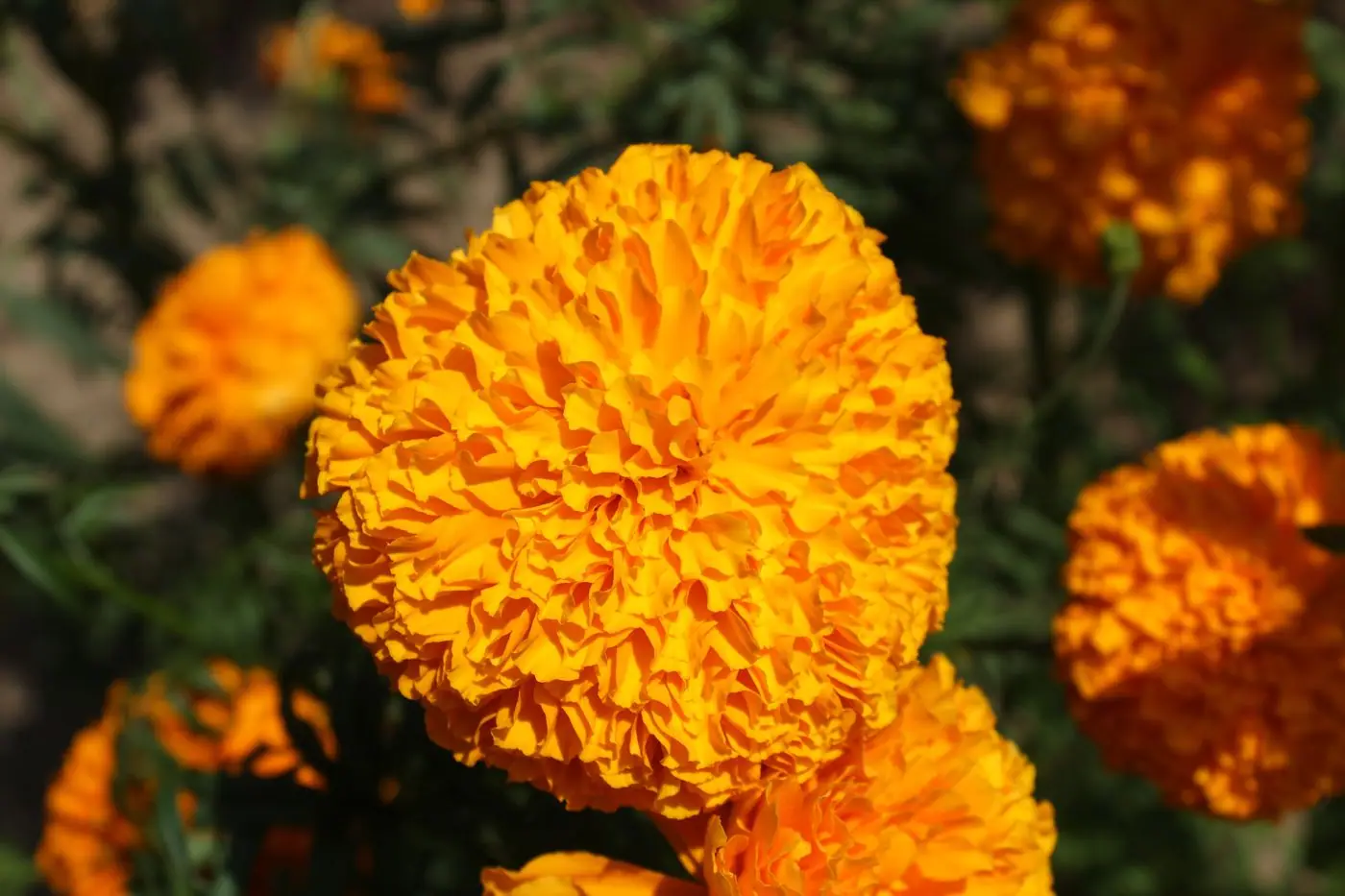
Mictlán visuals should feel reflective and mythic without turning Indigenous cosmology into generic fantasy.
## The journey matters more than the map
The common shortcut "Mexican hell" is misleading. Hell brings Christian punishment language. Mictlán is better understood as an underworld or place of the dead, and even that English phrasing is only an approximation.[^src3] Good Spanish learning includes knowing when your translation is incomplete.
## Why people mention nine levels
The nine-level explanation is popular because it gives people a map: regions, obstacles, and movement.[^src5] Do not treat the number like video-game trivia. Treat it as a clue that this worldview imagined death as a process, not a one-sentence definition. That process shows up in physical form on a tiered ofrenda, where [the levels of a Day of the Dead altar](/blog/day-of-the-dead-altar-objects) are read as stages rather than decoration.
¿Qué significa?
What does it mean?
¿Cómo lo dicen ustedes?
How do you all say it?
Gracias, así lo digo mejor.
Thanks, now I can say it better.
## How Coco borrows the feeling
In conversation, humility sounds better than certainty. Try he leído un poco sobre el Mictlán or ¿esto está inspirado en el Mictlán?. Those lines leave room for someone else to correct, deepen, or localize the explanation.
## Tone: cosmology is not merch
Mictlán is a place in a cosmology people still take seriously, not set dressing. Using the word is fine. Using it as a synonym for spooky is the thing that makes Mexicans wince.
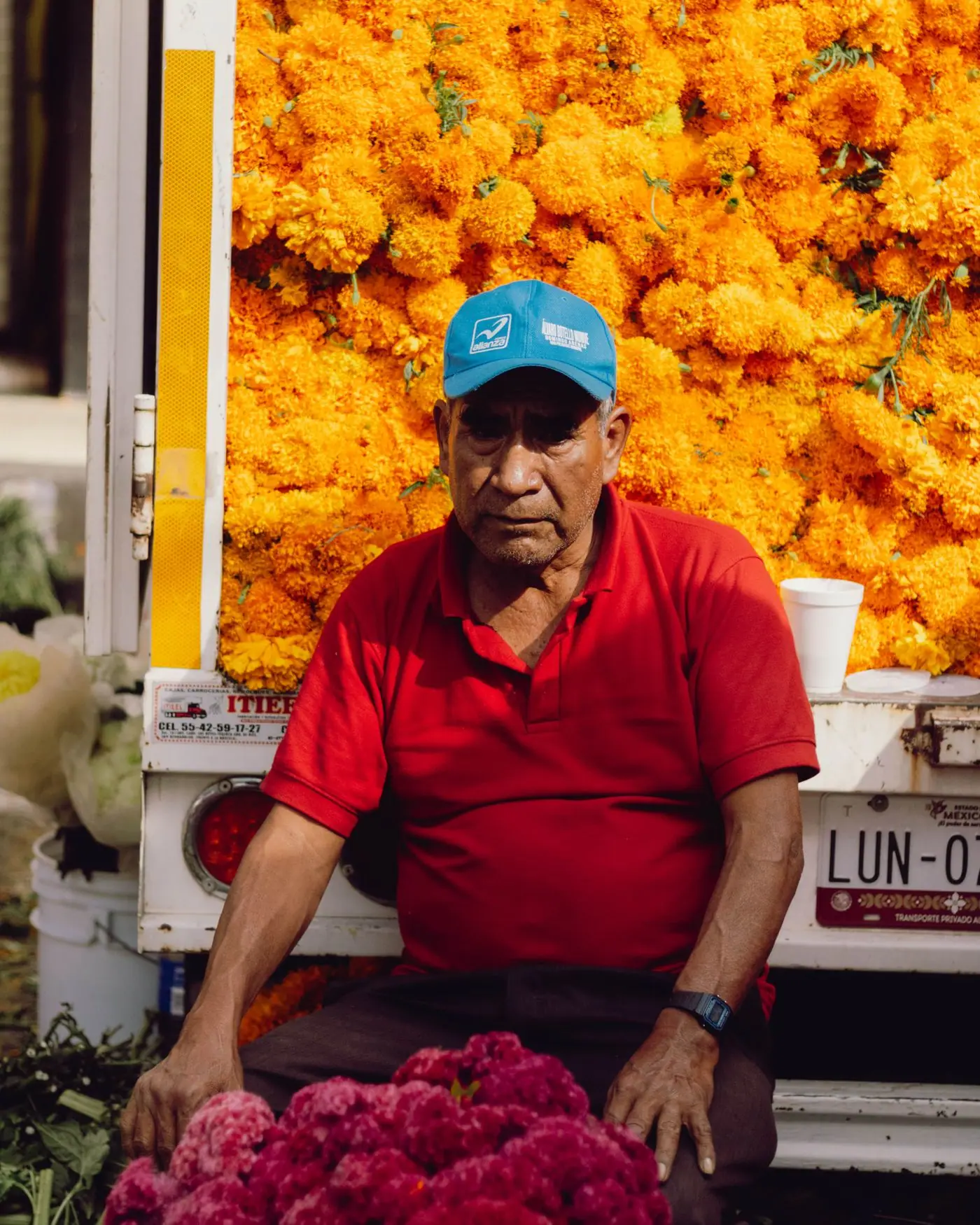
Public art or symbolic imagery works best when the caption keeps the language careful.
| Situation | Better move | Why |
|---|---|---|
| You are unsure | ¿Qué significa? | Short and honest |
| You need local usage | ¿Cómo lo dicen ustedes? | Invites lived context |
| You might overstep | Lo digo con respeto | Lowers the temperature |
| Someone corrects you | Gracias, así lo digo mejor | Keeps connection open |
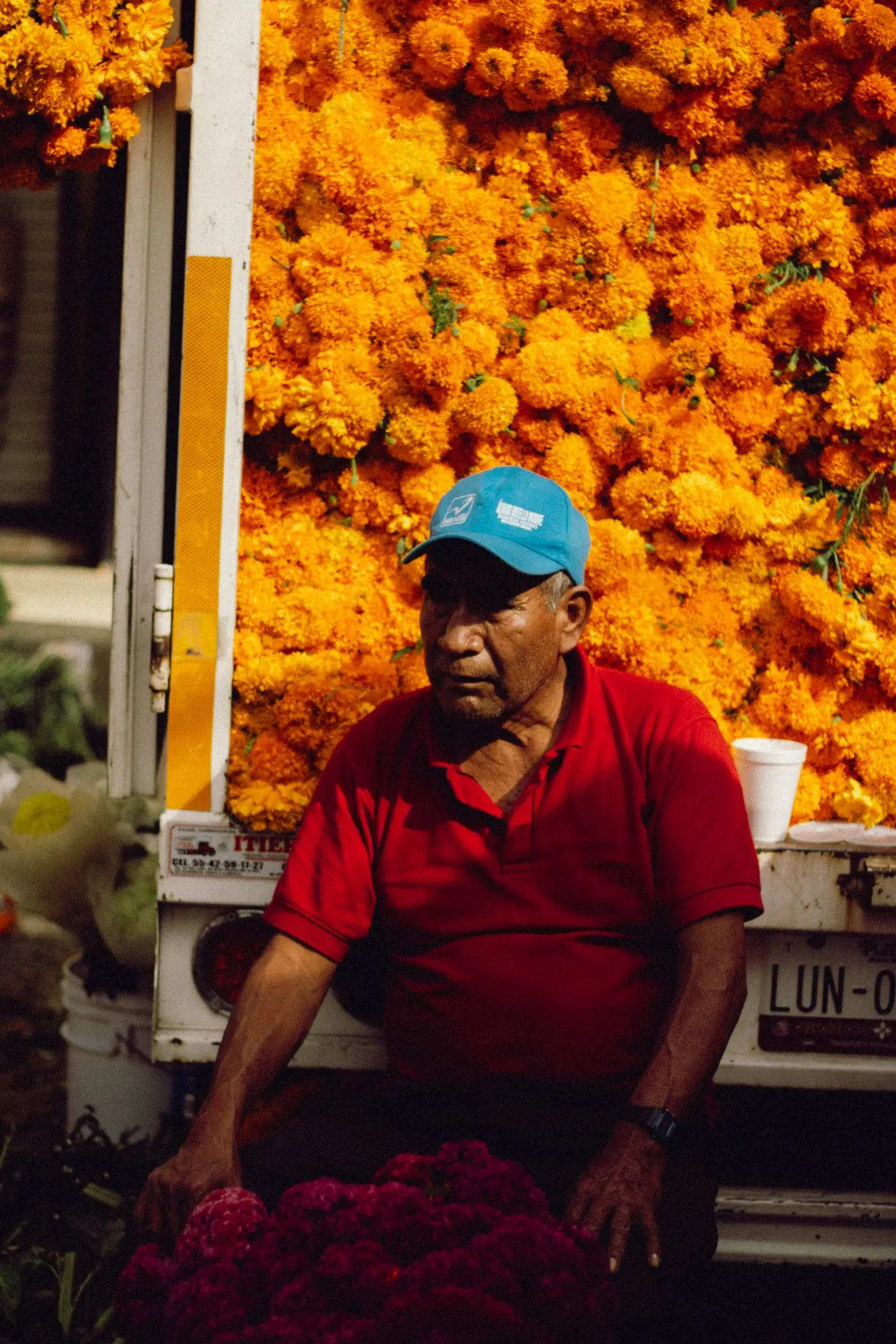
A journey-oriented visual supports the idea of passage better than horror imagery.
## How to mention Mictlán without turning it into fantasy trivia
Mictlán is easy to flatten into "Aztec underworld," then move on like you just collected a lore card. Try not to do that. The word points to a pre-Hispanic worldview where the dead make a journey, and that journey has obstacles, time, and ritual care attached to it. That is very different from simply saying "hell," which brings Christian ideas that do not map cleanly here.
In a conversation, a respectful phrase is he leído un poco sobre el Mictlán, pero no quiero simplificarlo. That sentence is useful because it admits you are learning. If someone wants to explain more, they can. If they do not, you have not cornered them into a lecture.
You may also hear Mictlán mentioned through pop culture: movies, murals, tattoos, video games, parade floats, and [art markets](/blog/what-is-an-alebrije). That does not make every use automatically disrespectful, but it does mean you should notice the difference between public art and sacred explanation. Ask ¿esto está inspirado en el Mictlán? instead of declaring, esto es el Mictlán.
For ConSalsa.App learners, Mictlán is a vocabulary lesson in humility. You can learn the word, pronounce it carefully, and still leave room for Mexican and Indigenous sources to be more authoritative than your quick summary. The practical Spanish is not complicated: viaje, muerte, alma, camino, respeto. The tone is what makes those words land well.
Pronunciation also matters because the word is not originally Spanish. Go slowly with Mictlán, and do not force an English sound onto it. If someone corrects you, gracias, lo pronuncio otra vez is all you need.
Mictlán is useful vocabulary precisely because it asks you to slow down. Learn the word, avoid the lazy "Mexican hell" shortcut, and use questions that leave space for art, history, and belief to be more complicated than your first summary.
A good caption phrase is inspirado en el Mictlán, especially for art. Inspirado en gives you room; it says the image draws from the idea without pretending one mural, costume, or movie scene can explain the whole worldview.
[^src1]: [INAH, viaje al Mictlán](https://www.inah.gob.mx/foto-del-dia/el-culto-a-los-muertos-en-la-epoca-prehispanica-y-el-viaje-al-mictlan)
[^src2]: [Britannica, Mictlantecuhtli](https://www.britannica.com/topic/Mictlantecuhtli)
[^src3]: [Diccionario de la lengua española, inframundo](https://dle.rae.es/inframundo)
[^src4]: [UNESCO, Indigenous festivity dedicated to the dead](https://ich.unesco.org/en/RL/indigenous-festivity-dedicated-to-the-dead-00054)
[^src5]: [INAH, Mexica culture](https://www.inah.gob.mx/)
FAQ:
Q: What is Mictlán?
A: Mictlán is commonly described as the place of the dead in Mexica/Nahua worldview, reached through a difficult journey after death.
Q: Is Mictlán hell?
A: No. Calling it hell imports Christian categories that do not fit cleanly. It is better to say underworld or place of the dead.
Q: Why do people mention nine levels?
A: Many explanations describe the dead passing through nine regions or challenges before reaching Mictlán.
Q: Is Mictlán part of Día de Muertos?
A: It appears in related imagery and explanations, but Día de Muertos also includes Catholic, Indigenous, family, and regional layers.
Q: How do I ask about it respectfully?
A: Say he leído un poco sobre el Mictlán, pero no quiero simplificarlo.
Q: Can I use Mictlán in art captions?
A: Yes, if it is genuinely relevant. Avoid using it as a generic spooky aesthetic.
Q: How do you pronounce Mictlán?
A: Go slowly and keep the accent on the final syllable: Mictlán.
Sources:
- INAH, viaje al Mictlán: https://www.inah.gob.mx/foto-del-dia/el-culto-a-los-muertos-en-la-epoca-prehispanica-y-el-viaje-al-mictlan
- Britannica, Mictlantecuhtli: https://www.britannica.com/topic/Mictlantecuhtli
- Diccionario de la lengua española, inframundo: https://dle.rae.es/inframundo
- UNESCO, Indigenous festivity dedicated to the dead: https://ich.unesco.org/en/RL/indigenous-festivity-dedicated-to-the-dead-00054
- INAH, Mexica culture: https://www.inah.gob.mx/
Related words: neta, mande, padre, chido