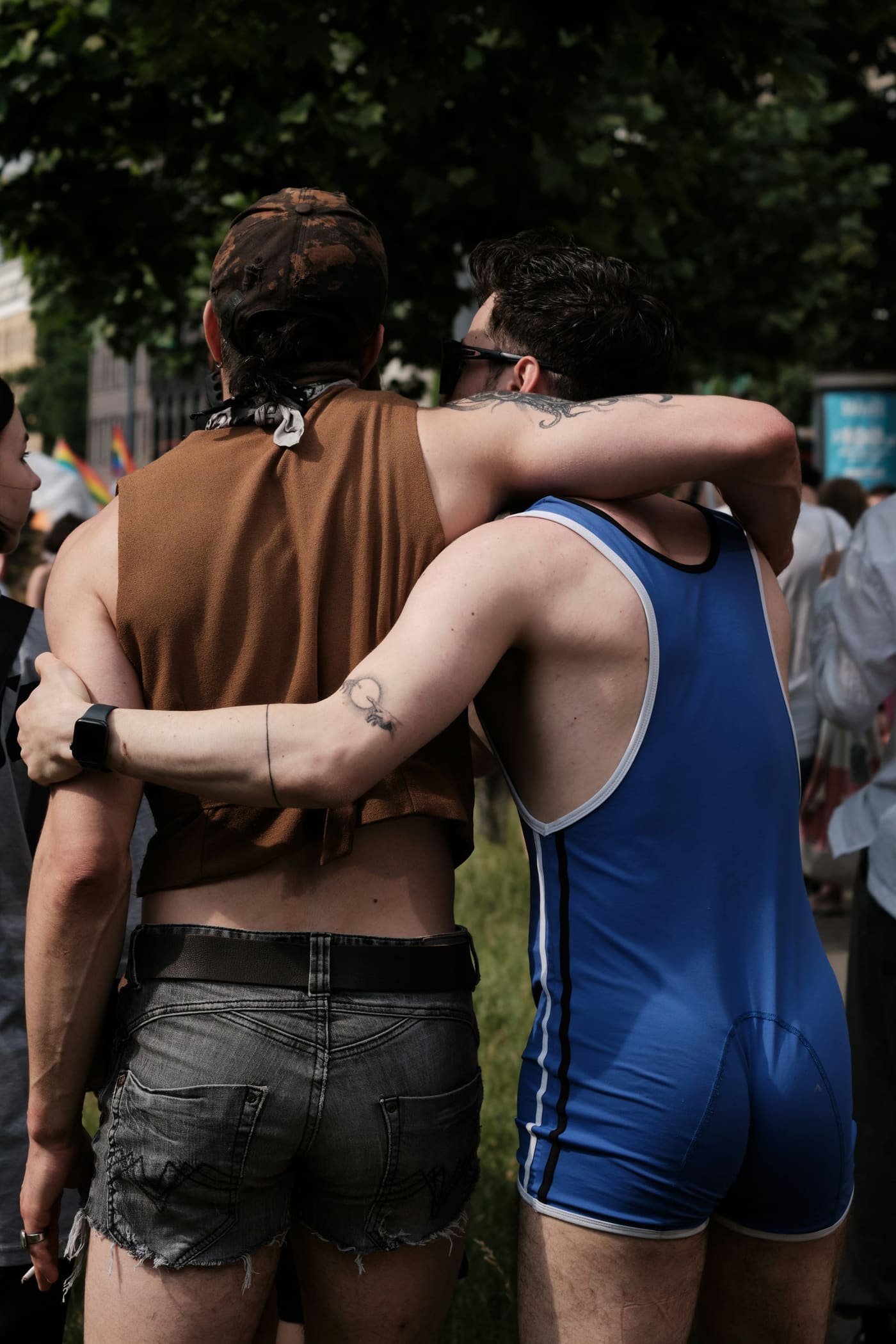
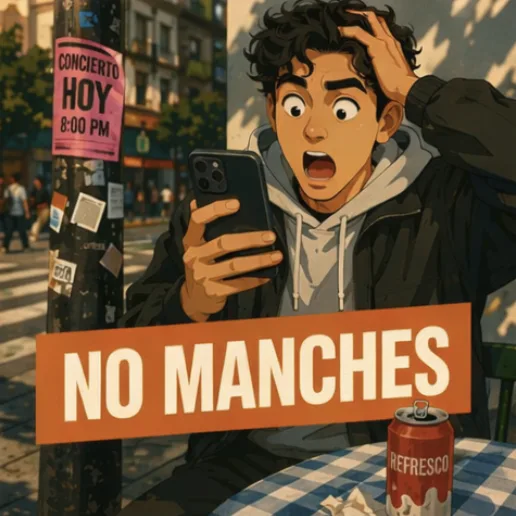
Mexican gay slang is not one clean vocabulary list. It is a living mix of CDMX nightlife words, app shorthand, drag-room jokes, friend-group teasing, reclaimed insults, and very real homophobia.
That is why a word can sound affectionate in one mouth and ugly in another. A friend saying “ay, joto” across a kitchen is not the same as a stranger yelling it from a car. A profile saying “discreto” is not the same as a bar flyer saying “de ambiente.” Context is not decoration here. Context is the whole meal.
This guide is for English speakers, US travelers, expats, and learners who want to understand Mexican gay slang without walking into CDMX sounding like a search engine wearing glitter.
First, what counts as Mexican gay slang?
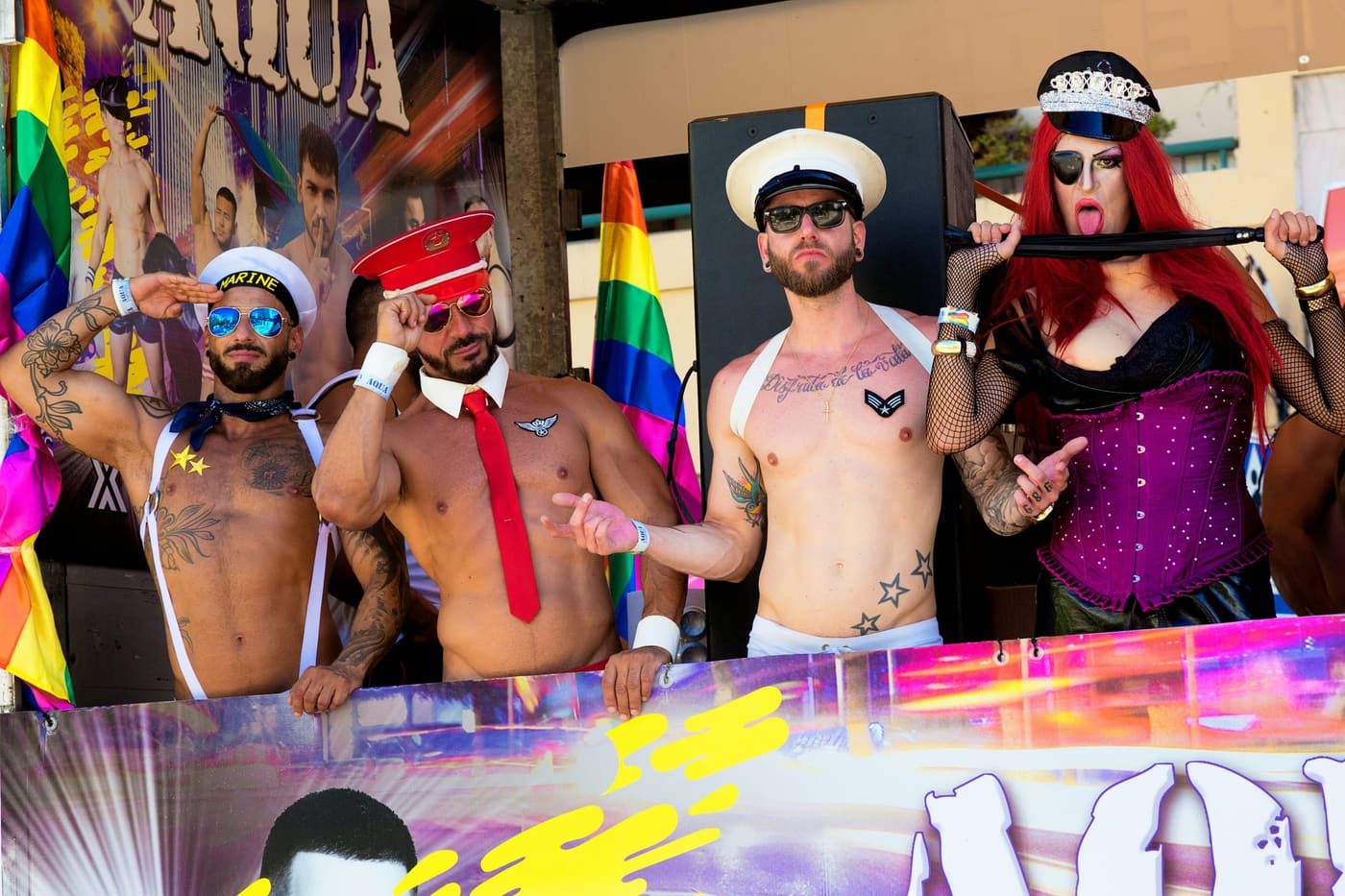
In this article, “Mexican gay slang” means words you may hear or see in Mexican queer spaces, especially around Mexico City: Zona Rosa, Juarez, Roma, Condesa, apps, drag shows, group chats, and nightlife plans.
Some words are used across Latin America. Some feel more Mexican. Some are not specifically gay, but show up constantly in gay contexts because they describe nightlife, flirting, social circles, privacy, or desire.
The goal is not to memorize every label. The goal is to know what a word is doing socially: Is it descriptive? flirty? funny? reclaimed? rude? unsafe for a learner?
The core words you’ll actually see
Start here. These are useful because they help you understand profiles, conversations, party plans, and casual queer Spanish without immediately stepping into slur territory.
| Word or phrase | What it means | Where you’ll see it | Learner safety |
|---|---|---|---|
| ambiente | Gay/queer scene, queer-friendly space | Bars, clubs, nightlife guides | Safe and useful |
| de ambiente | Gay/queer, especially a venue | ”Bar de ambiente” | Safe, slightly old-school/formal |
| antro | Club, nightclub, party spot | Nightlife plans | Safe: antro |
| ligue | Hookup, flirtation, someone you picked up | Apps, friend gossip | Safe, casual |
| oso | Bear | Apps, events, communities | Safe if relevant |
| buga | Straight person | Queer friend groups | Usually fine, informal |
| discreto | Private, low-profile, not publicly open | Apps and DMs | Use respectfully |
| de clóset | Closeted | Personal conversations | Understand; do not label others |
| activo | Top | Apps | Use only in sexual context |
| pasivo | Bottom | Apps | Use only in sexual context |
| versátil | Versatile | Apps | Use only in sexual context |
| ¿qué buscas? | What are you looking for? | Apps | Very useful |
The safest early words are ambiente, antro, ligue, oso, discreto, and ¿qué buscas? They help you read the room without borrowing someone else’s heavier language.
Ambiente: the word that opens the door
Ambiente literally means environment, atmosphere, vibe, or social circle. In queer Spanish, it can point toward LGBTQ+ spaces or people. The RAE also records “de ambiente” for leisure venues frequented by gay people.
In Mexico City, you might hear:
-
¿Ese antro es de ambiente?Is that club gay / queer?
-
Vamos a salir al ambiente.We're going out to the gay scene.
-
Hay mucho ambiente en la Zona.There's a lot going on in Zona Rosa.
This is a good learner word because it is social, not invasive. You are talking about a scene, a venue, or a vibe, not labeling someone’s body or private life.
Tiny note: “ambiente” can also just mean vibe or atmosphere in normal Spanish. If someone says “hay buen ambiente,” they may simply mean the party is lively. Context tells you whether it is queer-coded.
CDMX nightlife words
Nightlife Spanish overlaps heavily with gay slang because so much queer language travels through bars, drag shows, Pride, afters, and the eternal question of whether anyone is actually going to leave Roma before 1 a.m.
| Word or phrase | Meaning | Example | Tone |
|---|---|---|---|
| la Zona | Zona Rosa, especially in queer nightlife context | Ando por la Zona. | CDMX shorthand |
| antro | Club / nightclub | ¿Vamos al antro? | Casual |
| after | Afterparty | Hay after después. | Party slang |
| ambiente | Gay/queer scene | Ese bar es de ambiente. | Useful |
| drag | Drag | Hay show drag hoy. | Common |
| perreo | Reggaeton dancing | Se armó el perreo. | Party slang |
| peda | Drinking party / booze plan | Se puso buena la peda. | Very casual |
| ligue | Hookup / flirt | Tuvo un ligue en el antro. | Casual gossip |
If you already know Mexican words like sale, no manches, güey, carnal, and antro, gay nightlife Spanish will feel less mysterious. A lot of it is not separate grammar. It is regular Mexican casual speech in a queer room.
App slang: direct, private, and sometimes too fast
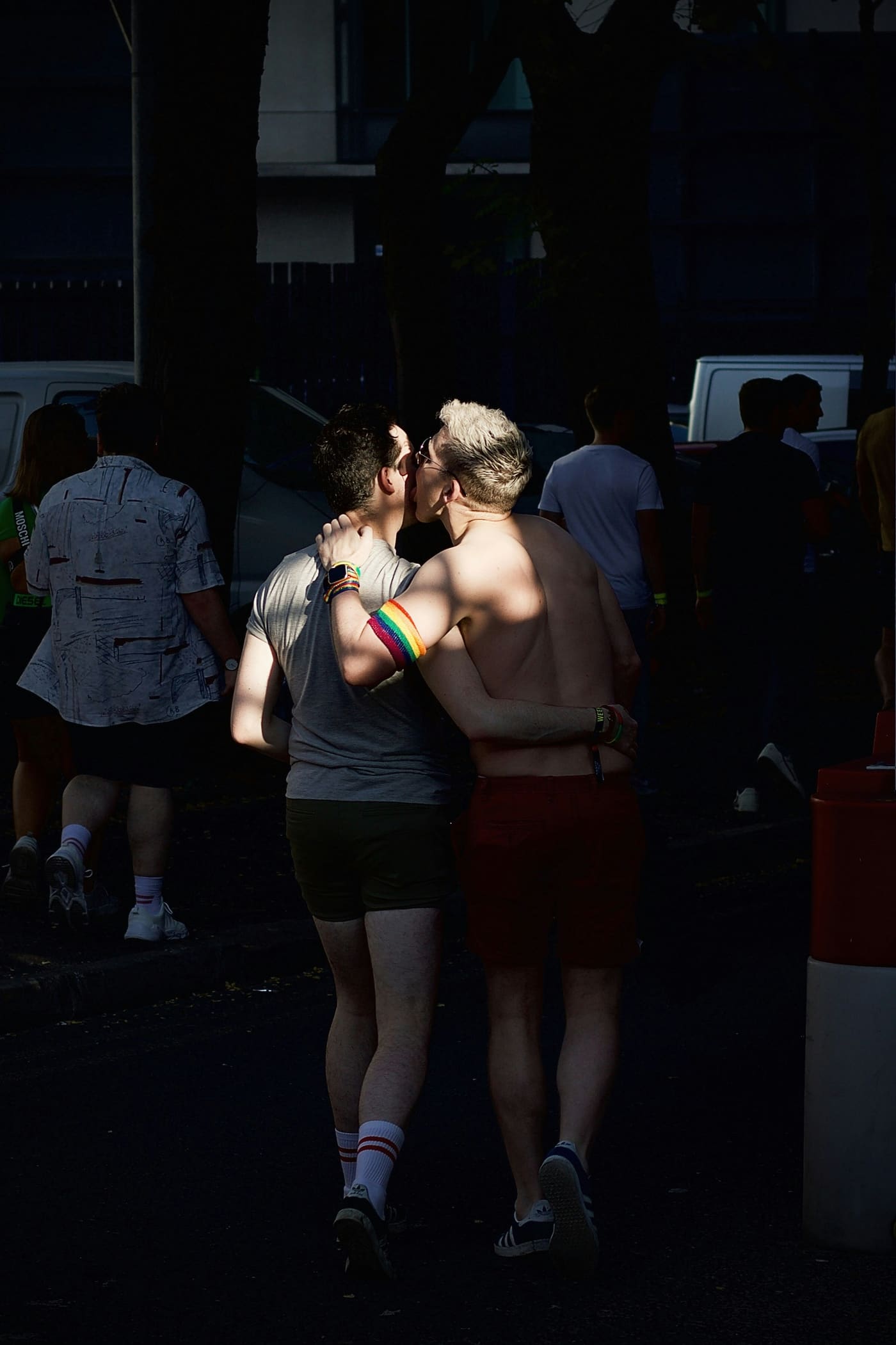
On apps, people compress whole identities into tiny words. Some are practical. Some are clumsy. Some are rude. Some are honest because nobody wants to write a novella in a bio field.
The most common app words are:
| App word | Meaning | What to know |
|---|---|---|
| discreto | Private / low-profile | Respect privacy; do not push for publicness |
| de clóset | Closeted | Personal, sensitive |
| activo | Top | Sexual role label |
| pasivo | Bottom | Sexual role label |
| versátil | Versatile | Sexual role label |
| solo chat | Chat only | Do not rush it |
| algo tranqui | Something chill | Low-pressure |
| ahora / ahorita | Now / soon-ish | Depends on context; ahorita can bend time |
| sin foto no contesto | No photo, no reply | Blunt but common |
| no drogas | No drugs | Boundary |
The main app question is:
-
¿Qué buscas?What are you looking for?
That can mean dates, friends, sex, drinks, chat, attention, or “I am bored near Reforma.” If you want a full app etiquette guide, read Grindr in Mexico City. Here, the key is simpler: answer clearly without copying words you do not own yet.
Try:
-
Estoy viendo qué onda.I'm seeing what's up.
-
Busco algo tranquilo, salir por algo.I'm looking for something chill, going out for a drink or bite.
-
Prefiero platicar tantito primero.I prefer to chat a little first.
Words for people and types
This is where learners should slow down. Labels can be useful when people use them for themselves. They can also get ugly when used from the outside.
| Word | Usually means | Tone note | Learner move |
|---|---|---|---|
| oso | Bear | Community label; often friendly | Fine if relevant |
| buga | Straight person | Informal queer speech | Fine with friends |
| loca | Literally “crazy woman”; camp/feminine gay address in some groups | Can be affectionate or insulting | Mirror only close friends |
| reina | Queen / diva / affectionate address | Playful | Fine if the vibe fits |
| hermana / mana | Sister / sis | Warm, campy, friend-group speech | Fine with trusted friends |
| vestida | A drag performer / person dressed in feminine presentation, depending on context | Can sound dated or disrespectful if misused | Use “drag” or specific terms first |
| chacal | Hypermasculine / rough-trade type in some gay slang | Class-coded and sexualized | Understand; avoid labeling |
| mayate | Loaded term around masculinity and sexual role | Sexualized, racialized/classed in many contexts | Understand; do not use casually |
The rule is boring and excellent: let people name themselves first. If someone says “soy oso,” fine. If you decide someone is “chacal” because of how they look, you have wandered out of language learning and into projection with Wi-Fi.

Slurs, reclaimed words, and why learners should pause
Some Mexican gay slang sits right on the border between community language and harm. The exact same word can be a joke among close queer friends, a reclaimed identity, a class insult, a homophobic attack, or a sentence you should never have said.
Here is the safety map:
| Word | Basic meaning | Risk | What learners should do |
|---|---|---|---|
| joto | Gay man; also coward in insulting use | High | Understand, do not casually use |
| puto | Homophobic slur / coward insult in many contexts | Very high | Do not use |
| tortillera | Lesbian, usually insulting or crude | High | Avoid |
| maricón / marica | Slur in many contexts; reclaimed in some communities | High | Understand, do not copy casually |
| mayate | Loaded term around active gay male sexuality | High | Avoid unless you deeply understand context |
| loca | Campy address or insult depending on speaker | Medium | Mirror only trusted friends |
| vestida | Can refer to drag/feminine presentation; can sound disrespectful | Medium | Prefer specific respectful wording |
The Diccionario del español de México marks words like joto and puto as popular/grosero or grosero, and records mayate with a sexual meaning in popular speech. That matters because these words are not neutral vocabulary cards.
Also, Mexico has a very visible public conversation around homophobic language. The Associated Press has reported on sanctions and controversy tied to the homophobic soccer chant in Mexican stadiums. A word being common does not make it safe, kind, or yours.
If a Mexican queer friend uses a word for themselves, that is their relationship to the word. If you are a foreigner using it after reading one article, that is not the same relationship.
Safe phrases you can actually use
You do not need risky slang to sound natural. The best beginner queer Spanish is warm, clear, and not trying too hard.
| Situation | Say this | Meaning |
|---|---|---|
| Asking about a bar | ¿Ese lugar es de ambiente? | Is that place gay/queer? |
| Making nightlife plans | ¿Vamos al antro o qué? | Are we going to the club or what? |
| Asking what someone wants | ¿Qué buscas por aquí? | What are you looking for here? |
| Keeping it slow | Prefiero algo tranquilo. | I prefer something chill. |
| Saying no | Gracias, pero paso. | Thanks, but I’ll pass. |
| Complimenting the vibe | Qué buena vibra. | Nice vibe. |
| Talking about a crush | Tengo un ligue. | I have a flirt/hookup/someone I’m talking to. |
| Leaving warmly | Sale, cuídate. | Okay, take care. |
These phrases are useful because they do not require you to perform an identity. They just help you participate.
-
¿Ese antro es de ambiente o es más mixto?Is that club gay/queer or more mixed?
-
Qué buena vibra, me cayó muy bien tu amigo.Good vibe, I really liked your friend.
-
La neta prefiero conocer gente tranqui.Honestly, I prefer meeting chill people.
How CDMX changes the slang
Mexico City gives queer slang a specific texture because it has several queer worlds layered on top of each other.
Zona Rosa has long been a visible LGBTQ+ nightlife area. Roma, Condesa, Juarez, Centro, and other neighborhoods have their own scenes, price points, languages, and levels of tourist traffic. Apps add another layer, where English, Spanish, Spanglish, emojis, body labels, and privacy words all collide.
That is why there is no single “gay Mexican Spanish”. The Spanish at a drag show is not the Spanish in a discreet app profile. The Spanish between old friends is not the Spanish you should use with a stranger. The Spanish in CDMX is not automatically the Spanish of Guadalajara, Tijuana, Oaxaca, or Merida.
If you learn one habit, make it this: listen for who is speaking, who is listening, and whether the word is being used as love, shade, desire, or harm.
Understand first. Use later.
Mexican gay slang can be funny, gorgeous, sharp, protective, mean, tender, and deeply local. That is the good stuff. It carries history.
So start with the useful words: ambiente, antro, ligue, oso, buga, discreto, ¿qué buscas? Add regular Mexican conversational glue like sale, qué onda, no manches, and güey when the relationship allows it.
Save the heavier words for understanding. Do not turn someone else’s reclaimed insult into your beginner vocabulary. Do not label strangers. Do not confuse desire with anthropology.
The win is not sounding like the loudest person in the room. The win is knowing what the room is saying before you join in.