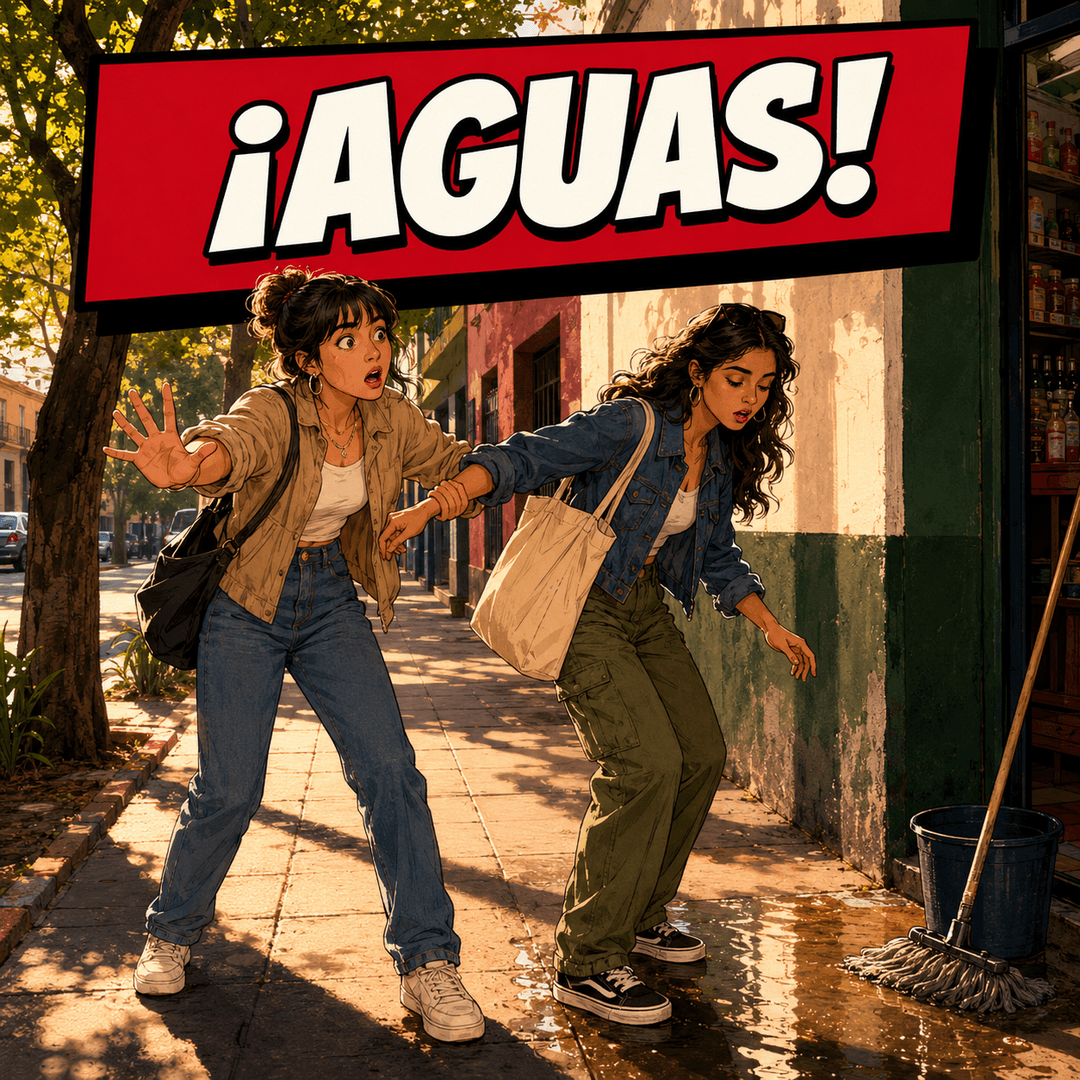
The best way to ask for help in Mexico is not to sound impressive. It is to sound like a person. Disculpa, ¿me ayudas?, ¿me orientas?, and de casualidad will carry you through more real situations than a perfect subjunctive ever will.
The secret is warmth plus one clear ask.
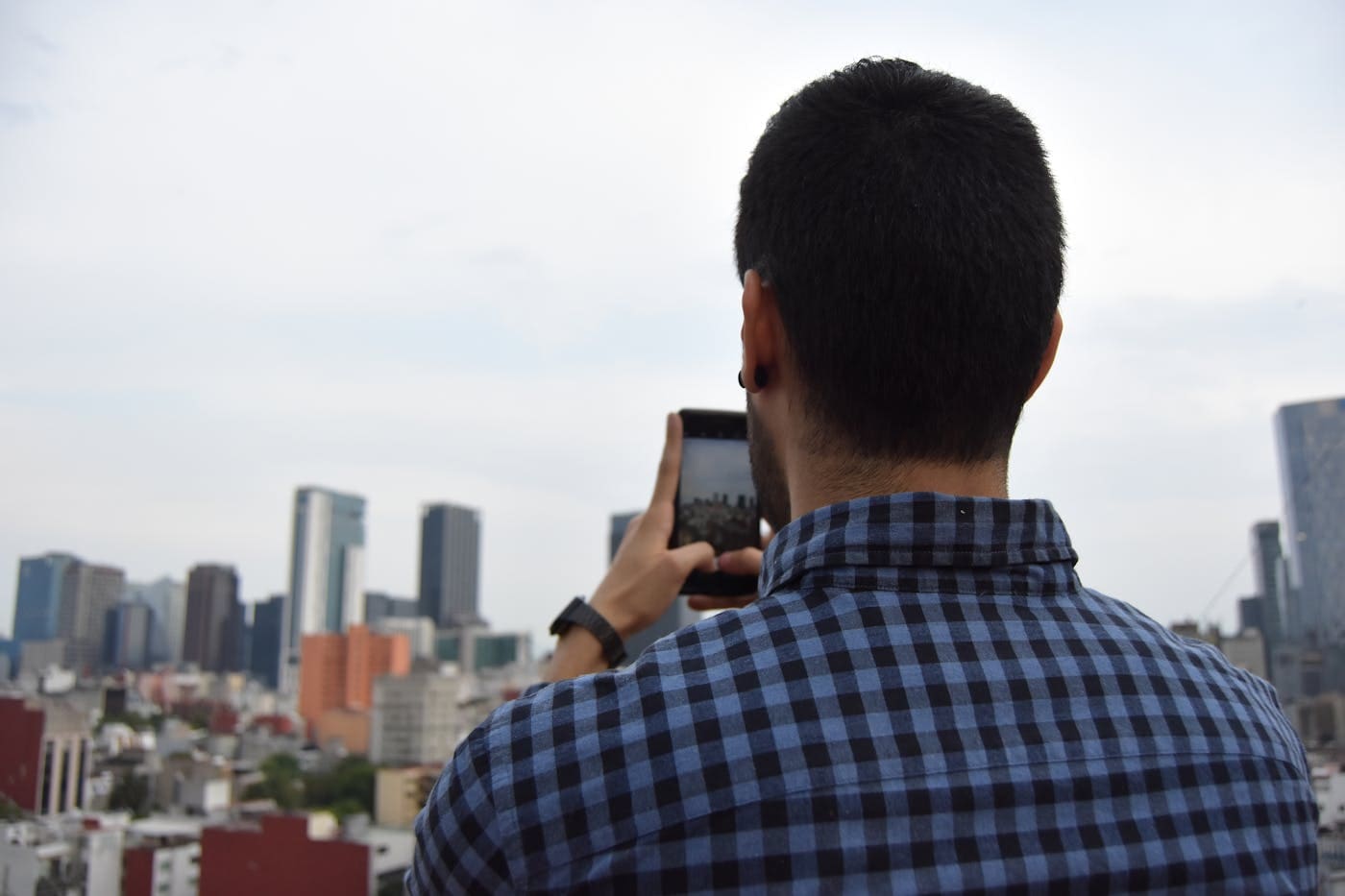
The stranger-help phrase map
Use this when you need help from a person you do not know.
| Situation | Say this | Feeling |
|---|---|---|
| General help | Disculpa, ¿me ayudas? | Warm and direct |
| Directions | Disculpa, ¿me orientas? | Very useful |
| Not sure they know | De casualidad, ¿sabes…? | Soft |
| Need a place | ¿Sabes dónde está…? | Clear |
| Need the way | ¿Por dónde queda…? | Local-feeling |
| Need repetition | Perdón, ¿me repites? | Safe recovery |
Ayudar means to help,1 and orientar means to orient or guide.2 In daily Mexican Spanish, ¿me orientas? feels especially useful when you are near the right place but not the right door.
Start warm, then get specific
Do not start with a full biography.
Start like this:
-
Disculpa, ¿me orientas? Busco la entrada.Excuse me, can you point me in the right direction? I am looking for the entrance.
-
Oye, disculpa, ¿sabes dónde está la farmacia?Hey, excuse me, do you know where the pharmacy is?
-
De casualidad, ¿sabes si todavía está abierto?By any chance, do you know if it is still open?
The word disculpa gives you a soft entry.3 You are interrupting someone’s flow, so you cushion the interruption.
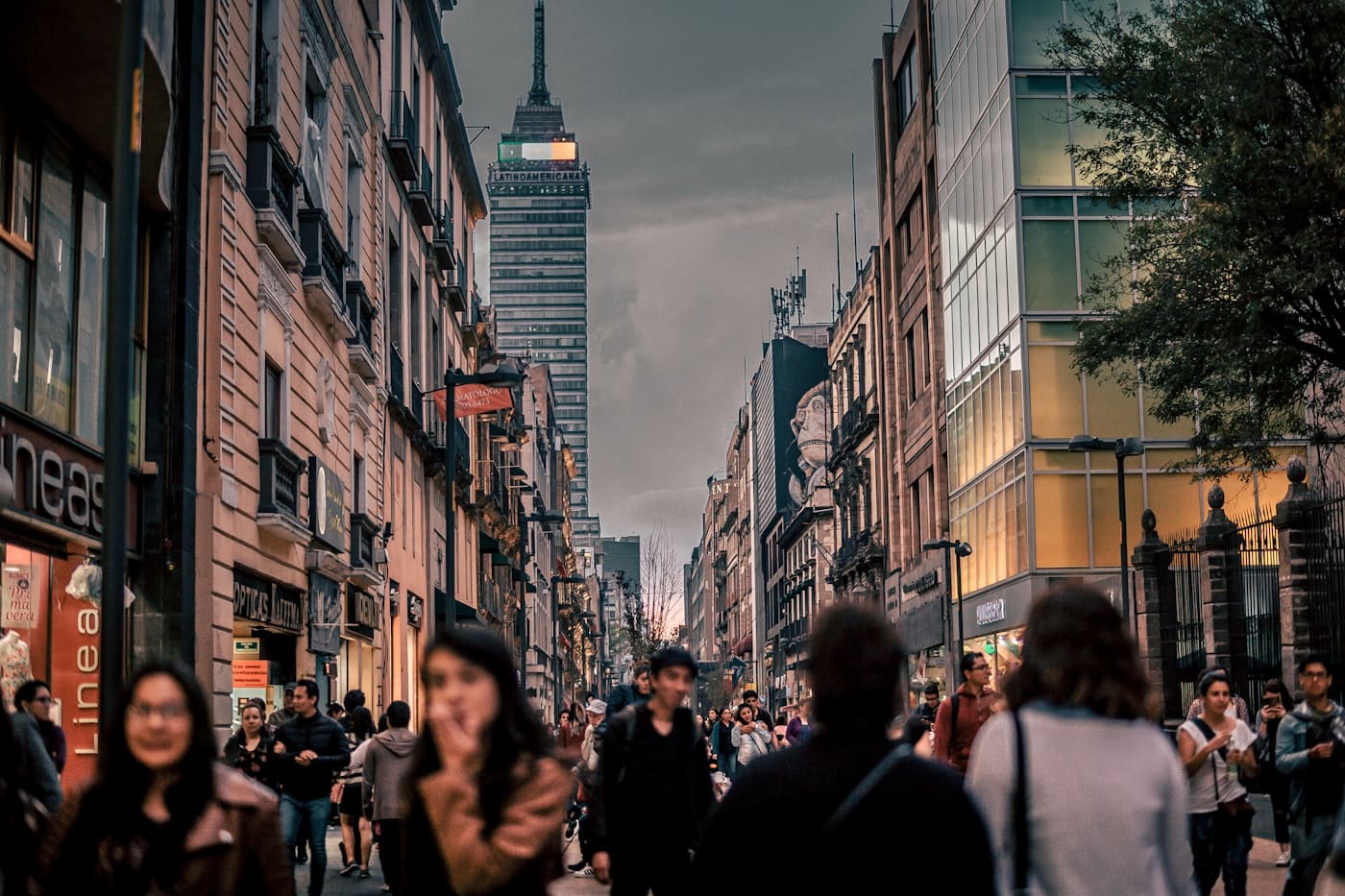
De casualidad is social cushioning
Casualidad means chance or coincidence.4 De casualidad turns a question into “by any chance.”
It helps when you are not sure the person can answer:
| Direct | Softer |
|---|---|
| ¿Sabes dónde está? | De casualidad, ¿sabes dónde está? |
| ¿Tienes cambio? | De casualidad, ¿tienes cambio? |
| ¿Está abierto? | De casualidad, ¿sabes si está abierto? |
| ¿Va para allá? | De casualidad, ¿va para allá? |
This is not weakness. It is social engineering with manners. You are giving the other person an easy exit if they do not know.
What to ask in real situations
The best questions are small and local.
-
¿Por dónde queda la salida?Which way is the exit?
-
¿Aquí es para recoger paquetes?Is this where you pick up packages?
-
¿Tengo que formarme aquí?Do I need to line up here?
-
¿Sabe si hay otra entrada?Do you know if there is another entrance?
Use perdón when you interrupt, bump someone, or need repetition.5 Use disculpa to open the request. They overlap, and nobody will arrest you for choosing one. But the rhythm helps.
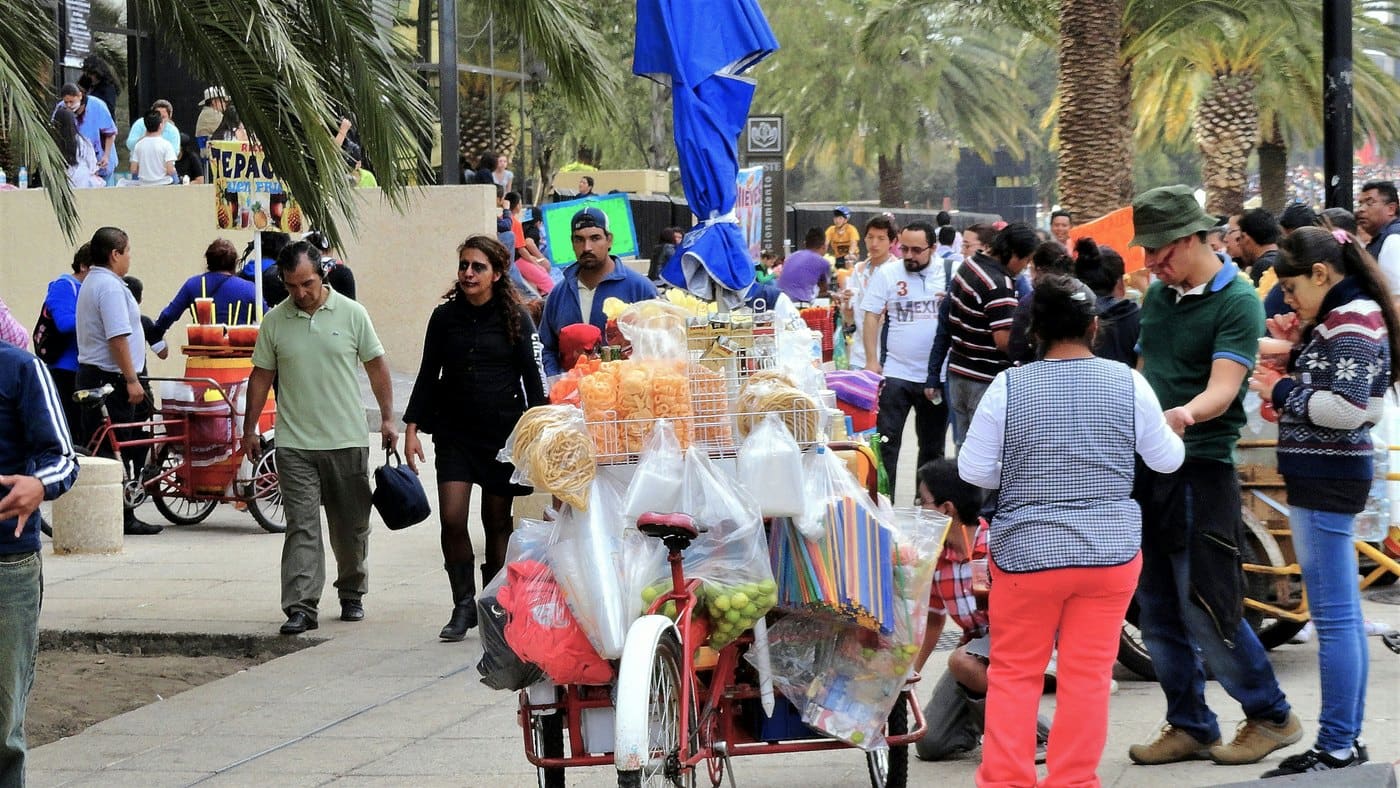
Tone rules for learners
With strangers, avoid forced slang. You do not need güey, no manches, or a giant friendly performance.
Use this pattern:
- opener
- one clear ask
- thanks
Like:
-
Disculpa, ¿me orientas? Busco la ventanilla tres. Gracias.Excuse me, can you point me in the right direction? I am looking for window three. Thanks.
That sentence is not flashy. It is better than flashy. It gets you helped.
For English-speaking visitors, local travel guidance says basic Spanish goes a long way in CDMX and can make everyday help easier to ask for.6
Sources
-
Diccionario de la lengua española, ayudar — Real Academia Española ↩
-
Diccionario de la lengua española, orientar — Real Academia Española ↩
-
Diccionario de la lengua española, disculpa — Real Academia Española ↩
-
Diccionario de la lengua española, casualidad — Real Academia Española ↩
-
Diccionario de la lengua española, perdón — Real Academia Española ↩
-
She Roams About, Do people speak English in Mexico City? — She Roams About ↩
Test yourself
tap an answer.
You are lost outside an office building. What is a good opener?
What does de casualidad do?
Which sentence asks for one useful next step?