The Karaoke
Original videos that teach real Mexican Spanish through music — slang, phrases, and vocab you'll actually use, set to reggaeton, cumbia, and whatever comes next. Watch, sing along, then go use it.
All videos
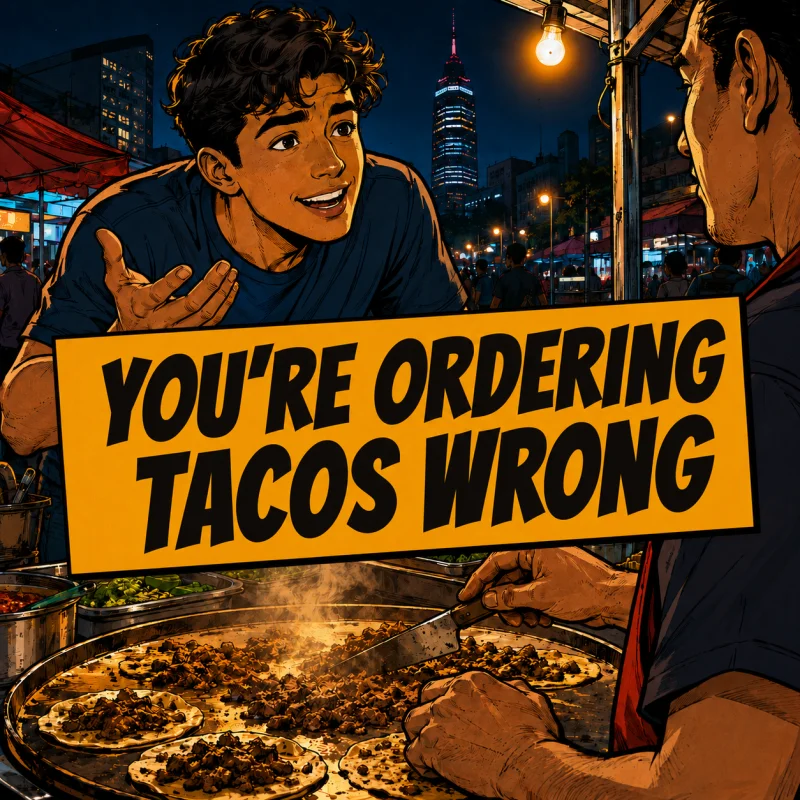 Reggaeton
 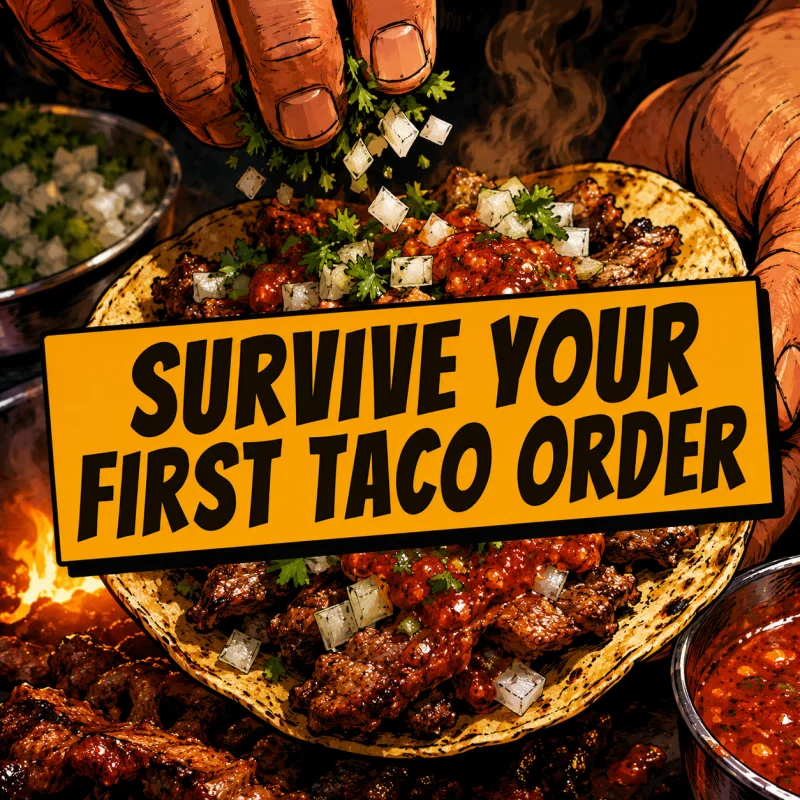 Reggaeton
 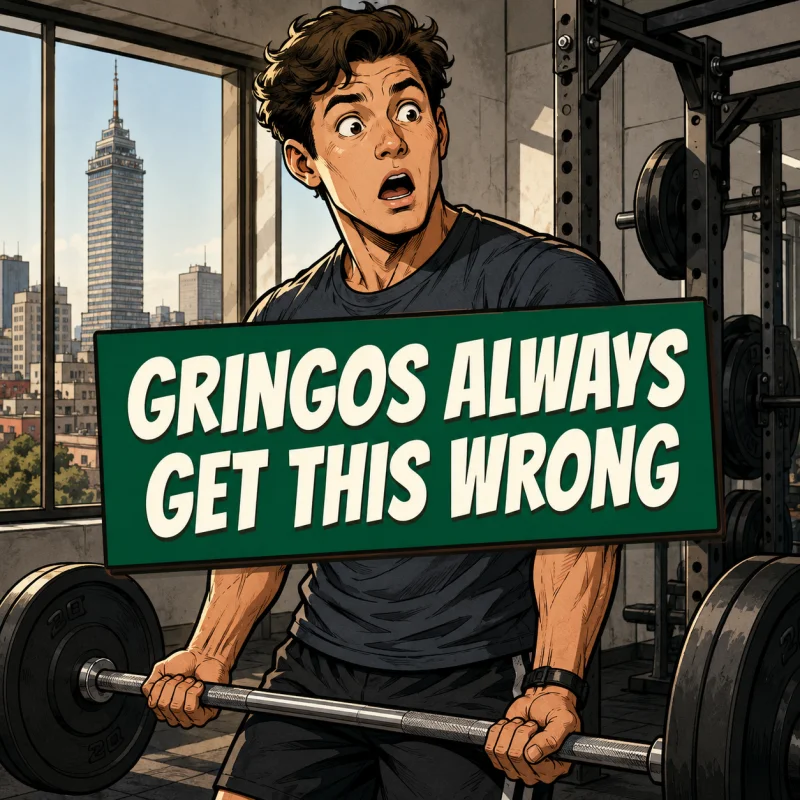 Reggaeton
 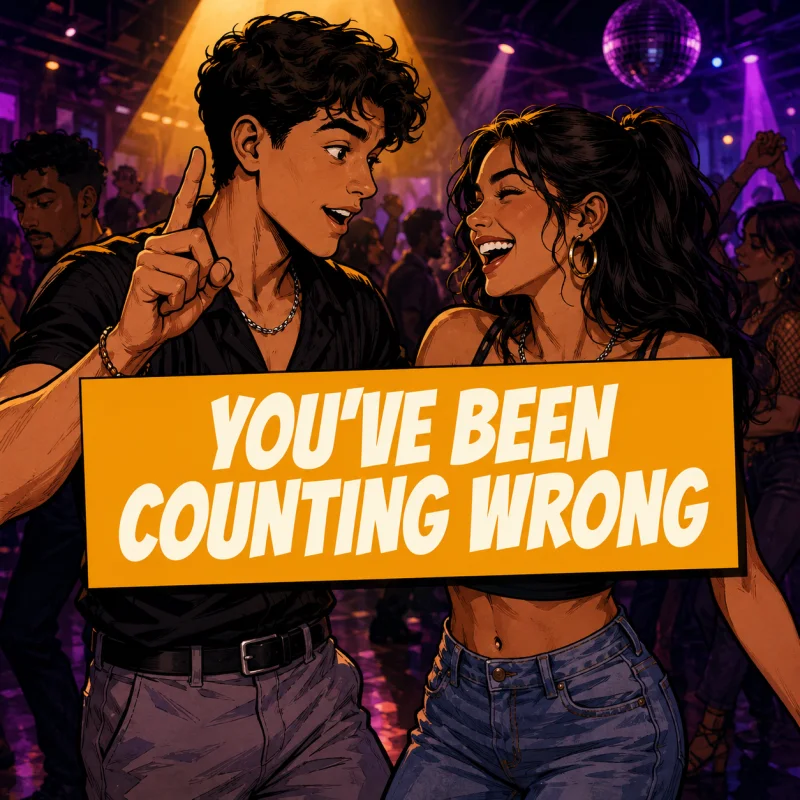 Reggaeton
 Why songs, of all things
Because a chorus survives in your head and a flashcard doesn't. You can almost certainly still sing something you heard twice in 2009, and almost certainly can't recall a single word you revised for an exam that same year. Nobody has ever fully explained why. But it's reliable enough to build on, so here we are.
These are original tracks, not covers. Each one is built around one situation — the taco stand, an errand you'd been putting off — so the phrases repeat enough to stick and arrive in the order the actual conversation goes in. You come out the other end with a script rather than a word list, which is the difference between knowing the words and being able to use them while somebody waits.
Every line is on screen in both languages, and each song has a page underneath breaking the phrases down with notes on tone. If you'd rather have the same vocabulary without a beat under it, the situations pages cover the same scenes and the word pages go deeper on the individual terms.
Learning Spanish through music — common questions
Can you actually learn Spanish from songs?
Yes, for vocabulary and pronunciation especially. Melody gives a phrase a hook that repetition alone doesn't, which is why you can still sing something you heard twice in 2009 and can't recall a word you revised last week. What songs won't teach you is grammar or how to build your own sentences — for that you need something more structured alongside.
Are these real Mexican songs or original ones?
Original, written and produced for ConSalsa.App. Each track is built around one situation — ordering at a taco stand, getting through an errand — so the vocabulary is chosen deliberately and repeats often enough to lodge. It also means no copyright headaches and no verses of filler to sit through.
Do I need to speak Spanish to follow along?
No. Every line is on screen in Spanish and English at once, and each song has a page underneath breaking the phrases down with notes on when to use them. You can sing along from the first listen and let the meaning catch up.
What music genres do the songs use?
Reggaeton and cumbia, mostly. Both have the steady rhythm that makes a phrase easy to lock onto, and both are genuinely what's playing around you in Mexico. Genre matters less than repetition though — the chorus is where the actual learning happens.
How is this better than a flashcard app?
It isn't better, it's aimed at a different problem. Flashcards are efficient for recognising a word. Songs are better for producing one, because they train your mouth and your timing together. A phrase you've sung twenty times arrives on its own at the taco stand; a phrase you've tapped twenty times tends to stay where you left it.
Which song should I start with?
The taco stand track. Ordering food is the interaction you'll repeat most in Mexico, the phrases are short, and the song walks the whole scene from joining the queue to paying — so you come out with a script rather than scattered vocabulary.
Do I really have to sing along?
It helps considerably more than listening does. Saying the words out loud builds muscle memory for sounds English doesn't use, and that's the difference between recognising a phrase and producing one while a taquero waits. Nobody can hear you.
Where can I watch these?
Every song has a page here with the video, the phrase breakdown, and the vocabulary notes. They're also on the ConSalsa.App YouTube channel if you'd rather queue a few up or listen while you're walking somewhere.
Is the Spanish in these songs formal or casual?
Casual, and specifically chilango — everyday Mexico City speech. That's deliberate: these are the phrases for a taquero or a friend, not for a business email. Anything that would sound out of place in a formal setting is flagged on the song's page.
How long is each song?
Between about ninety seconds and three minutes. The short versions drill a handful of phrases hard; the longer ones walk a whole scene with more room between repeats. Same vocabulary either way, so pick by how much time you've got.
Are new songs coming?
Yes, though slower than the daily words — each one needs writing, producing, and a video, which is a different order of work. Situations that keep coming up get made first, so the queue mostly follows whatever people keep asking about.